
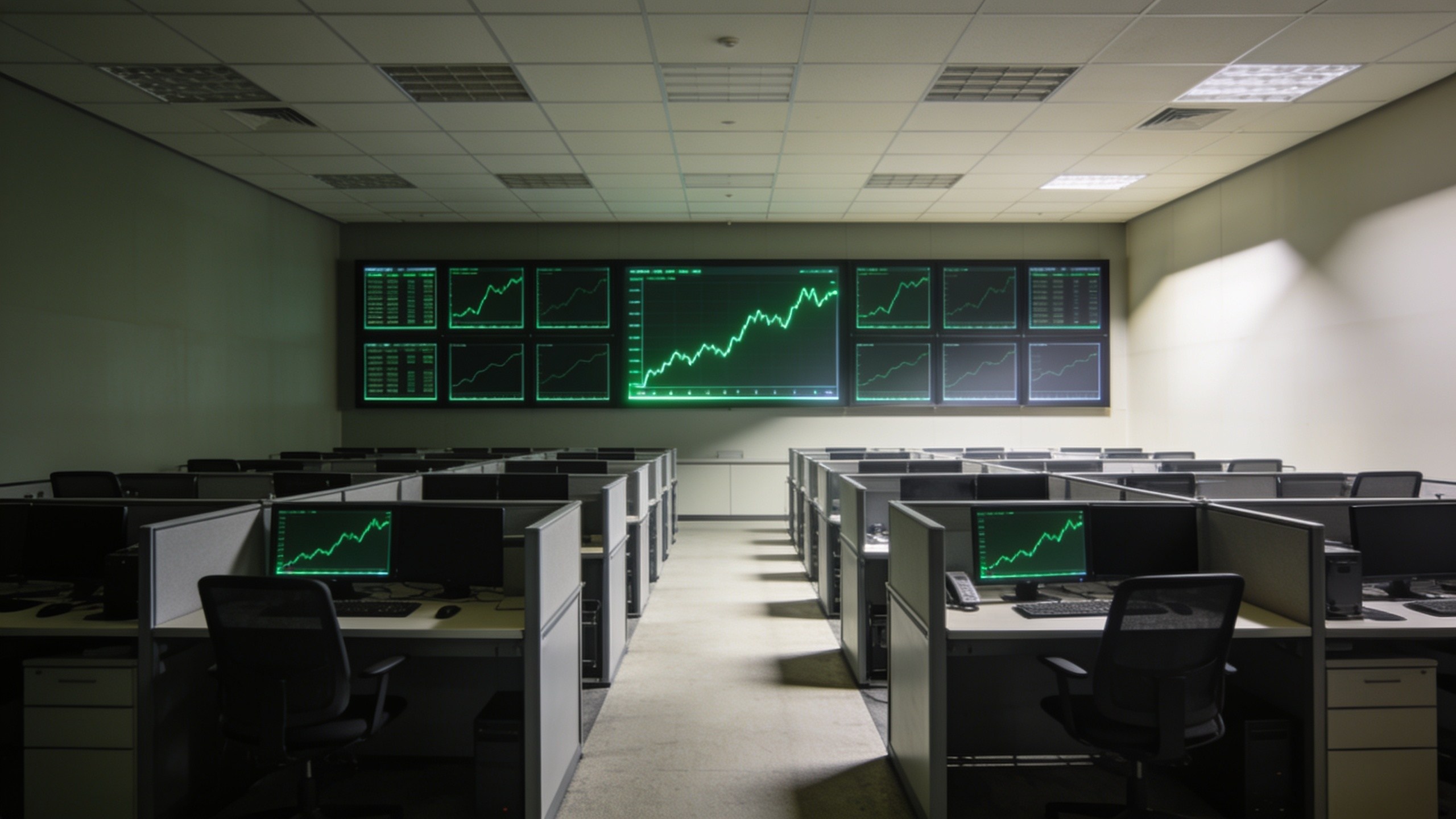
Asia-Pacific stock markets follow the overnight rally in US tech stocks, with South Korea's KOSPI up 5% at the open, SK Hynix surging more than 7%, and Nikkei 225 rising over 2%.

This round of rebound occurred after the market experienced severe turbulence. Last week, concerns over the potential for stricter regulation of the artificial intelligence industry, due to the US Congressional election results, triggered a large-scale sell-off in chip stocks. Several market participants believe that this rebound indicates investors have not abandoned the AI trading narrative, and last week’s sell-off was more about position adjustments rather than a trend reversal.
Asia-Pacific stock markets climbed on Tuesday, with Japan and South Korea—home to concentrated AI hardware supply chains—leading the gains. South Korea’s KOSPI surged 5% at the open. The Korea Exchange activated the SIDECAR mechanism, suspending programmatic buy orders on the KOSPI. The Nikkei 225 rose by 2.4%, benefiting from a strong rebound in US chip stocks. These three markets bring together the main hardware suppliers for global AI infrastructure and are highly sensitive to movements in the US technology sector.


Chip giants Samsung Electronics and SK Hynix led the gains. As of press time, Samsung Electronics and SK Hynix were up 5.32% and 7.66%, respectively.

US stocks rebounded sharply on Monday, as tech stocks rallied strongly and oil prices plunged. This combination pushed the S&P 500 to its largest single-day gain in seven months. The S&P 500 rose 2.3% on Monday, while the Nasdaq 100 jumped 3.4%. The chip index soared nearly 7% in one day. Meanwhile, Brent crude dropped almost 6%, closing below $93 a barrel. Lower energy prices are helping to ease inflation concerns. Despite Nvidia falling 4.3% due to an investigation involving CEO Jensen Huang, the tech sector as a whole ended much higher.
This rebound comes after a period of severe market turbulence. Last week, concerns that the US Congressional election results could lead to tighter AI industry regulation triggered a massive chip sell-off. Many market observers believe this rebound shows investors have not abandoned the AI trading theme, and last week's sell-off was more of a portfolio adjustment than a reversal of the broader trend.
Currently, the market is awaiting Tuesday’s release of US October consumer price data. Forecasts suggest the increase will be lower than in September. If confirmed, this would further support market sentiment.
At the corporate level, Anthropic could kick off its highly-anticipated IPO roadshow as early as Tuesday, outlining to investors the rationale behind the timing of its listing. Alphabet, Google’s parent company, is launching a broader range of AI chips, accelerating its efforts to challenge Nvidia in this multi-hundred-billion-dollar market.
Oil Price Declines and Easing Geopolitical Tensions Support Sentiment
Brent crude plummeted by nearly 6% on Monday, falling below $93 a barrel. After a meeting with Qatari Prime Minister Mohammed bin Abdulrahman Al Thani, Trump stated that the Iran war situation is moving towards resolution. Expectations of easing Middle East tensions pushed oil prices further down.
Lower energy costs help suppress inflationary pressures. Measured by US inflation-protected securities’ breakeven rates, this month’s market expectations for future inflation have declined in tandem with oil prices. Nonetheless, US Treasury yields edged up slightly on Monday, as surging stocks reduced the safe-haven appeal of bonds. The Bloomberg Dollar Spot Index fell for the first time in three trading days on Monday, dropping 0.5%.
No Structural Reversal in the AI Investment Cycle
Several market participants commented on the rebound, with a general consensus that fundamentals remain supportive.
Brock Weimer of Edward Jones said:
“We continue to believe the economic environment supports company fundamentals, and therefore recommend investors maintain equity overweight positions relative to fixed income.”
Ulrike Hoffmann-Burchardi from the Chief Investment Office at UBS pointed out that the recent tech sell-off was a portfolio rebalancing, not the start of a structural decline in the AI investment cycle. However, the rebound has not eliminated risks arising from concentrated positions and high market expectations.
Chris Larkin of Morgan Stanley E*Trade believes last week’s volatility mainly reflected adjustments within AI-related holdings, rather than wholesale investor exits. “There is good reason to believe the market’s long-term rally remains intact, especially considering that overall economic data remained strong during last week’s sell-off,” he added.
Disclaimer: The content of this article solely reflects the author's opinion and does not represent the platform in any capacity. This article is not intended to serve as a reference for making investment decisions.
You may also like
Layer 33 calls for a pause on removing validators under the new Solana Foundation regulations
HIVE’s Bitcoin output jumps 49%, but mining revenue still falls
Barrick’s Marquee gold project faces hazy study timing
Japanese and South Korean stock markets open
Crypto prices
More


