
From Concept to Delivery: Compute Orders Land + Earnings Verification — How to Quickly Select Core AI Sector Targets
 2026/11/09 05:08
2-Minute Framework for Selecting AI Sector Targets
Start with the core layer (priority), then supporting layers, and finally the application layer. Prioritize companies with real orders and earnings that have already been delivered or are about to be delivered.
- Core Layer (AI Chips): Most direct demand, clearest order landing, highest certainty.
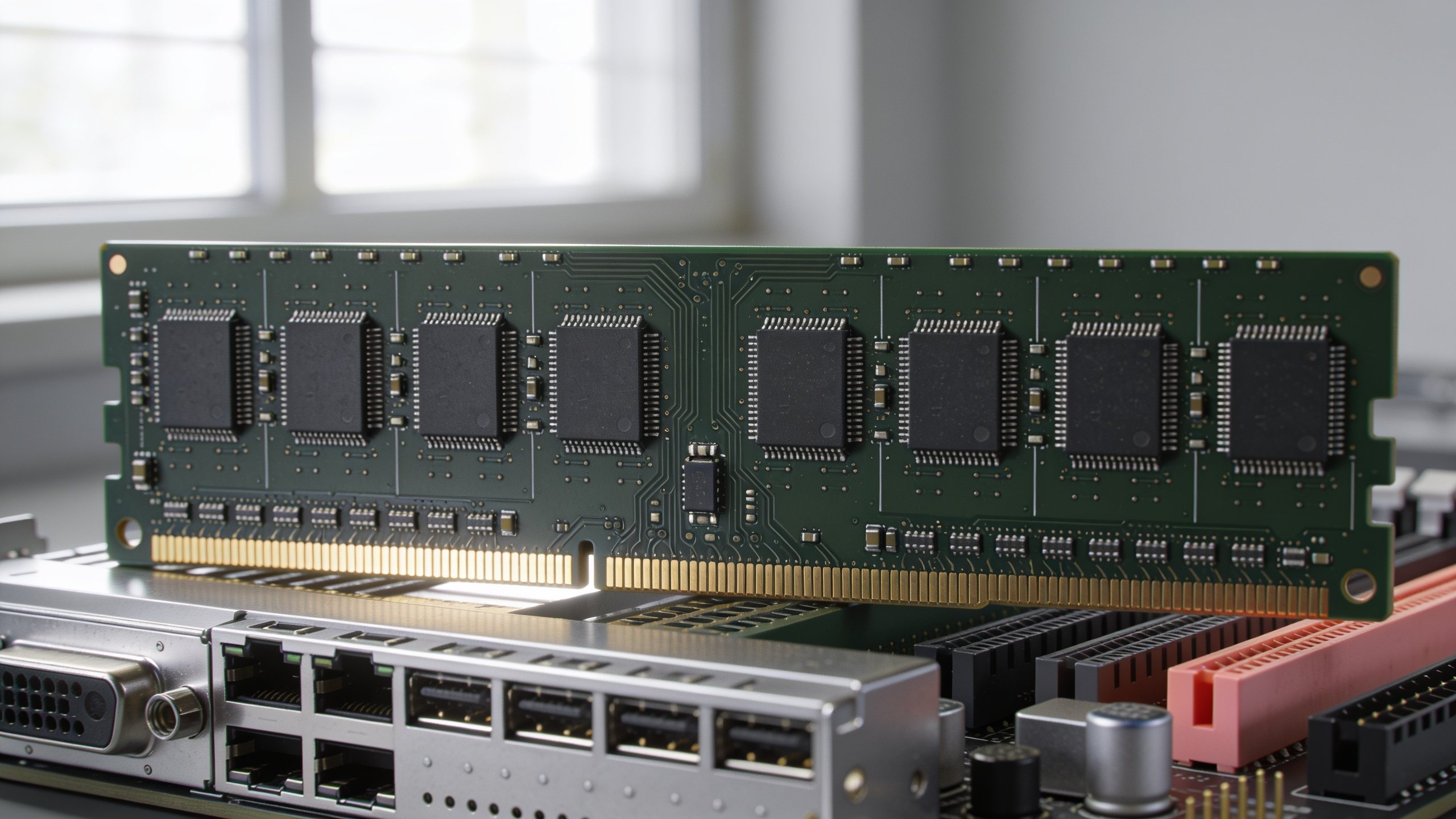
- Supporting Layer (Memory, Foundry): Follows compute expansion, clear elasticity.
- Application Layer (Cloud & Software): Higher elasticity, but more CAPEX return and valuation pressure.
| Core | AI Chips | NVDA, AMD, AVGO | Orders landing, strong data center revenue growth, highest certainty |
| Supporting | Memory / Foundry | MU, TSM | Follows AI server expansion, clear elasticity |
| Satellite | Cloud & Apps | MSFT, GOOGL, AMZN, PLTR etc. | Large investment, but short-term cash flow and valuation need watching |
Usage tip: Keep core positions in AI chips. Allocate satellite positions according to your risk tolerance. Focus on the upcoming NVDA earnings (November 17) and subsequent capital expenditure guidance.
1. Sector Status: Earnings Verification and Divergence After Peak Capex — Capital Refocuses on “Real Demand Delivery”
In 2026, the U.S. AI sector has moved from pure concept-driven trading toward an earnings verification phase after the valuation contraction and pullback following the midterm elections. Internal divergence is clear: upstream compute (chips and memory) is seeing strong order conversion, while some downstream cloud providers and application-layer companies face tests on CAPEX returns and free cash flow.
Three main drivers:
- Compute demand becoming real: Hyperscaler capital expenditure remains elevated, with orders converting from intent to scaled delivery. NVIDIA’s data center revenue continues to grow strongly, while AMD’s data center revenue nearly doubled year-over-year, confirming that demand is not just on paper.
- Improving earnings quality: AI-related revenue mix is rising at leading companies, with margins holding at high levels. The recent pullback was driven more by valuation compression, while consensus earnings expectations continued to be revised upward rather than downward.
- Supply diversification and technology iteration: Custom chips (AVGO and others) and alternatives such as AMD are ramping faster. Supply constraints are easing gradually, but overall demand remains strong.
Potential challenges: Still-elevated and highly sensitive valuations, power and data center permitting bottlenecks, post-election regulatory concerns that could slow the buildout pace, longer CAPEX payback periods, and share shifts from intensifying competition.
Core view: The AI sector is shifting from a “concept trade” to a “earnings quality + demand sustainability” logic. Current opportunities are more concentrated in leading compute companies with real orders and delivered earnings, rather than broad sector-wide gains.
2. Core Targets: Leading Compute Names Lead, Structural Opportunities in Sub-Sectors
1. AI Chips (Core Holdings)
- NVIDIA (NVDA): Clear leader with an extremely high data center revenue mix and leading systems and ecosystem capabilities. Earnings delivery is strong, making it one of the highest-certainty names in the sector. Q3 FY2027 results are due around November 17.
- AMD: Strong data center growth as an important alternative supplier. Order conversion is validating demand diversification; elasticity and execution progress need continued monitoring.
- Broadcom (AVGO): Core beneficiary of custom AI chips and networking equipment, with strong AI semiconductor revenue growth. Customer concentration is higher, but order certainty and elasticity stand out.
- TSMC (TSM): Key beneficiary of advanced process nodes. Capacity and customer orders support long-term growth and serve as a critical foundation of the compute supply chain.
2. Memory & Supporting
- Micron (MU) and others: Strong demand for HBM and other high-bandwidth memory as AI server deployments expand, forming an important supporting link in compute growth.
3. Cloud & Applications
- Microsoft (MSFT), Google (GOOGL), Amazon (AMZN), Meta (META): Large AI infrastructure investment with rising cloud revenue contribution, but short-term free cash flow under pressure. Longer-term focus is on application monetization progress.
- Palantir (PLTR) and others: Strong commercial AI application growth, but valuations are elevated; revenue quality and customer expansion need watching.
3. Investment Strategy: Stock Selection Matters More Than Sector Selection
Long-term supporting logic:
- The AI infrastructure capital expenditure cycle is still underway, and compute demand is unlikely to see a clear inflection in the near term.
- Leading companies have entered a phase of high earnings growth and profit delivery, with earnings quality becoming the core pricing factor.
- Application-layer monetization is progressing, but the overall pace remains slower than the hardware layer.
Short-term valuation assessment: The sector has partially recovered after valuation compression, but leading chip valuations are no longer cheap. Subsequent focus should be on earnings delivery, capital expenditure guidance, power/permitting progress, and competitive dynamics.
Allocation suggestion: “Core + Satellite” approach
- Core positions: Allocate to compute leaders such as NVDA, AMD, and AVGO to capture relatively stable earnings growth and demand certainty.
- Satellite positions: Smaller allocations to memory, selected cloud providers, or application names to capture phased elasticity and thematic rotation.
Summary: In 2026, the U.S. AI sector is no longer simply a concept-trading tool. It is a structural opportunity driven by both earnings delivery and demand sustainability. Only companies with solid order conversion, clear business structures, and the ability to continuously verify earnings quality are likely to continue outperforming the market.
Wishing everyone successful trading!
Risk warnings: Slowdown in capital expenditure growth leading to weaker-than-expected orders, further valuation compression, intensified power and regulatory bottlenecks, share losses from competition, volatility from macroeconomic or interest rate expectation shifts, and slower-than-expected application-layer monetization.
| AI Chips | NVIDIA | NVDA | Clear leader with extremely high data center revenue mix and leading systems/ecosystem capabilities. Strong earnings delivery; one of the highest-certainty names in the sector. |
| AMD | AMD | Strong data center growth as an important alternative supplier. Order conversion validates demand diversification; elasticity needs continued tracking. | |
| Broadcom | AVGO | Core beneficiary of custom AI chips and networking. Strong AI semiconductor revenue growth. Higher customer concentration but strong order certainty and elasticity. | |
| TSMC | TSM | Key beneficiary of advanced process nodes. Capacity and customer orders support long-term growth as a critical foundation of the compute chain. | |
| Memory & Supporting | Micron etc. | MU etc. | Strong HBM and high-bandwidth memory demand following AI server expansion; important supporting link in compute growth. |
| Cloud & Applications | Microsoft / Google / Amazon / Meta | MSFT / GOOGL / AMZN / META | Large AI infrastructure investment with rising cloud revenue contribution, but short-term free cash flow under pressure. Longer-term focus on application monetization. |
| Palantir etc. | PLTR etc. | Strong commercial AI application growth, but elevated valuations; revenue quality and customer expansion need watching. |
Disclaimer: The content of this article solely reflects the author's opinion and does not represent the platform in any capacity. This article is not intended to serve as a reference for making investment decisions.
You may also like
Citigroup Q3 Holdings: Nvidia (NVDA.US) Remains Top Heavy Position, Expanded Both Index and Tech Stock Options
According to the disclosure by the U.S. Securities and Exchange Commission (SEC), Citigroup (C.US) submitted its third quarter holdings report (13F) as of September 30, 2026, on November 4, 2026.

Carlyle still favors the healthcare sector in Q3, with Medline (MDLN.US) and StandardAero (SARO.US) accounting for over 98% of holdings
Carlyle (CG.US) has submitted its third-quarter holdings report (13F) for the period ending September 30, 2026.

Alphabet (GOOGL.US) reportedly plans to issue its first Hong Kong dollar and Singapore dollar bonds, potentially testing investor confidence amid growing concerns over AI financing.
Alphabet has recently held discussions about the potential issuance of its first Hong Kong dollar and Singapore dollar bonds. Amid global market volatility caused by sell-offs in artificial intelligence (AI) related sectors, this deal will test Asian investors’ appetite for subscription.

The "Blue Wave" overturns chip stocks, Morgan Stanley remains bullish on Seagate (STX.US): Weak market sentiment diverges from fundamentals, listed as the top storage pick
Morgan Stanley maintains an "Overweight" rating on Seagate Technology with a target price of $1,148.
Crypto prices
More


