
Low cost and low volatility boost: Singapore Dollar becomes the new favorite for carry traders’ financing

Strategists indicate that due to low borrowing costs and weakening appreciation expectations, the Singapore dollar is becoming increasingly attractive as a funding currency for carry trades, offering greater advantages compared to the yen.
Zhitong Finance APP has learned that strategists say the Singapore dollar is becoming increasingly attractive as a funding currency for carry trades due to low borrowing costs and weaker appreciation expectations, giving it an advantage over the yen.
Last week, the Monetary Authority of Singapore (MAS) unexpectedly kept monetary policy unchanged, reinforcing market expectations that the Singapore dollar’s gains will be more limited after policy tightening in April and July. Meanwhile, strong safe-haven capital flows into Singapore have made the local money market awash with funds, pushing down the forward implied yield. This indicator is viewed as a measure of short-term borrowing costs.
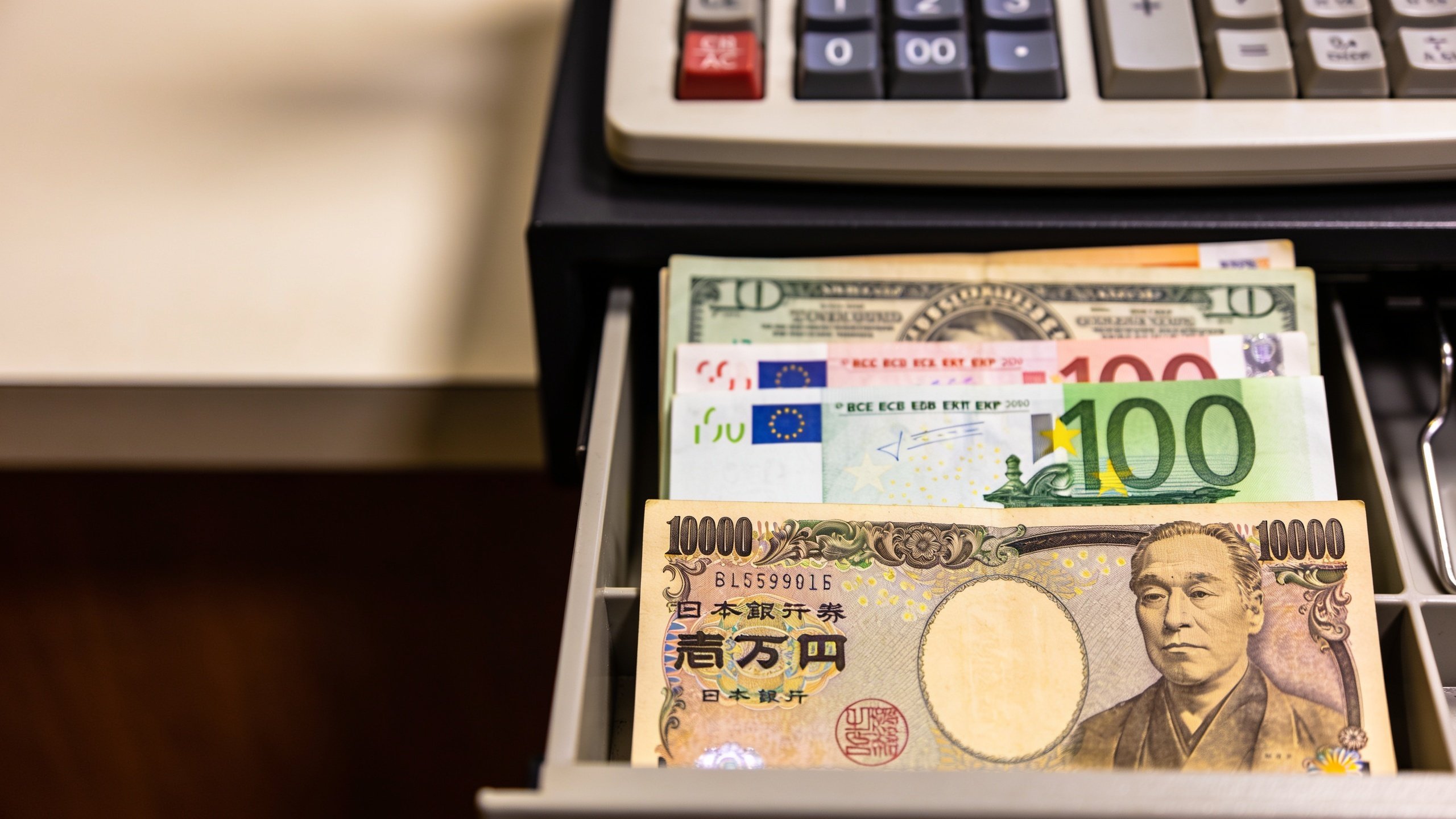
The combination of low-cost financing and low exchange rate volatility has increased the Singapore dollar's appeal to carry traders. Carry trade usually refers to investors borrowing low-interest, low-volatility currencies to buy other higher-yielding assets and profit from the interest differential. In contrast, the Bank of Japan’s rate hike is raising borrowing costs for the yen and increasing the risk of further yen appreciation.
Abbas Keshvani, Asia macro strategist at RBC Capital Markets, said, "Since the implied yield of the Singapore dollar is lower than most other currencies and its appreciation potential is limited, forming a negative carry cost, financing in Singapore dollars is attractive." He added that compared with this, yen financing faces the risk of further policy normalization by the Bank of Japan.
The divergent paths of the two central banks highlight this shift. In September, the Bank of Japan raised its policy rate by 25 basis points, and swap market pricing shows there is an 80% probability of another 25 basis point rate hike by December. This hawkish backdrop has supported the yen’s 2.7% rise against the US dollar since the second half of this year, while the Singapore dollar has risen only 1.3% against the US dollar in the same period.
Data shows that the Singapore dollar’s three-month forward implied yield is hovering around 1.65%, ranking it with the yen and Swiss franc among the currencies with the lowest financing costs out of 38 developed and emerging market currencies.
Singapore dollar volatility has also declined, reducing the risk that exchange rate swings will erode extra carry trade returns. USD/SGD three-month implied option volatility has dropped to 3.55%, the largest decrease among Southeast Asian peer currencies over the past year.
Dwyfor Evans, Head of Asia-Pacific Macro Strategy at State Street Markets, said that, compared with typical high-yielding currencies, Singapore dollar interest rates are lower and therefore it can serve as a funding currency for carry trades.
MAS’s decision may reinforce this appeal. MAS uses the exchange rate rather than interest rates as its main policy tool. This month’s decision to maintain the exchange rate policy band unchanged marks a pause after several rounds of policy tightening.
HSBC strategist Joey Chew wrote in a report: "We believe the market will once again see the Singapore dollar as a potential regional funding currency. The Singapore dollar has been under downward pressure, likely due to its low interest rates."
Disclaimer: The content of this article solely reflects the author's opinion and does not represent the platform in any capacity. This article is not intended to serve as a reference for making investment decisions.
You may also like
U.S. stock futures fluctuate by $650 billions due to news related to Jensen Huang

Nikkei Average Index gains expand to 2.78%

Surprise! Japan intervened in the forex market three times this summer, selling a record 154 trillion yen in three days
Japan has confirmed that it intervened in the foreign exchange market three times this summer, buying yen to support the exchange rate, corroborating earlier market reports. This included the first joint intervention with the United States to support the yen in nearly thirty years.
UBS CEO warns: A Democratic sweep could slow down AI capacity building, valuation concerns are "very important"
UBS CEO Ermotti stated that the U.S. midterm elections may slow down AI capacity building and that the valuations are questionable; he also warned of persistent inflation and the risk of contagion in the European bond market.

Crypto prices
More


