

Bitcoin (BTC) Price
Bitcoin Mining
Bitcoin Miner Fees Fall to Just 0.64% of Revenue, Analyst Says
Bitget offers one-stop trading for cryptocurrencies, stocks, and gold. Trade now!
A welcome pack worth 6200 USDT for new users! Sign up now!
Transaction fees averaged just 0.64% of Bitcoin miner revenue in the last 30 days, according to analyst Axel Adler Jr.
And with BTC oscillating between $83,000 and $84,000, miners’ finances depend mostly on the asset’s price and the electricity their machines burn, since fees add almost nothing.
Almost All Miner Revenue Still Comes From Newly Issued Coins
In dollar terms, fees brought in an average of 64 cents out of every $100 of daily miner revenue, and newly issued BTC supplied the rest. A week earlier, the 30-day average was 0.65, a change Adler described as small, though the indicator has stayed below 1% since mid-August 2025.
Bitcoin has climbed from $59,000 to $84,000, and the analyst credits that rise for most of the improvement in miners’ conditions. The fee share is the figure to watch: a sustained return above 1% would show fees contributing more to revenue and point to greater network activity.
At an electricity price of $0.05 per kilowatt-hour, the report compared two Bitmain machines. Mining one BTC with an Antminer S19 costs $86,700 in electricity alone, more than the asset is worth even after the price recovery. An S21 needs about $44,300 of power per BTC, leaving more room for equipment, maintenance and other expenses.
Fees at this level do not confirm that miners are shutting down machines or selling reserves, Adler added, since each operator’s position depends on its hardware, power rate and other expenses. The electricity figure also omits equipment purchases and cooling costs, so the full cost of mining a coin is higher.
Bitcoin’s Price Decides How Much Cushion Miners Have
Further price gains would narrow the S19 shortfall and widen the S21 cushion, according to the report, while a decline would cut revenue for both models. CoinGecko data put BTC near $83,000 at the time of writing, up 8% across the last 30 days. However, the seven-day change is more than a 3% decline, and the price is sitting 25% lower than a year ago and nearly 34% below its all-time high of over $126,000.
As CryptoPotato reported earlier today, the September Consumer Price Index report, a gauge of inflation, is due Wednesday, October 14, with producer prices and retail sales following on Thursday. A hotter-than-expected reading could add pressure on BTC, which has not regained most of the losses from last Thursday’s crash.
Miners have also been looking beyond Bitcoin for income. MARA posted a $611.3 million net loss for the second quarter in August, and several public miners sold more than 32,000 BTC in the first quarter of 2026 and put the proceeds into AI contracts worth an estimated $70 billion industry-wide.
0
0
Disclaimer: The content of this article solely reflects the author's opinion and does not represent the platform in any capacity. This article is not intended to serve as a reference for making investment decisions.
Understand the market, then trade.
Bitget offers one-stop trading for cryptocurrencies, stocks, and gold.
Trade now!
You may also like
Nikkei Average Index gains expand to 2.78%
格隆汇•2026/11/09 01:41

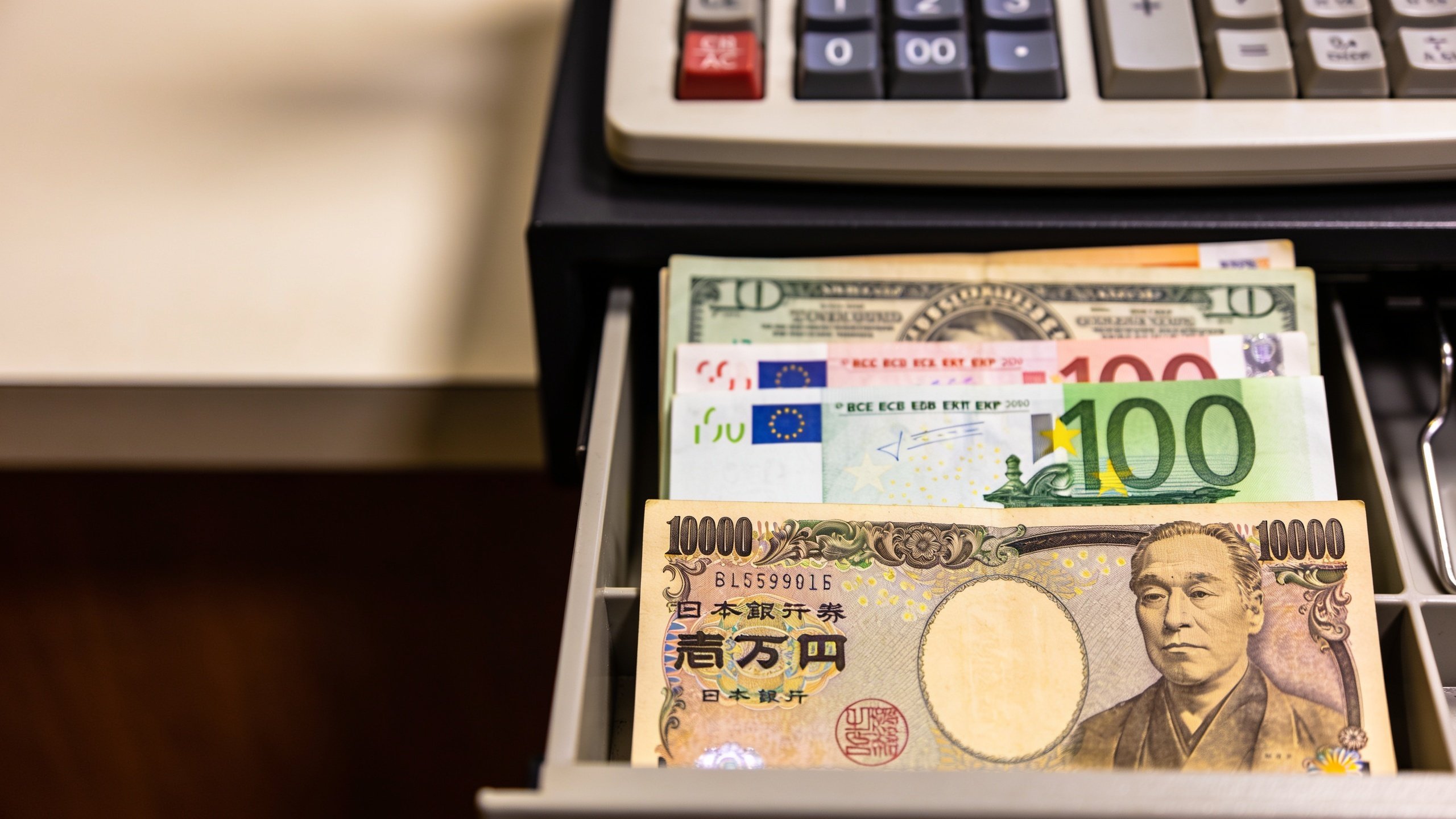
Surprise! Japan intervened in the forex market three times this summer, selling a record 154 trillion yen in three days
Japan has confirmed that it intervened in the foreign exchange market three times this summer, buying yen to support the exchange rate, corroborating earlier market reports. This included the first joint intervention with the United States to support the yen in nearly thirty years.
智通财经•2026/11/09 01:36
UBS CEO warns: A Democratic sweep could slow down AI capacity building, valuation concerns are "very important"
UBS CEO Ermotti stated that the U.S. midterm elections may slow down AI capacity building and that the valuations are questionable; he also warned of persistent inflation and the risk of contagion in the European bond market.
智通财经•2026/11/09 01:36

Nikkei 225 Rises 1.6% During Trading, Reaching 58,860.59 Points
Cointime•2026/11/09 01:22

Crypto prices
More
Bitcoin
BTC
$75,175.71
-0.60%

Ethereum
ETH
$2,143.81
-3.90%

Tether USDt
USDT
$0.9987
+0.02%

BNB
BNB
$688.23
-0.86%

XRP
XRP
$1.12
-3.54%

USDC
USDC
$0.9997
-0.00%

Solana
SOL
$88
-1.06%

TRON
TRX
$0.3188
-0.46%

Zcash
ZEC
$1,237.74
-0.50%

Hyperliquid
HYPE
$74.8
-3.54%
How to buy BTC
Bitget lists BTC – Buy or sell BTC quickly on Bitget!
Trade now
Become a trader now?A welcome pack worth 6200 USDT for new users!
Sign up now