
The central bank released its stance on the RMB exchange rate policy: China is actively promoting a transformation of its economic growth model.
 智通财经2026/10/09 01:06
On October 8, the People’s Bank of China released its policy stance on the RMB exchange rate. The stance clarifies that China implements a managed floating exchange rate system based on market supply and demand, adjusted with reference to a basket of currencies, and insists on allowing the market to play a decisive role in the formation of the exchange rate. The central bank made it clear that it does not preset a target exchange rate level, will not intervene in long-term exchange rate trends, and will maintain exchange rate flexibility with two-way fluctuations. Since 2017, the People’s Bank of China has exited regular foreign exchange intervention. The central bank will focus on preventing significant short-term exchange rate volatility, especially sharp and rapid depreciation, from impacting financial stability. In specific scenarios such as sudden pandemics or major external shocks like the tariff war in April 2025, macroprudential tools will be used for adjustments and expectations management, and in extreme cases, direct foreign exchange intervention may be conducted to prevent destructive short-term overshooting of the exchange rate. These measures comply with international rules and practices. The central bank stated that since the 2005 exchange rate reform, the RMB exchange rate has fluctuated in both directions and has generally remained strong among major international currencies. The People’s Bank of China also explicitly expressed that China neither needs nor intends to gain a trade competitive advantage through exchange rate depreciation. Furthermore, the central bank reaffirmed its commitment to the strategic direction and key initiatives set out in the “15th Five-Year Plan,” to promote a transformation in the mode of economic growth, expand domestic demand and high-level openness, and contribute to a new round of global economic rebalancing. China will also strengthen international economic and financial cooperation, actively participate in and advance global financial governance reforms, and help safeguard global economic and financial stability. (CCTV)
Disclaimer: The content of this article solely reflects the author's opinion and does not represent the platform in any capacity. This article is not intended to serve as a reference for making investment decisions.
You may also like
Shanghai fuel oil futures briefly touched 4,200 yuan/ton, down 1.96% intraday

Brent crude oil main futures fell 1.03% intraday to $96.98 per barrel.
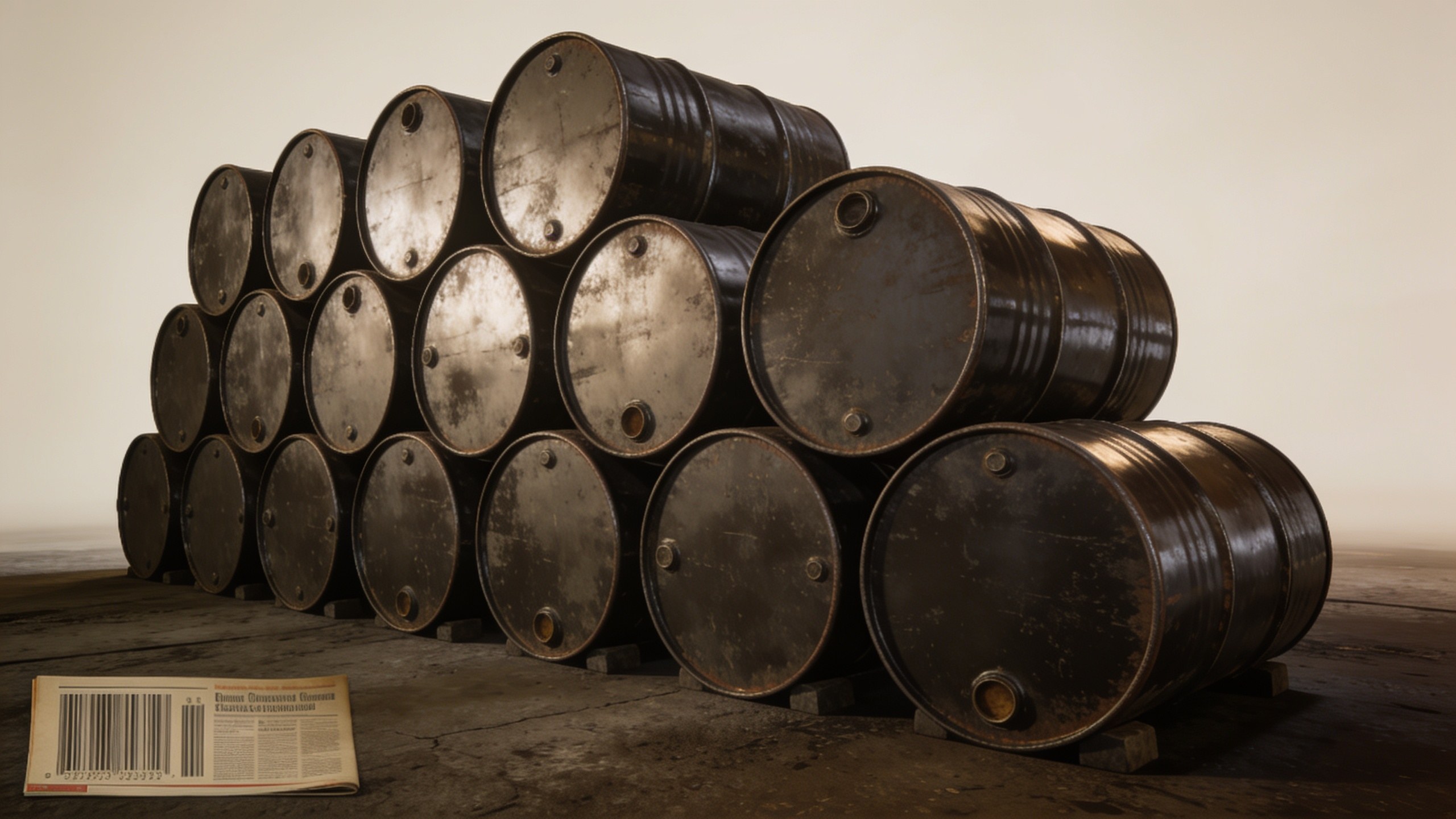
Brent crude oil futures main contract fell 1.03% intraday to $96.98 per barrel.

Japan to reduce the cost burden of using liquefied petroleum gas and kerosene

Crypto prices
More


