
Air taxi maker Joby Aero owes $116.9 million in trade secrets case, US jury says
 Reuters2026/10/05 20:37
By Blake Brittain Oct 5 (Reuters) - A federal jury in Tampa, Florida, has awarded airplane component maker Aerosonic nearly $116.9 million after finding that air taxi company Joby Aero broke a confidentiality agreement and misused trade secrets related to Aerosonic aircraft sensors. The jury in a verdict on Friday found that Joby owes Aerosonic more than $68 million for breaching the companies' non-disclosure agreement and more than $48 million for willfully misappropriating trade secrets related to its air data probes A Joby spokesperson said on Monday that the company strongly disagrees with the verdict and intends to "vigorously pursue all available post-trial and appellate remedies" The emerging air-taxi market, led by companies including Joby and backed by major automakers, airlines and investors, has spawned a string of trade-secret and patent disputes Clearwater, Florida-based Aerosonic sued Joby last year, alleging Joby stole its secrets after Aerosonic sold Joby air data probes and discussed supplying more for its electric vertical takeoff and landing aircraft Santa Cruz, California-based Joby denied the allegations and countersued Aerosonic for allegedly selling it defective probes The jury also rejected Joby's countersuit on Friday The case is Aerosonic LLC v. Joby Aero Inc, US District Court for the Middle District of Florida, No. 8:25-cv-00554 For Aerosonic: Todd Tucker of Calfee, Halter & Griswold For Joby: Naveen Modi of Paul Hastings Read more: US court trims Joby's trade-secret case against Archer Aviation (Reporting by Blake Brittain in Washington)
By Blake Brittain
Oct 5 (Reuters) - A federal jury in Tampa, Florida, has awarded airplane component maker Aerosonic nearly $116.9 million after finding that air taxi company Joby Aero broke a confidentiality agreement and misused trade secrets related to Aerosonic aircraft sensors.
The jury in a verdict on Friday found that Joby owes Aerosonic more than $68 million for breaching the companies' non-disclosure agreement and more than $48 million for willfully misappropriating trade secrets related to its air data probes
A Joby spokesperson said on Monday that the company strongly disagrees with the verdict and intends to "vigorously pursue all available post-trial and appellate remedies"
The emerging air-taxi market, led by companies including Joby and backed by major automakers, airlines and investors, has spawned a string of trade-secret and patent disputes
Clearwater, Florida-based Aerosonic sued Joby last year, alleging Joby stole its secrets after Aerosonic sold Joby air data probes and discussed supplying more for its electric vertical takeoff and landing aircraft
Santa Cruz, California-based Joby denied the allegations and countersued Aerosonic for allegedly selling it defective probes
The jury also rejected Joby's countersuit on Friday
The case is Aerosonic LLC v. Joby Aero Inc, US District Court for the Middle District of Florida, No. 8:25-cv-00554
For Aerosonic: Todd Tucker of Calfee, Halter & Griswold
For Joby: Naveen Modi of Paul Hastings
Read more:
US court trims Joby's trade-secret case against Archer Aviation
(Reporting by Blake Brittain in Washington)
Disclaimer: The content of this article solely reflects the author's opinion and does not represent the platform in any capacity. This article is not intended to serve as a reference for making investment decisions.
You may also like
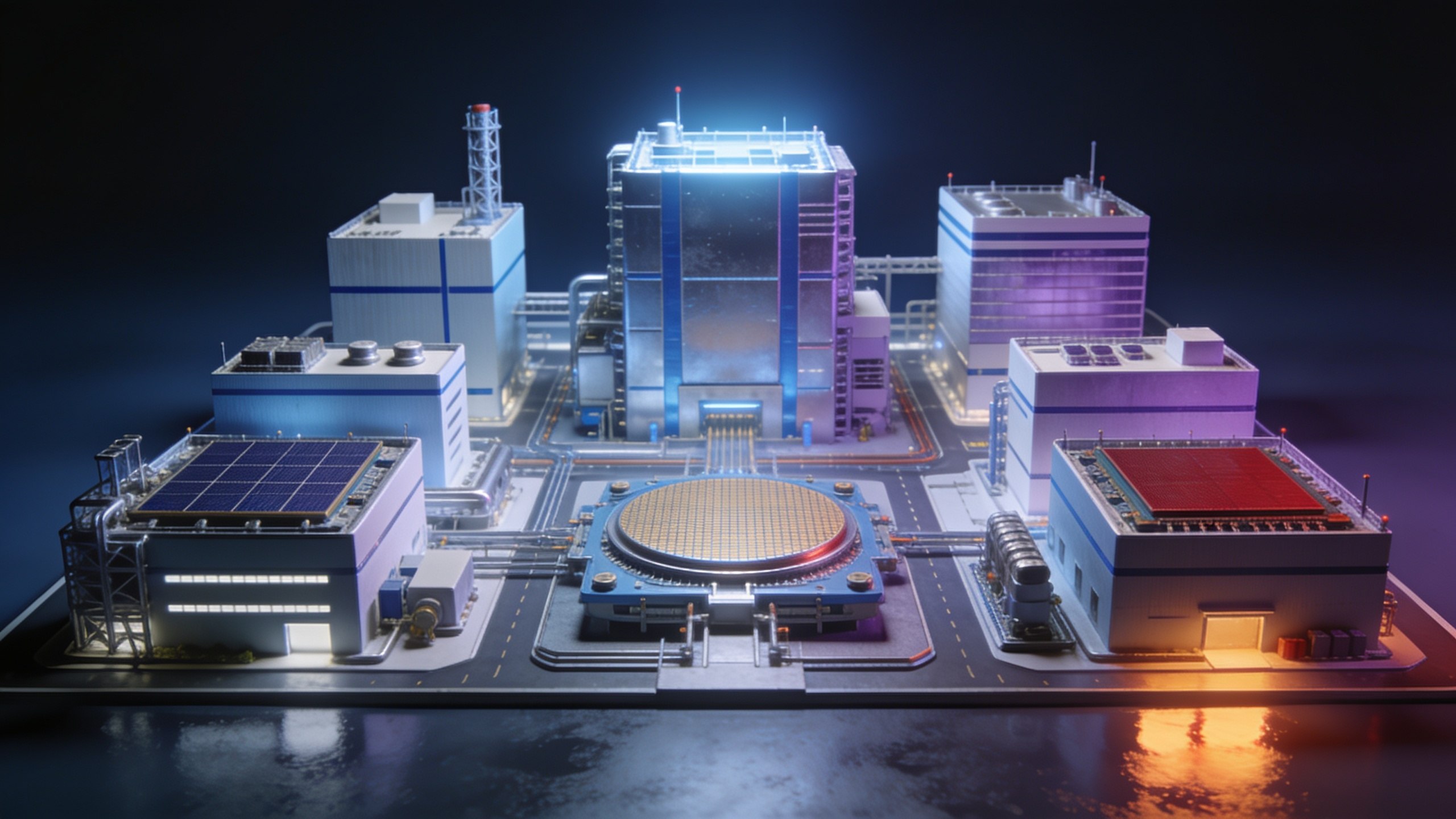
Rumor: Tesla (TSLA.US) and SpaceX (SPCX.US) plan Terafab monthly production of one million wafers, feasibility questioned
According to reports, Tesla (TSLA.US) and SpaceX (SPCX.US) plan to achieve a production capacity of 1 million semiconductor wafers per month at the proposed Terafab factory starting in 2032.
Eurozone Sentix Investor Confidence Index slips to 2.4 in November from 2.7 in October

SoftBank develops contingency plans for slowdown in US data center business, considers shifting to other countries
A new twist has emerged in the US AI data center investment boom. SoftBank is preparing for cooling US demand and a deteriorating political environment, and does not rule out shifting data center construction priorities to other countries. As cross-border computing power delivery capability improves and investment returns come under question, the logic behind AI infrastructure expansion is loosening, and over $3.5 trillion in infrastructure investment now faces potential impairment risks.
Crypto prices
More


