
US Stocks Movement: Applied Materials surged on September 29 due to AI demand, capacity expansion, and semiconductor equipment
 Bitget异动解读2026/09/29 13:50
Applied Materials September 29: Interpreting the Surge
Keywords: AI demand, capacity expansion, semiconductor equipment
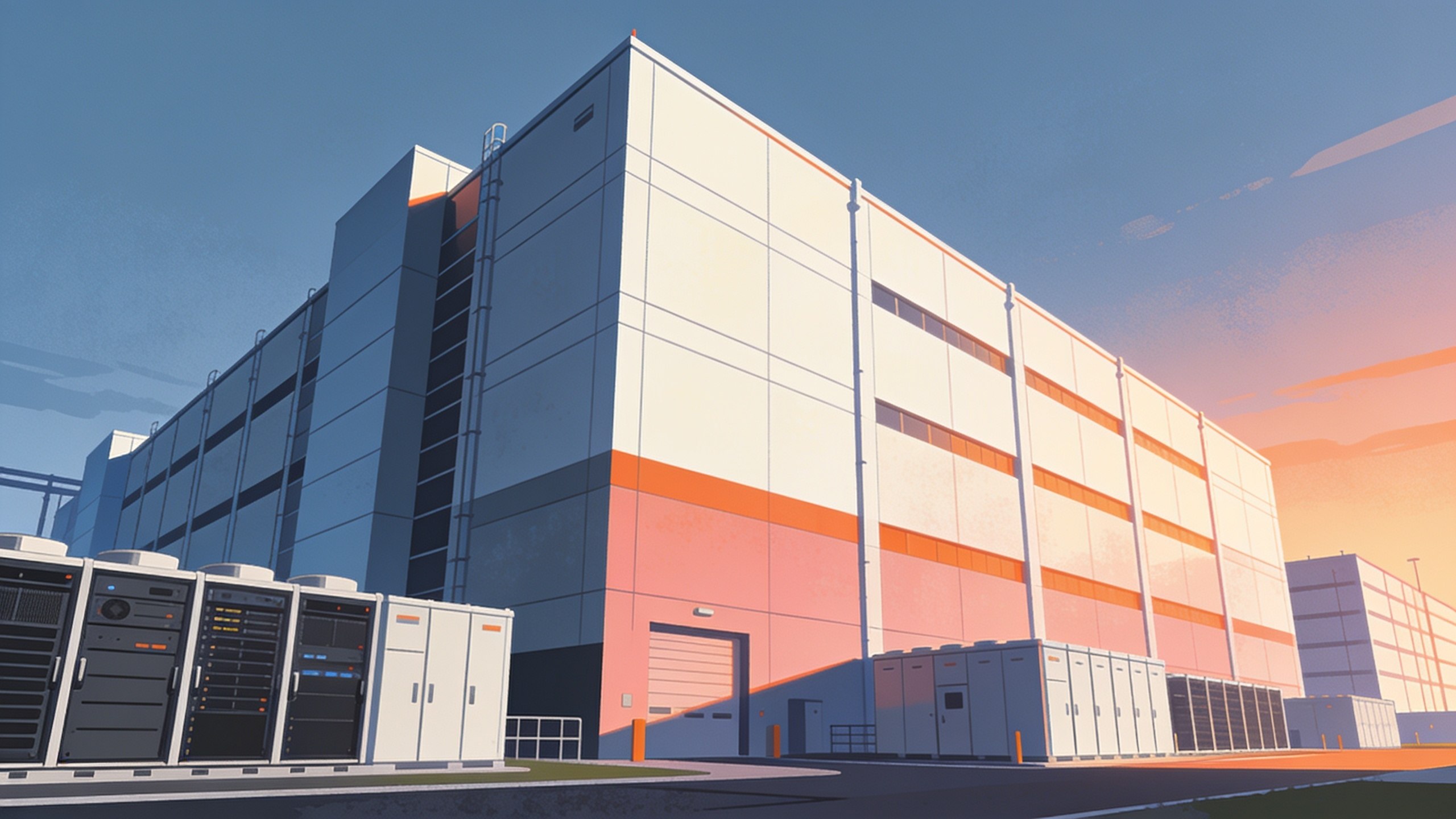
1. On September 29, data showed that the company’s fiscal year 2026 third-quarter revenue reached a record high of $9.1 billion, up 25% year-on-year; in recent years, the company nearly doubled its manufacturing space, and this quarter launched a manufacturing center in Singapore. Management stated that system quarterly output could double by 2028.
2. On September 24, institutions raised their forecast for wafer manufacturing equipment spending in 2026 to $156 billion and expect it to reach $210 billion in 2027, believing AI infrastructure construction will drive increased demand for memory chips and data center components; Applied Materials mainly engages in semiconductor equipment, services, and software, covering segments such as front-end manufacturing.
3. On September 28, institutions’ statistics showed the average price target for Applied Materials was $651, 34.2% higher than the closing price of $485; data also indicates that earnings expectations revisions trended positively.
(Disclaimer: This content is summarized from publicly available information using AI technology, for reference only and does not constitute investment advice.)
Disclaimer: The content of this article solely reflects the author's opinion and does not represent the platform in any capacity. This article is not intended to serve as a reference for making investment decisions.
You may also like

Is the "slowdown" in data centers actually a boon? Dan Ives: The AI revolution will not be canceled; tech giants with existing computing power are now more valuable
The "blue wave" in the US midterm elections may slow down data center construction, but Dan Ives from the investment institution Yorkville Ives offers a counterintuitive perspective: supply contraction actually benefits Microsoft, Amazon, Alphabet, and Meta, which hold existing computing power.
Crypto prices
More


