
Global bond yields rise to highest level in two decades as oil prices and inflation fears rattle markets

The global bond market just flashed a warning signal that hasn’t appeared in nearly 20 years. Government debt yields across every major economy surged in unison on September 1, sending the Bloomberg gauge of global government debt yields to 3.72%, its highest reading since mid-2008.
The numbers behind the selloff
The 10-year US Treasury yield climbed to roughly 4.79%, its highest mark since January 2025. Japan’s 10-year government bond yield crossed 3% for the first time since 1996, a 30-year high. The UK’s 10-year gilt yields hit approximately 5.234%, a level last seen during the 2008 financial crisis. Thirty-year gilts reached territory not visited since 1998. German 10-year Bund yields touched around 3.34%, their highest since 2011.
Oil, Iran, and the inflation problem that won’t quit
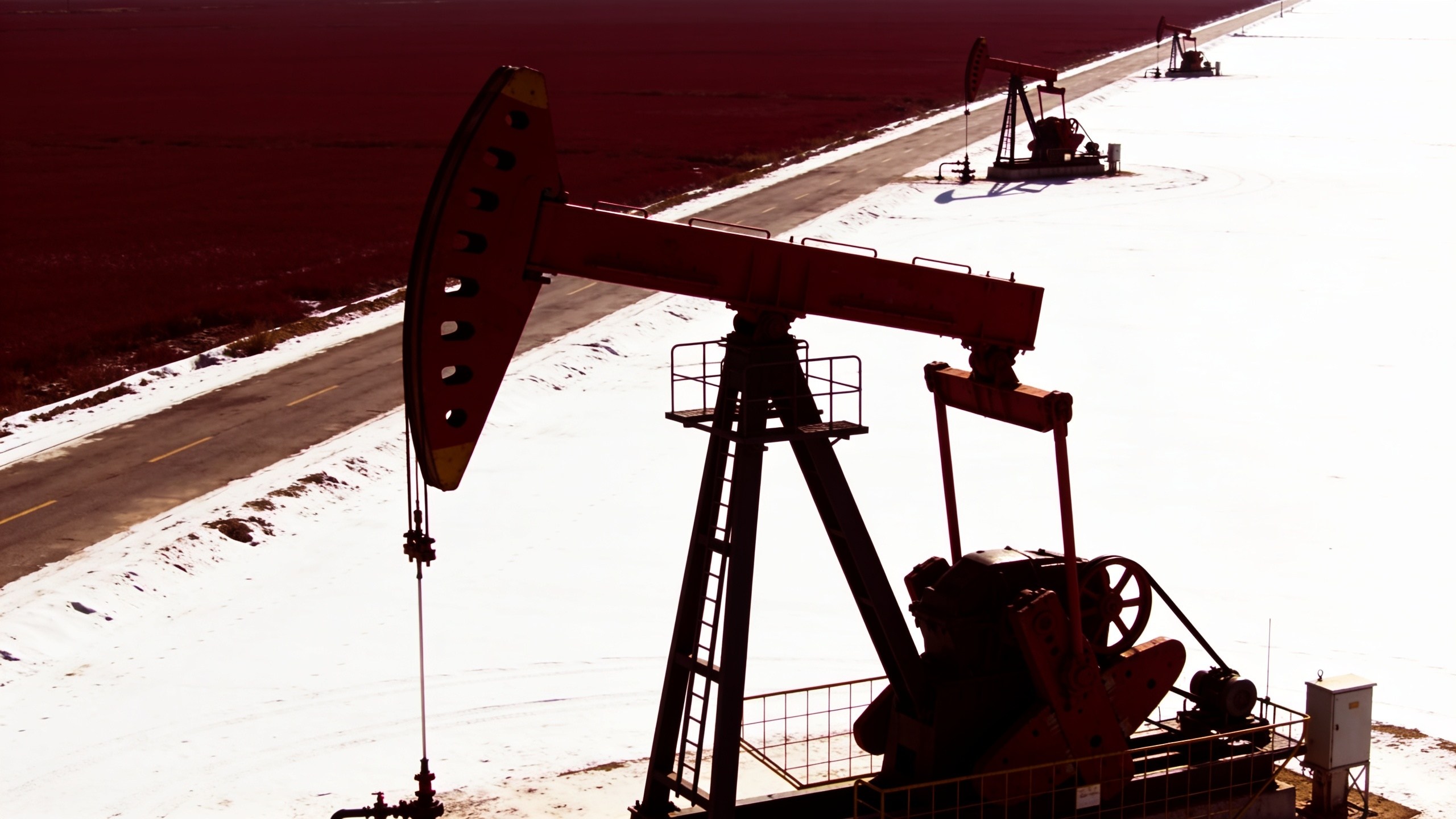
Two forces are driving the rout. The first is oil. Intensifying US-Iran tensions have rattled energy markets, particularly around the Strait of Hormuz, the narrow waterway through which roughly a fifth of the world’s oil supply passes daily.
The second is a Federal Reserve that appears ready to act. Fed Chair Kevin Warsh used his appearance at the Jackson Hole symposium to deliver what markets interpreted as a decidedly hawkish message: inflation has now exceeded the Fed’s target for five consecutive years, and the central bank sees a need to raise interest rates further.
Markets responded accordingly. Traders are now pricing in a 65-74% probability of a Fed rate hike as early as September 2026, a sharp shift from the more dovish expectations that prevailed just weeks ago.
Why this matters beyond bond desks
Higher yields make bonds more attractive relative to stocks, pulling capital out of riskier assets. When a government bond offers nearly 5% with minimal credit risk, the calculus for holding volatile growth stocks changes dramatically.
Japan’s situation stands out. The Bank of Japan spent decades suppressing yields through massive bond purchases. A 10-year yield above 3% represents a fundamental shift in that dynamic, one that could force Japanese institutions to repatriate capital from overseas markets, adding selling pressure to US and European bonds in the process.
Disclaimer: The content of this article solely reflects the author's opinion and does not represent the platform in any capacity. This article is not intended to serve as a reference for making investment decisions.
You may also like
EIA expects Brent crude spot prices to remain at $100 per barrel for the rest of the year and raises the average price forecasts for this year and next.
The U.S. Energy Information Administration (EIA) has raised its forecast for average Brent crude oil prices in 2026 and 2027 to $97 and $86, respectively, reflecting pressures from global inventory declines, Middle East supply disruptions, and rising transportation costs. As oil production in the Middle East gradually recovers and global inventories rebound from low levels, the EIA expects the average spot price of Brent crude to fall to $87 per barrel in the second quarter of 2027, and further decline to $77 per barrel by the fourth quarter.


Moody’s and Chainlink Complete Cross-Chain Credit Ratings Distribution Pilot

Crypto prices
More


