
Fed's Hawkish Policy Expectations Combine with Rising Oil Prices, Pushing Gold Prices Back to a Two-Week Low


Source: Xinhua Finance
Xinhua Finance, Beijing, September 1 — On Monday (August 31), the international spot gold price continued its correction, closing down slightly by 0.2% at $4,448.56 per ounce, reaching its lowest level since August 19 and marking a near two-week low during the session. Notably, despite the short-term pullback, gold still posted a cumulative increase of 9.7% for August and is on track for its best monthly performance since January this year.
The direct trigger for the current gold price correction was the hawkish signal released by Federal Reserve Chair Walsh at last week's Jackson Hole Global Central Bank Annual Meeting. Walsh explicitly stated that if inflation fails to sustainably return to the 2% target, the Federal Reserve still has room to further tighten policy—a statement that the market interpreted as the clearest indication of a potential rate hike so far. As a result, expectations for a US Federal Reserve rate hike in September surged quickly, directly pushing US Treasury yields sharply higher; the 10-year US Treasury yield once reached 4.768%, its highest level since mid-January 2025, while the US Dollar Index also remained near a two-week high. As a non-interest-bearing asset, gold becomes significantly more expensive to hold during interest rate hike cycles, diminishing its appeal and forming the key force restraining gold prices. Walsh further reinforced this stance at the G20 Finance Ministers and Central Bank Governors Meeting, mentioning that the potential growth rate of the US economy may be underestimated and that the investment boom could intensify inflation stickiness, further consolidating the market's expectation of prolonged high interest rates.
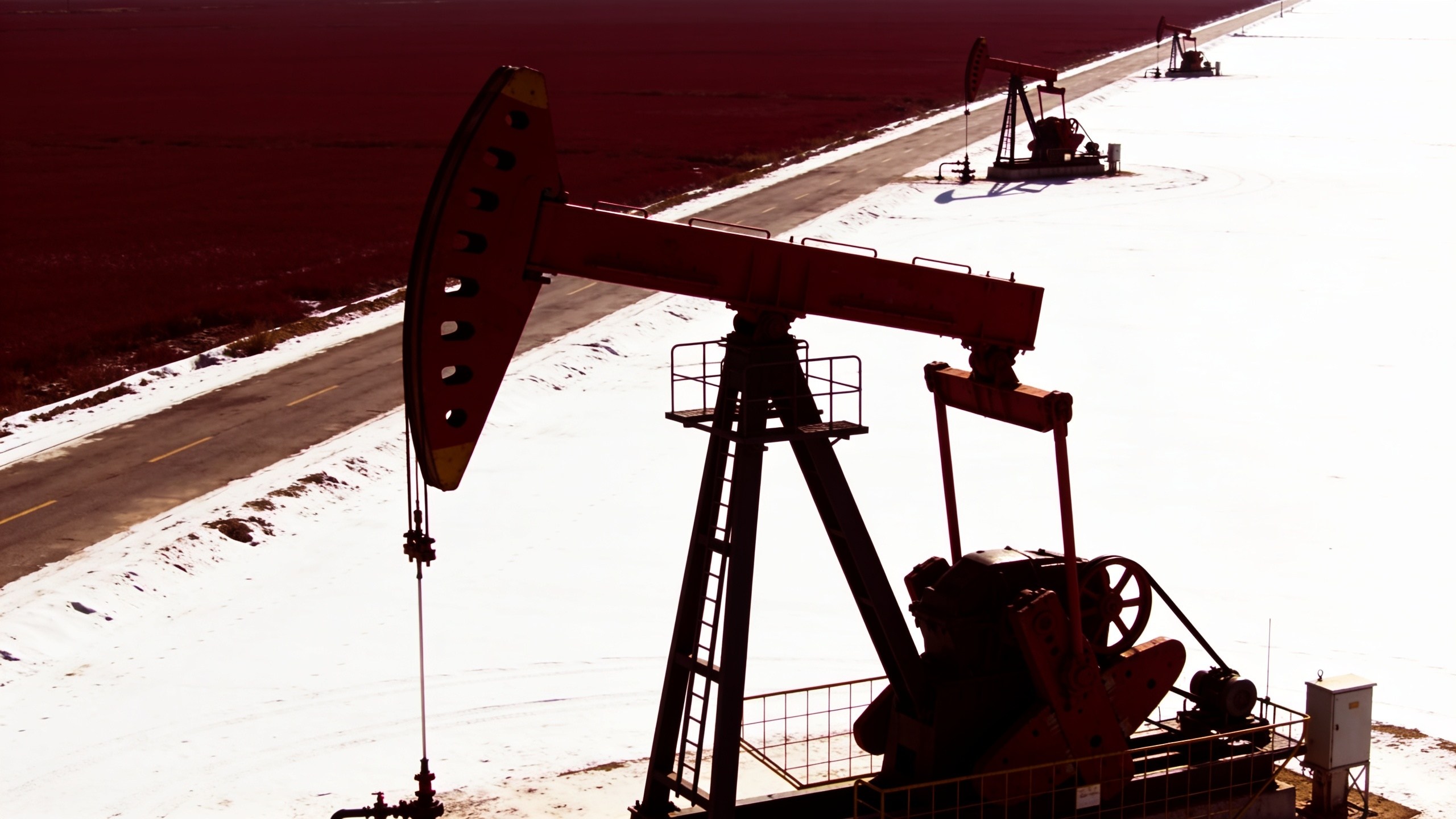
At the same time, the escalation of geopolitical tensions has not provided gold with its traditional safe-haven support; instead, rising oil prices have exacerbated inflation concerns, indirectly strengthening expectations of an interest rate hike. Last week, the US military conducted military strikes against facilities related to Iran, and Iran responded—leading to an escalation in US-Iran tensions and renewed market concerns over the security of shipping through the Strait of Hormuz. Fueled by supply disruption risks, international oil prices rose by more than 2.5% on Monday, with Brent crude closing at $90.49 per barrel and US crude at $85.76 per barrel. The rebound in oil prices has reignited market concerns about inflation stickiness, with rising energy prices complicating the Federal Reserve’s anti-inflation process, possibly even forcing further policy tightening. In a market environment dominated by interest rate expectations, the safe-haven buying power arising from geopolitical conflicts has been significantly weakened, while gold faces pressure from heightened interest rate hike concerns triggered by rising inflation expectations.
This week, the market faces a series of key economic data releases, including the US August ISM Manufacturing PMI, July JOLTs job openings, the ADP Employment Report, and the highly anticipated Nonfarm Payrolls data, followed by inflation-related reports. Previously, US employment figures for July unexpectedly weakened, temporarily suppressing rate hike expectations; currently, markets generally forecast around 55,000 new jobs added in August. If the labor market demonstrates resilience, it will further cement expectations for a September rate hike, and gold prices may continue to test earlier support levels.
From a medium- to long-term perspective, global geopolitical risks, rising debt levels in major economies, and the uncertainties brought by a new wave of investment boom still provide a long-term support logic for gold, and the upward trend in gold prices has not been fully reversed. However, in the short term, the repricing of interest rate paths remains the core variable driving the market, and there is a need to rebalance between safe-haven demand and the opportunity cost arising from rising rates. This week’s employment and inflation data will be an important turning point, directly determining the final direction of September’s rate hike expectations and guiding whether gold can resume its upward move after the current adjustment.
(Author: Wang Shenghao, Senior Analyst at Zhongzhou Futures, Investment Advisory License No.: Z0021754)
Editor: Zhu Henan
Disclaimer: The content of this article solely reflects the author's opinion and does not represent the platform in any capacity. This article is not intended to serve as a reference for making investment decisions.
You may also like
Microsoft Beats Nvidia for the First Time Since 2025: So Why Is MSFT Stock Falling?
Gunnison hits rich copper and zinc in Arizona
EIA expects Brent crude spot prices to remain at $100 per barrel for the rest of the year and raises the average price forecasts for this year and next.
The U.S. Energy Information Administration (EIA) has raised its forecast for average Brent crude oil prices in 2026 and 2027 to $97 and $86, respectively, reflecting pressures from global inventory declines, Middle East supply disruptions, and rising transportation costs. As oil production in the Middle East gradually recovers and global inventories rebound from low levels, the EIA expects the average spot price of Brent crude to fall to $87 per barrel in the second quarter of 2027, and further decline to $77 per barrel by the fourth quarter.

Crypto prices
More


