

A resurfaced video featuring US Vice President JD Vance has brought renewed attention to the ongoing discussion over the benefits and drawbacks of the dollar’s status as the dominant global reserve currency.
Old JD Vance video reignites US dollar reserve currency debate
By:Cointurk
Bitget offers one-stop trading for cryptocurrencies, stocks, and gold. Trade now!
A welcome pack worth 6200 USDT for new users! Sign up now!
Vance highlights pros and cons of dollar dominance
In the video, recorded during his tenure as a senator, Vance outlined the dual impact of global demand for dollars. He acknowledged that widespread international use of the dollar results in lower import costs and makes government borrowing more accessible for the United States. At the same time, Vance warned that persistent demand can strengthen the dollar’s exchange rate, which may hurt American export competitiveness by making US goods more expensive for foreign buyers.
Vance stressed that while the strong dollar helps consumers and provides advantages to the federal government, it can create challenges for US manufacturers and workers seeking access to foreign markets.
A Forbes analysis recently revisited this perspective, connecting it to the well-known Triffin dilemma. This economic theory describes the inherent conflict that emerges when a national currency, such as the US dollar, also serves as the world’s primary reserve asset.
Mini dictionary: Triffin dilemma, an economic theory highlighting the tensions between short-term domestic economic objectives and long-term international responsibilities when a national currency acts as the world’s reserve.
ETH
SOL
BSC
ROBINHOOD
PAY
USDT
RECEIVE
AAPL
Historical background: From Bretton Woods to today
The Triffin dilemma originated during the Bretton Woods era, when the United States was required to maintain enough dollars in circulation for global trade while ensuring that those dollars could be exchanged for gold at a fixed rate. This arrangement broke down in 1971 when President Richard Nixon ended gold convertibility, shifting the world to a fiat-based system.
Although the global monetary framework has since evolved, the basic tension remains. Foreign governments and investors continue to hold substantial US assets for liquidity and security, while US policymakers focus on strengthening domestic manufacturing and export performance.
Stablecoins and alternatives in the reserve debate
The rise of stablecoins, digital tokens pegged to the US dollar, could potentially reinforce the dollar’s international role rather than undermine it. Legislation such as the GENIUS Act seeks to link regulated payment stablecoins directly to highly liquid dollar-denominated assets, including US Treasuries.
Mini dictionary: GENIUS Act, a proposed US law aimed at ensuring stablecoins are backed by safe, liquid dollar assets such as US Treasuries and held under regulatory oversight.
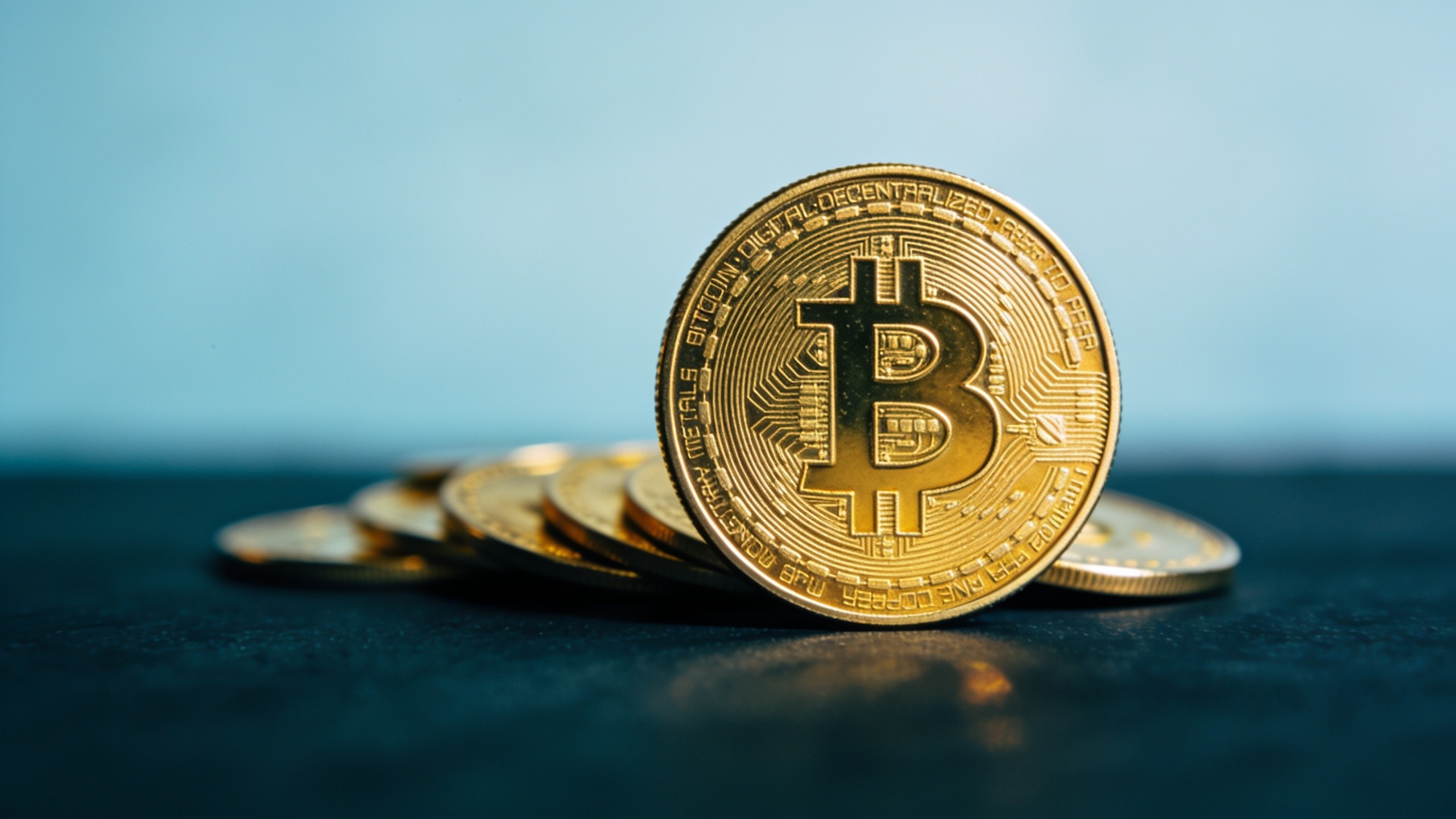
Bitcoin, by contrast, exists outside government control. Its fixed supply means it is not influenced by national debt, fiscal decisions, or trade policy, making it appealing to some as a potential neutral reserve option.
In March 2025, the US government established a Strategic Bitcoin Reserve using BTC acquired through legal forfeitures. This move introduced Bitcoin into official reserve policy discussions but remains limited in scale.
While some see Bitcoin as a future reserve asset, significant adoption hurdles remain due to high volatility, custody risks, and limited interest from global central banks.
Gold, a long-standing reserve asset, has maintained its strong position. Central banks worldwide significantly increased their gold holdings, purchasing more than 1,000 tonnes per year across 2022, 2023, and 2024. Analysts see this as reinforcing gold’s role as the premier politically neutral reserve asset, even as digital alternatives attract policy debate.
Reserve Asset Annual Central Bank Purchases (2022–2024) Status
| Gold | 1,000+ tonnes | Leading neutral reserve |
| Bitcoin | Limited (strategic reserve only) | Experimental, volatile |
| USD | Not directly purchased, but widely held | Dominant global reserve |
0
0
Disclaimer: The content of this article solely reflects the author's opinion and does not represent the platform in any capacity. This article is not intended to serve as a reference for making investment decisions.
Understand the market, then trade.
Bitget offers one-stop trading for cryptocurrencies, stocks, and gold.
Trade now!
You may also like
Philadelphia Fed President Paulson supports gradual rate hikes but warns inflation is still “stuck” above target
Core inflation is "stuck" in the 2.5%-3% range, with triple pressures from tariffs, energy, and AI data center demand. Paulson insists on gradual rate hikes while setting clear trigger conditions—if inflation expectations shift upwards or wage pressures build, he will move more quickly. Meanwhile, Governor Waller stated that if October's core CPI rises 0.3% month-on-month, a 50 basis point rate hike in December should be considered. Dallas Fed's Logan said at least two more rate hikes are needed.
华尔街见闻•2026/11/11 00:36
During Anthropic IPO roadshow, OpenAI also discloses financial data: Q3 revenue falls short, losses far exceed expectations
OpenAI's revenue in Q3 reached $10 billion, marking a nearly 50% quarter-on-quarter increase. Its annualized run rate is approximately $50 billion, but operating losses have expanded from $10.1 billion to $10.9 billion. Competitor Anthropic has begun its IPO roadshow, with Q3 revenue of $17 billion and losses of only $567 million, leading in both scale and profitability.
华尔街见闻•2026/11/11 00:21
Petrobras (PBR.US) Achieves Record Oil and Gas Production in Q3; Adjusted Net Profit Up 78% Year-on-Year, Raises Full-Year Production and Capital Expenditure Guidance
Petrobras released its Q3 2026 financial results after the US market close on November 10.
智通财经•2026/11/11 00:07
Retail Investors Can Short AI-Related Debt? High-Leverage CDS ETF Launches, but Analysts Remain Skeptical
Two institutions plan to launch leveraged ETFs tied to CDS of AI companies, betting on credit defaults; Oracle's CDS volume has surged from $8.7 billion to $47.6 billion this year.
智通财经•2026/11/10 23:22
Crypto prices
More
Bitcoin
BTC
$73,478.18
-1.94%

Ethereum
ETH
$2,049.18
-3.53%

Tether USDt
USDT
$0.9987
+0.01%

BNB
BNB
$679.83
-1.33%

USDC
USDC
$0.9997
-0.00%

XRP
XRP
$1.05
-4.16%

Solana
SOL
$83.18
-3.71%

TRON
TRX
$0.3181
+0.18%

Hyperliquid
HYPE
$72.21
-3.28%

Zcash
ZEC
$1,038.64
-11.20%
How to buy BTC
Bitget lists BTC – Buy or sell BTC quickly on Bitget!
Trade now
Become a trader now?A welcome pack worth 6200 USDT for new users!
Sign up now