
Yen intervention: Is this a falling knife worth catching?

Morning FX
Although it was somewhat delayed, this round of yen intervention has arrived. In just two trading days, USDJPY plunged 4% to 157, and the US Dollar index was also dragged down sharply.
Historically, yen interventions have not changed the long-term depreciation trend; each intervention, in hindsight, has been the Ministry of Finance handing money to the market. So the question is, what about this time? Can you catch this flying knife?
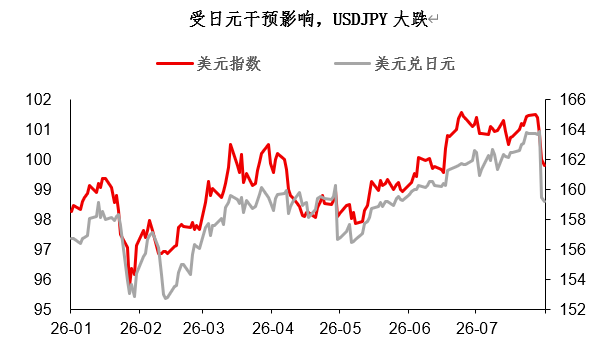
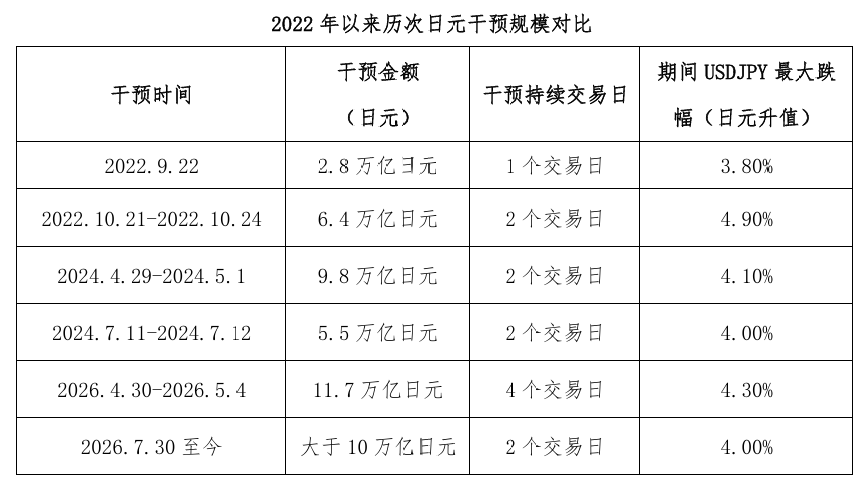
To answer this question, we first need to assess the scale of this round of intervention. I am inclined to believe that most of the policy momentum from this round of yen intervention has already been released. Reviewing yen interventions since 2022, the duration has typically been between 1–4 trading days, with the yen appreciating around 4% during those periods. This current intervention has lasted for 2 trading days, USDJPY dropped as much as 4%, and the intervention amount exceeded 10 trillion yen. Compared with historical experiences, most of the policy momentum of this intervention should have already been released.
The special aspect of this intervention is that it’s a joint US-Japan operation. Last Friday’s “Benson Note” and the New York Fed’s Rate Check sent a clear deterrence signal to the market. However, in my opinion, the “Benson Note” is more of a psychological deterrent than having real influence. This is because, compared to other G7 countries, the US actually holds a very small amount of foreign exchange reserves. According to IMF official data, US forex reserves are only $3.8 billion, of which euro reserves are about $2.6 billion.
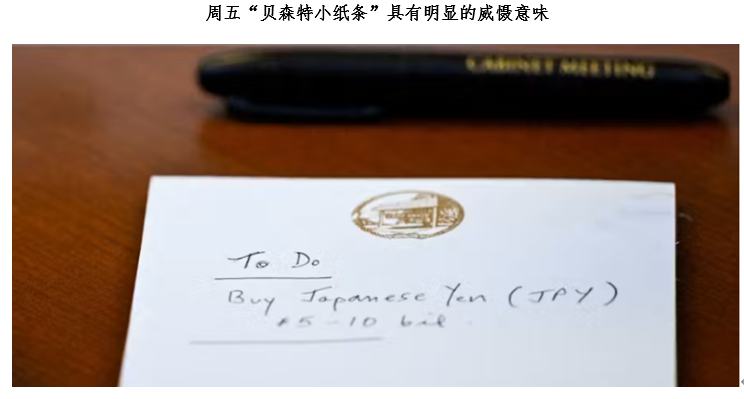
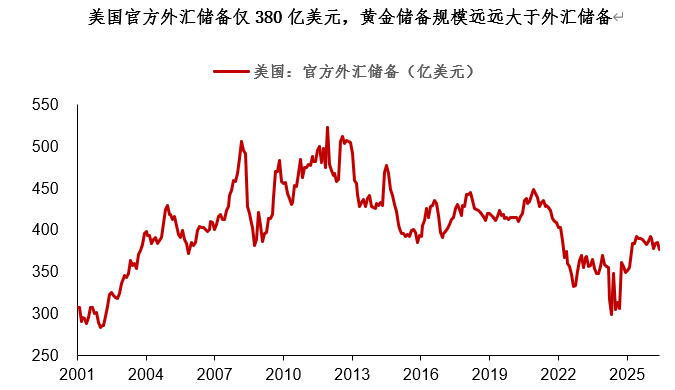
As shown above, since 2000, US foreign exchange reserves have remained largely unchanged, while global foreign exchange market trading volume has grown more than eightfold (BIS data). Moreover, using euro reserves also incurs corresponding policy costs. This is also why I believe the “Benson Note” acts more as a deterrent than a practical tool.
From a “tactical deterrence” perspective, Benson’s intention has already been achieved—at present, the 1-month USDJPY 25D RR has plunged to -2.6, a new low for the year. This reflects a significant narrowing in the market’s short-term bearish expectations for the yen.
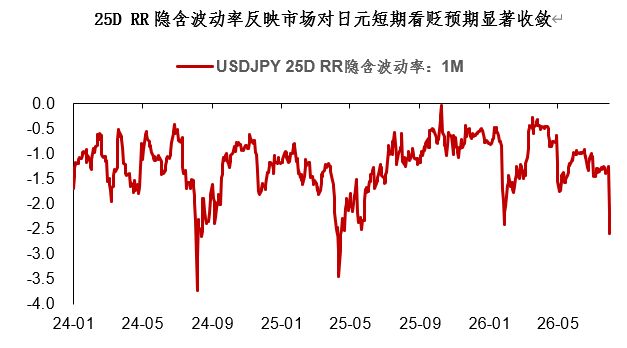
In the long run, the root cause of the yen’s depreciation expectations lies in this: the Japanese economy cannot support the BOJ in conducting consistent, rapid interest rate hikes, which means the yen is stuck with the “funding currency” label.
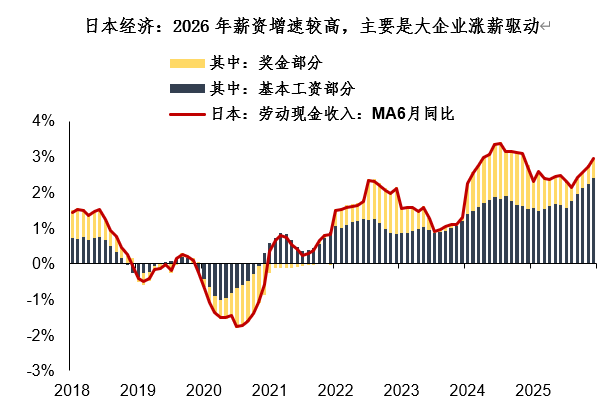
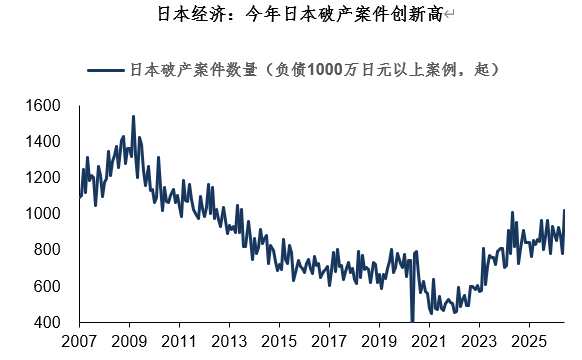
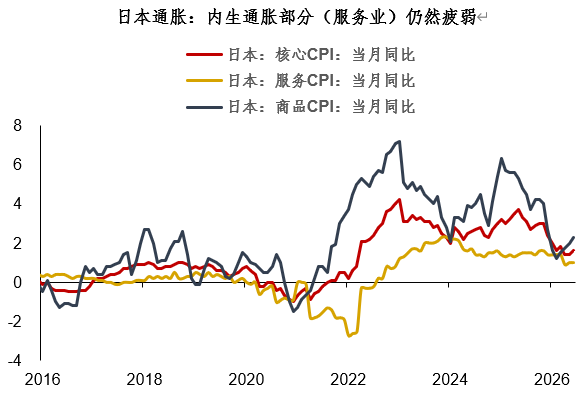
Specifically, Japan’s economy, wages, and inflation have never managed to form a virtuous positive cycle. This year, Japan’s wage growth is decent, but the number of business bankruptcies has also reached a nearly ten-year high. The main reason is that the wage growth is mainly driven by large enterprises; small and medium-sized enterprises are still facing harsh profit and wage pressures. Against this background, Japan’s inflation, especially in the service sector, remains sluggish and thus cannot support a consistent, rapid course of interest rate hikes by the BOJ.
To sum up, yen intervention has arrived. Can you catch this flying knife? In my opinion, you can.
Summary of today’s sharing:
1. This round of yen intervention has lasted for 2 trading days, USDJPY’s maximum drop reached 4%, and the intervention amount exceeded 10 trillion yen. Based on historical experience, most of the policy momentum from this intervention should have already been released;
2. The special point of this intervention: it is a joint US-Japan operation. However, in my view, the “Benson Note” is more of a psychological deterrent than a practical one. This is because the US actually holds a small amount of forex reserves, and using euro reserves has corresponding policy costs;
3. In the long run, the root cause of yen devaluation expectations is that Japan’s economy cannot support consistent, rapid BOJ rate hikes, which means the yen remains a “funding currency.” This year, Japan’s wage growth is decent, but bankruptcies are at a ten-year high and endogenous inflation is weak. Overall, this “flying knife” of yen intervention can be caught. For export companies with yen receipts, this is also an excellent opportunity to settle at a high rate.
Disclaimer: The content of this article solely reflects the author's opinion and does not represent the platform in any capacity. This article is not intended to serve as a reference for making investment decisions.
You may also like
After Jensen's resignation, the "Big Short" doubles down on shorting tech stocks! Warns the AI boom may turn into a "bull trap"
Michael Burry increased his short positions following Huang Renxun's resignation. He compared Nasdaq’s October peak to the top of the 2000 internet bubble. On November 12th, he doubled his put option positions on the Nasdaq 100, with expiry set for early 2027, and rebuilt put options on the VanEck Semiconductor Index. He directly warned investors to "exit the market" and predicted a significant correction in chip stocks before mid-2027.

Tesla (TSLA.US) Cybercab limited pre-orders open: priced at $29,990, with an additional monthly operating fee of $299
According to reports, Tesla has invited select customers to reserve the Cybercab, taking a step toward launching this self-driving model to general consumers.

Fed Vice Chair Sets the Tone: Inflation Is the "Most Important Signal," Interest Rate Decisions Depend on It
Federal Reserve Vice Chair Philip Jefferson stated that when policymakers consider whether to raise interest rates further, inflation has become the most important metric.
Elon Musk Leads Petition! Silicon Valley Supports Jensen Huang as Tens of Thousands Call for the Return of the Founder
Elon Musk has publicly co-signed a petition in support of Jensen Huang’s return to NVIDIA. The number of signatures on the petition website has surpassed 14,000, causing the site to almost crash due to a surge in traffic. What is raising further alarm in the capital markets is that NVIDIA’s core engineers have made collective statements, warning that if senior management mishandles the situation, key technical talent may leave, potentially undermining NVIDIA’s competitive moat.
Crypto prices
More


