
Leader in El Niño Trading...

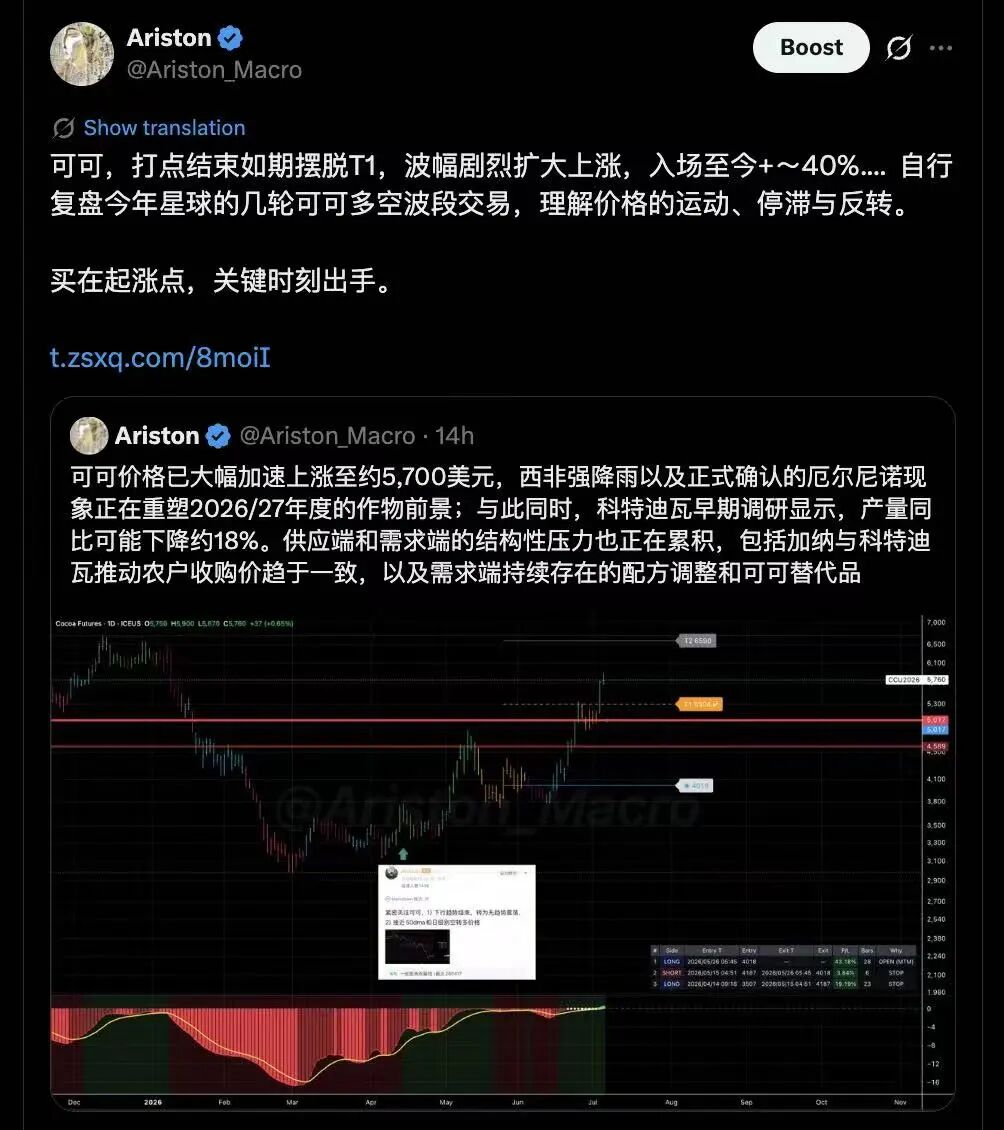
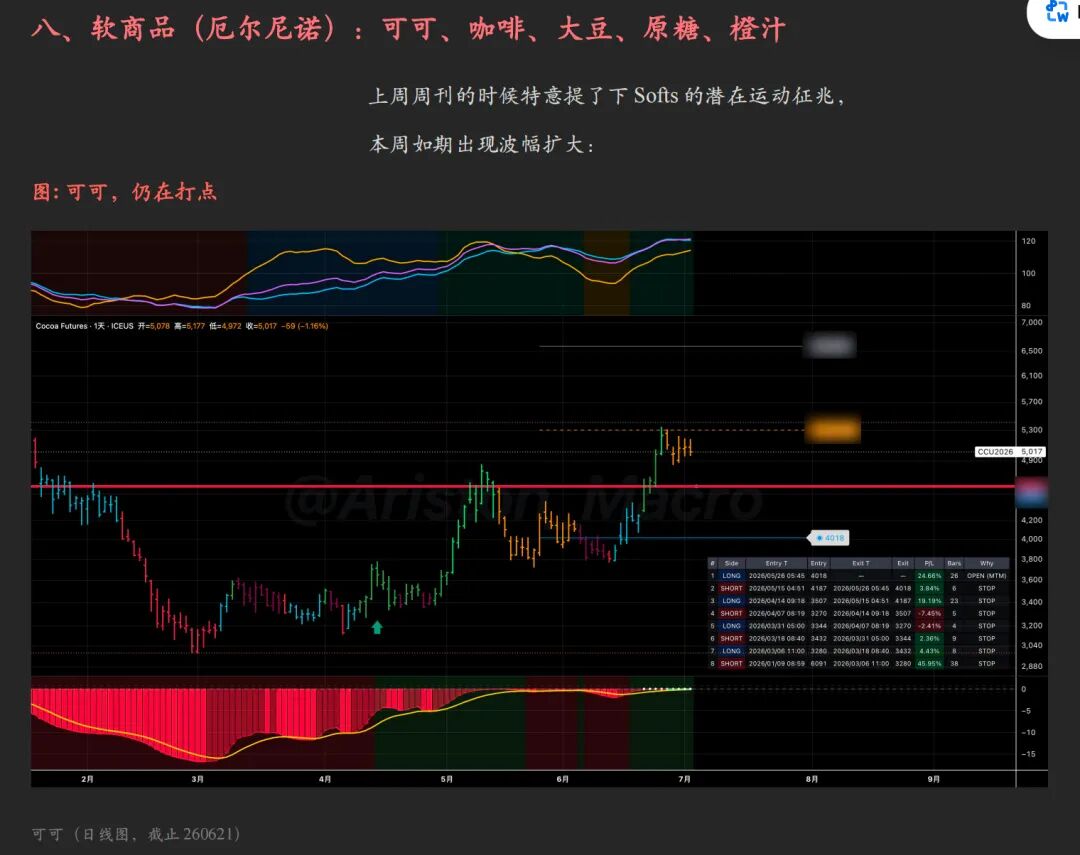
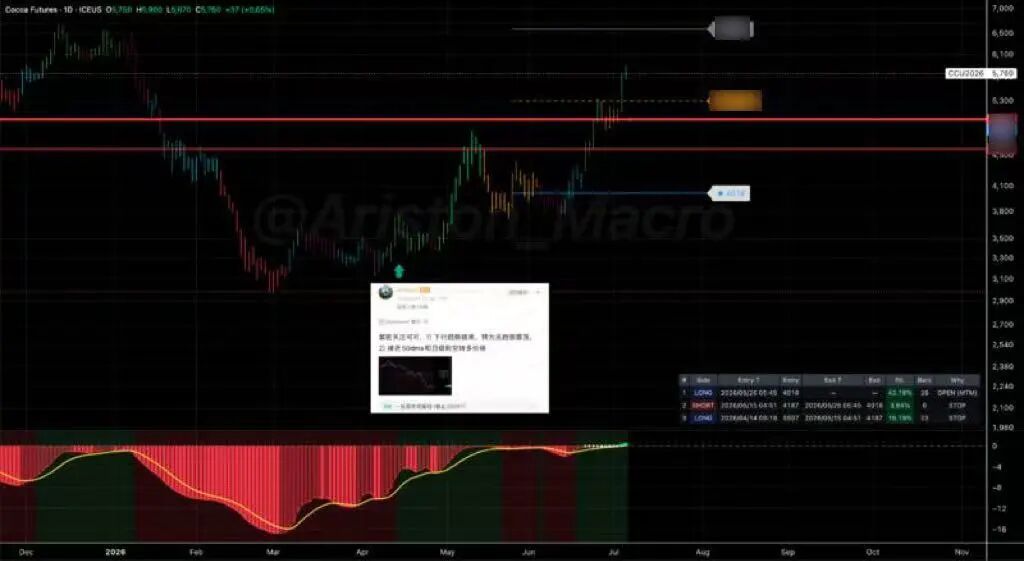
The most core macro implication here is climate:Global temperatures in 1H27 may rise to 1.8-2.0ºC above pre-industrial benchmarks. This level will amplify power demand and hydroelectricity shortages in Asia,and will also increase short-term temperature spikes, rainfall, and logistics volatility in the Americas.
Specifically, first, droughts in Asia and Australia and rainfall differences in other regions will impact soft commodity and regional grain supplies. Second, weak monsoons and lower reservoir levels will boost local thermal power and LNG demand. Third, export controls and substitution trade will amplify global price transmission. Fourth, rising cooling demand alongside hydro shortages will spark regional energy price spikes. Fifth, high global grain inventories can limit systematic shortages, but cannot suppress local shortages and price volatility.
South Asia and Southeast Asia are already experiencing below-normal rainfall and elevated heat risks, making rice, sugar, palm oil, coffee, cotton, pulses, and other soft commodities and the food chain most sensitive.Australia also shows nationwide below-average rainfall, increasing downside risks for wheat and barley exports.
Latin America is even more diversified; northern droughts will impact coffee, sugar, and staple crops;South Asia is the main transmission zone for near-term global commodity risks. Current forecasts point to a weaker-than-normal monsoon, with rainfall at about 90% of historical averages, and a high probability of local shortages.
India's role in rice, sugar, cotton, pulses, and global food trade will turn output shortfalls into export control risks quickly; once export bans or stockpile release policies are in place, price shocks will ripple from local supply-demand to the entire global supply chain.
Weather sensitivity will also affect the logistics chain, such as copper mines, ports, railways, and road transport, hence generating a risk-based upward bias in metals.
Of course, in the end, it is still about price, whether weather or news. If we keep an eye on prices, that will be enough.
...

For details on technology sector rotations monitoring, see Planet

...

Disclaimer: The content of this article solely reflects the author's opinion and does not represent the platform in any capacity. This article is not intended to serve as a reference for making investment decisions.
You may also like
Retail Investors Can Short AI-Related Debt? High-Leverage CDS ETF Launches, but Analysts Remain Skeptical
Two institutions plan to launch leveraged ETFs tied to CDS of AI companies, betting on credit defaults; Oracle's CDS volume has surged from $8.7 billion to $47.6 billion this year.

Wall Street is divided over Nvidia (NVDA.US): Some see a "once-in-a-lifetime buying opportunity," while others worry about Huang Renxun being "irreplaceable."
Nvidia's (NVDA.US) forward P/E ratio has fallen below 10x—a valuation typical for companies in structural decline, now seen at a firm widely regarded as the "core of the AI revolution."

Global banks commit $270M to stablecoin venture targeting 2027 launch

The "Quantum Computing" Halo Can't Offset Fundamentals Growth Disappointment! Rigetti (RGTI.US) Fell Over 9% After Hours; Fidelity Meets Standards but Revenue Misses Expectations by 60%
This technology company focused on quantum computing has achieved its technical milestones, but its revenue falls far short of market consensus expectations. It has encountered significant setbacks in revenue, losses, and order acceptance progress, causing its stock price to drop by over 9% in after-hours trading on the US stock market.
Crypto prices
More


