
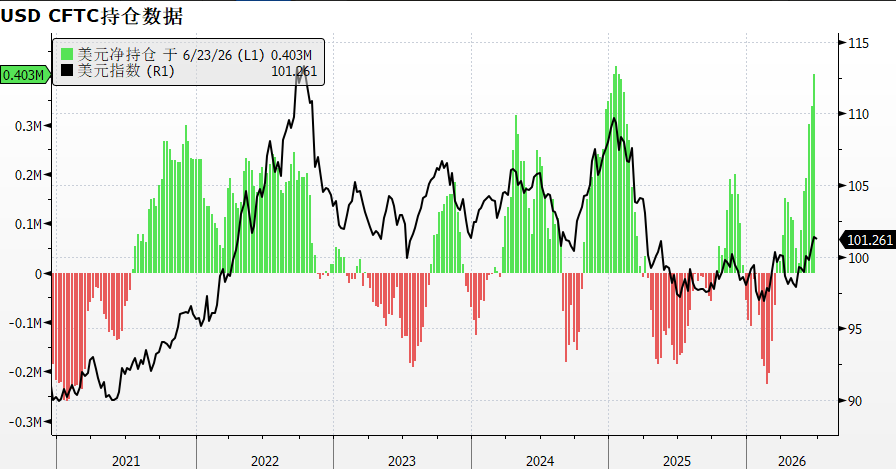
Crowded Long Positions on the US Dollar

Morning FX
2. Oil prices fall, and rate hike expectations are hard to support the dollar
The core driver of the latest dollar rally comes from the market’s advance pricing of the Fed’s hawkish policies,with the dollar index’s movement highly related to the expected rate hikes from the Fed over the next year.
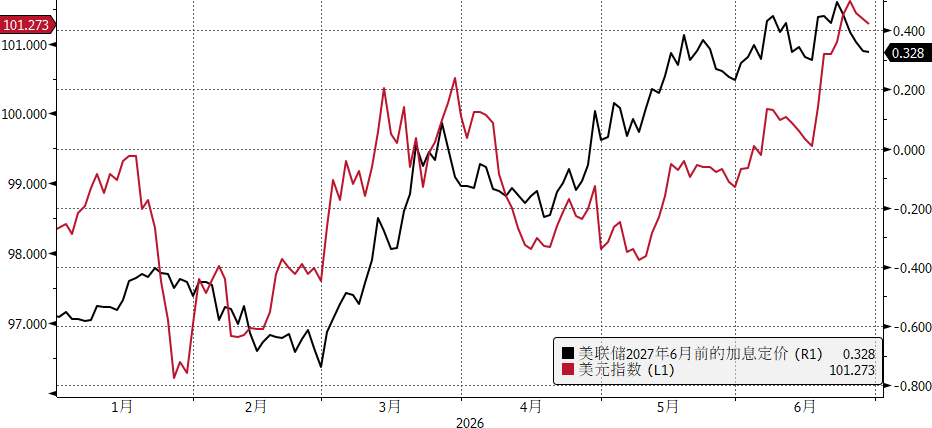
Currently, the market is pricing in 1.3 Fed rate hikes this year, with a 75% probability of a hike before September, slightly down from post-June FOMC highs. However, the decline in US dollar interest rates still lags the significant drop in oil prices.The fall in oil prices will gradually ease inflation,reducing the necessity for continued Fed hikes,and the rate support for the dollar continues to weaken.
3. Seasonal weakening window for economic data
In June and July, US nonfarm payrolls data often show seasonal weakness: on one hand, school summer vacations result in temporary departures from public education positions, and many women exit the labor market to look after children; on the other, July is traditionally a time for automakers and other manufacturers to halt operations for maintenance, leading to temporary layoffs. Therefore, summer employment data naturally experience seasonally downward disturbances, and high-frequency indicators such as JOLTS and ISM manufacturing also face possible weakening.
4. AI positives fully priced in, marginal benefits fading
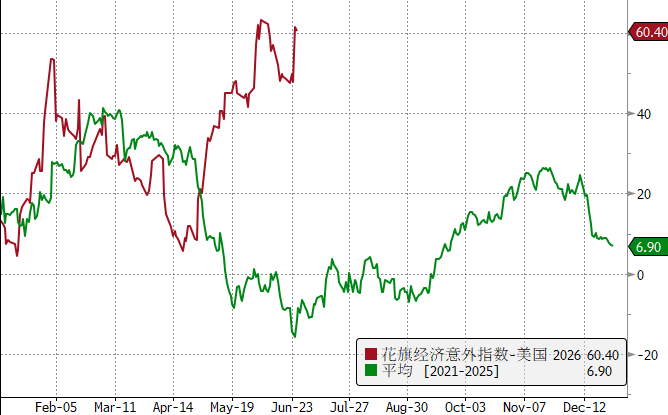
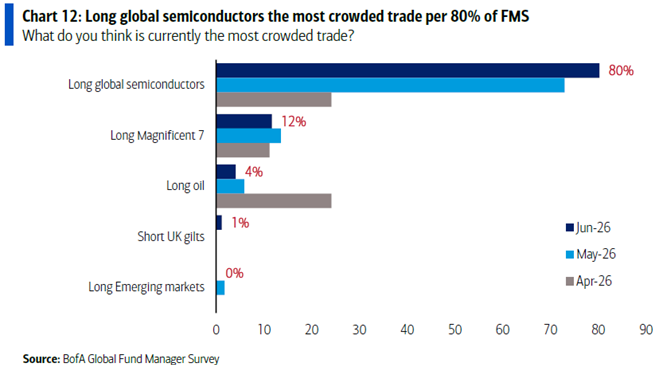
The boost to US productivity from AI is a core bullish logic for the dollar in the mid-to-long term, but in the short-term, this positive has already been priced into the dollar’s strength.BofA’s June investor survey shows that 80% of institutions believe that going long on global semiconductors is the most crowded trade. When volatility in tech stocks increases, it may weaken foreign capital’s motivation to continue assets into the USD.
5. Geopolitical risk premium supporting the dollar continues to decline
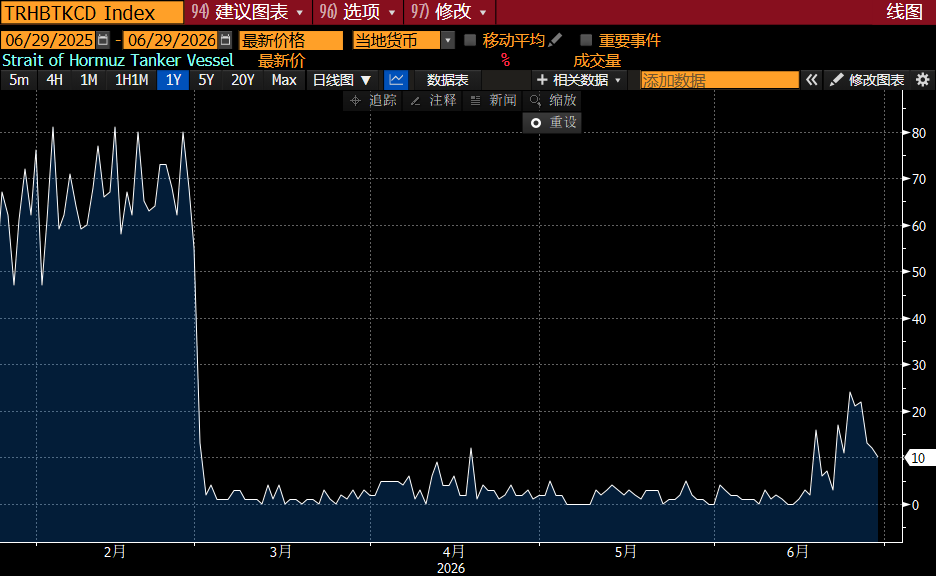
With the US and Iran reaching a ceasefire memorandum of understanding, the Middle East situation has cooled down significantly, Hormuz Strait shipping traffic has recovered to about 30% of normal levels, and overall Middle East strait traffic has risen to around 60% of norm. The previously supportive geopolitical risk premium for the dollar is rapidly declining.
Summary:
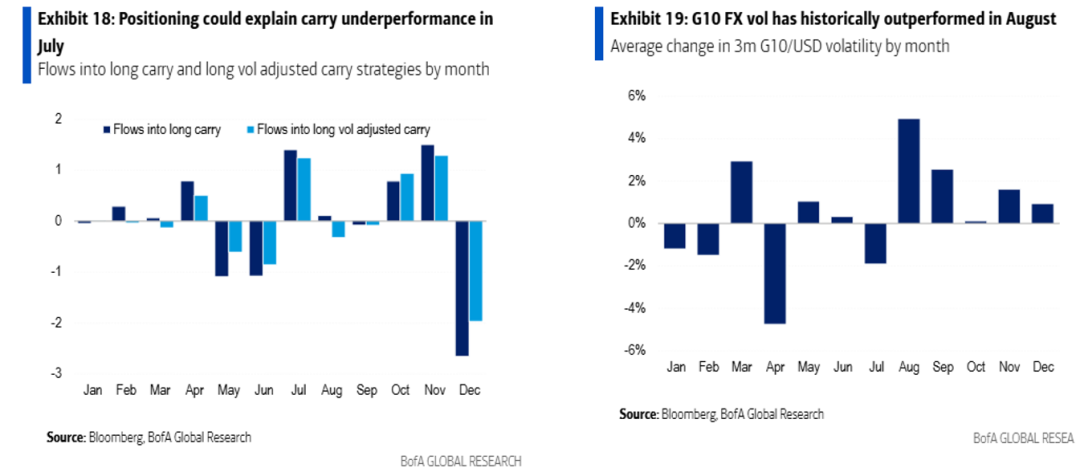
Currently,US dollar long positions are rather crowded. Coupled with falling oil prices, seasonal weakening of summer economic data, AI benefits being fully priced in, and fading geopolitical risk premium, a confluence of factors is increasing the pressure for a short-term correction at the dollar’s highs.
Disclaimer: The content of this article solely reflects the author's opinion and does not represent the platform in any capacity. This article is not intended to serve as a reference for making investment decisions.
You may also like

Wall Street giants collectively raise rate hike forecasts, US Treasury futures continue to fall, gold drops over 1% to break 4000
After the US October CPI exceeded expectations, Goldman Sachs and Nomura added a forecast for an interest rate hike in March next year, while Deutsche Bank included a forecast for a rate hike in January next year. Currently, the market has fully priced in a 25 basis point rate hike in December, with a 13% probability for a 50 basis point hike. On Wednesday, the US Treasury spot market was closed, but Treasury futures continued to fall, with corresponding yields rising by about 2 to 4 basis points, and spot gold came under pressure, dropping by 1.1%.

No Need to Worry About the Cooling Down of AI Data Center Construction? The US Import Boom Is Unlikely to Subside in the Short Term, Real Impact May Come in 2029
It takes an average of 4.8 years from finalizing investment to starting construction of a data center project, and an additional 2.6 years from construction start to becoming operational. Servers usually cannot be installed until after the building structure and racks are completed. For trade partners such as Taiwan (China), South Korea, and Mexico who rely on US data center supply chain demand, the inertia in construction timelines provides at least a one- to two-year buffer for future exports.

Federal Reserve Major Debate: When Should the Tenure of “Number Three” Williams End?
The main point of contention is whether Williams should step down in June 2028, upon completing a full 10-year term, or in June 2027, when he reaches the mandatory retirement age of 65. Analysts point out that the Federal Reserve Board holds ultimate discretion; if he leaves early, Fed Chair Waller would be able to assert greater control over the appointment to this critical position. However, forcing Williams to shorten his term could easily be interpreted as political manipulation. Williams himself is expected to serve until June 2028.

Crypto prices
More


