
Bitcoin slides as Iran ceasefire collapse sees $75 oil on Hormuz blockade threats

Bitcoin (BTC) stayed below $62,000 after Wednesday’s Wall Street open as US president Donald Trump closing a key world oil route.
Key points:
- Bitcoin drops to $61,500 as Trump says that the ceasefire with Iran is "over."
- Both sides reportedly threaten to close the Strait of Hormuz, sending oil prices soaring.
- Bitcoin traders anticipate new lows, but analysis sees Trump sweetening the mood later.
Bitcoin gives back gains as Trump says Iran ceasefire "over"
Data from TradingView showed daily BTC price downside circling 2.5% as markets reacted to the collapse of the US-Iran ceasefire.
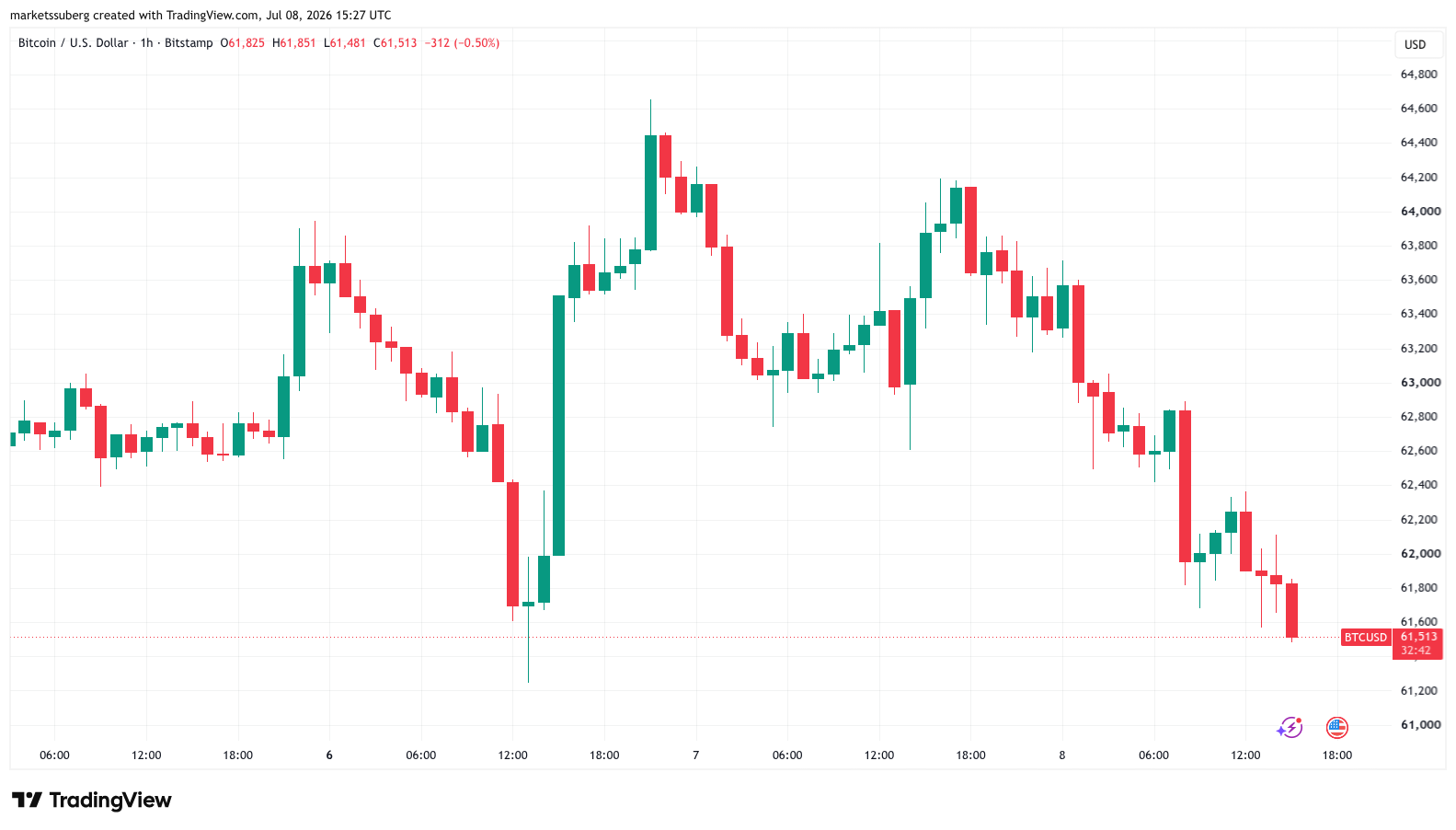
BTC/USD one-hour chart. Source: Cointelegraph/
“To me, I think it’s over,” Trump said about the ceasefire during a press conference at the NATO summit in Ankara, Turkey.
Additional reports claimed that both the US and Iran were considering reimposing a blockade of the Strait of Hormuz oil route.
US WTI crude oil passed $75 per barrel on the day, reaching its highest levels since June 22.
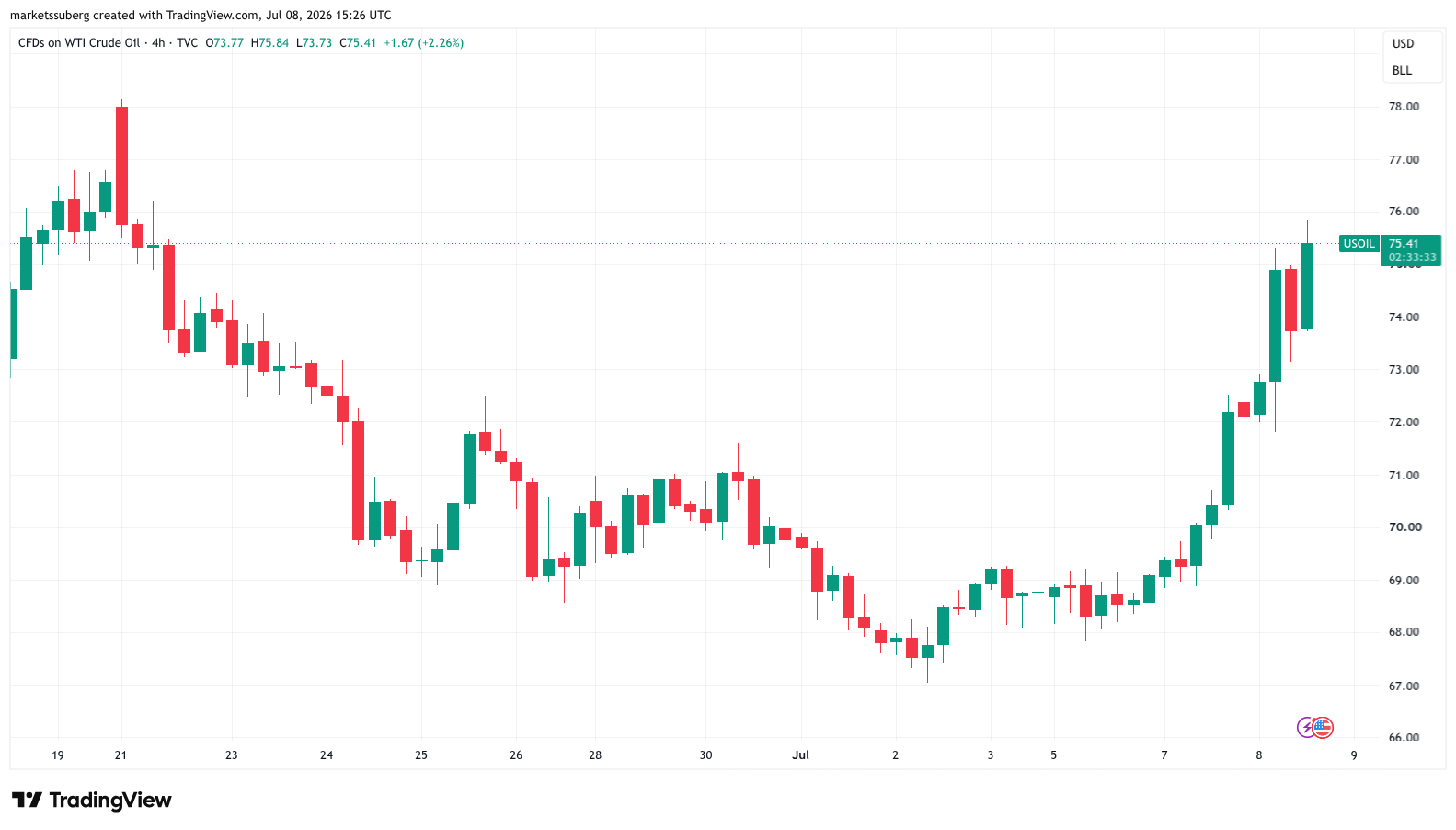
CFDs on US WTI crude oil four-hour chart. Source: Cointelegraph/TradingView
The latest events had an instant impact on expectations over financial policy moves by the US Federal Reserve.
The latest data from CME Group’s FedWatch Tool showed increasing odds of an interest-rate hike coming at the Fed’s September meeting, with July’s still tipped to see rates stay at current levels.
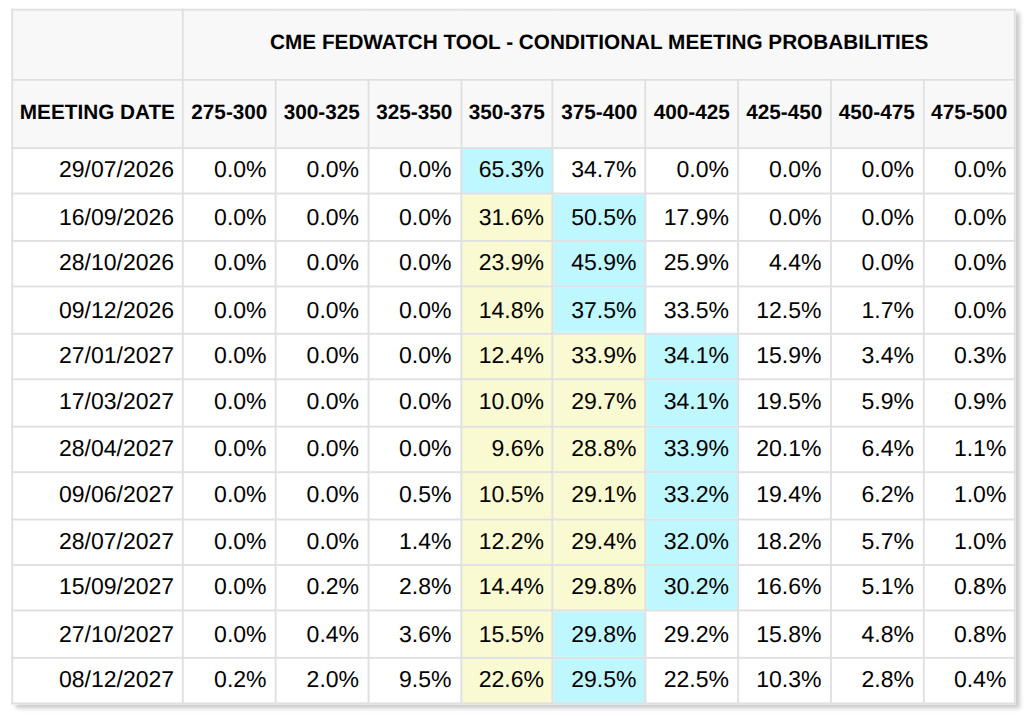
Fed target rate probabilities (screenshot). Source: CME Group
Users on prediction service Kalshi, meanwhile, put the odds of a hike in 2026 at 55%.
Trader names $61,000 as "crucial" BTC price level
Commenting, crypto trader and analyst Michaël Van de Poppe predicted a retest of $61,000 for Bitcoin.
Related:
“This to happen, and then 1-2 days later; we're in talks again. And the markets reverse,” he wrote in a post on X.
Earlier, Van de Poppe said that there was “no problem” visible in BTC price action.
“Price remains hovering above $60,000, despite the fact that the Middle East has reactivated the War again. Other than that, as long as it remains a relatively shallow correction, I don't think we'll start to see lower levels in the markets,” he wrote.
“The crucial level for me is the $61,000 area.”
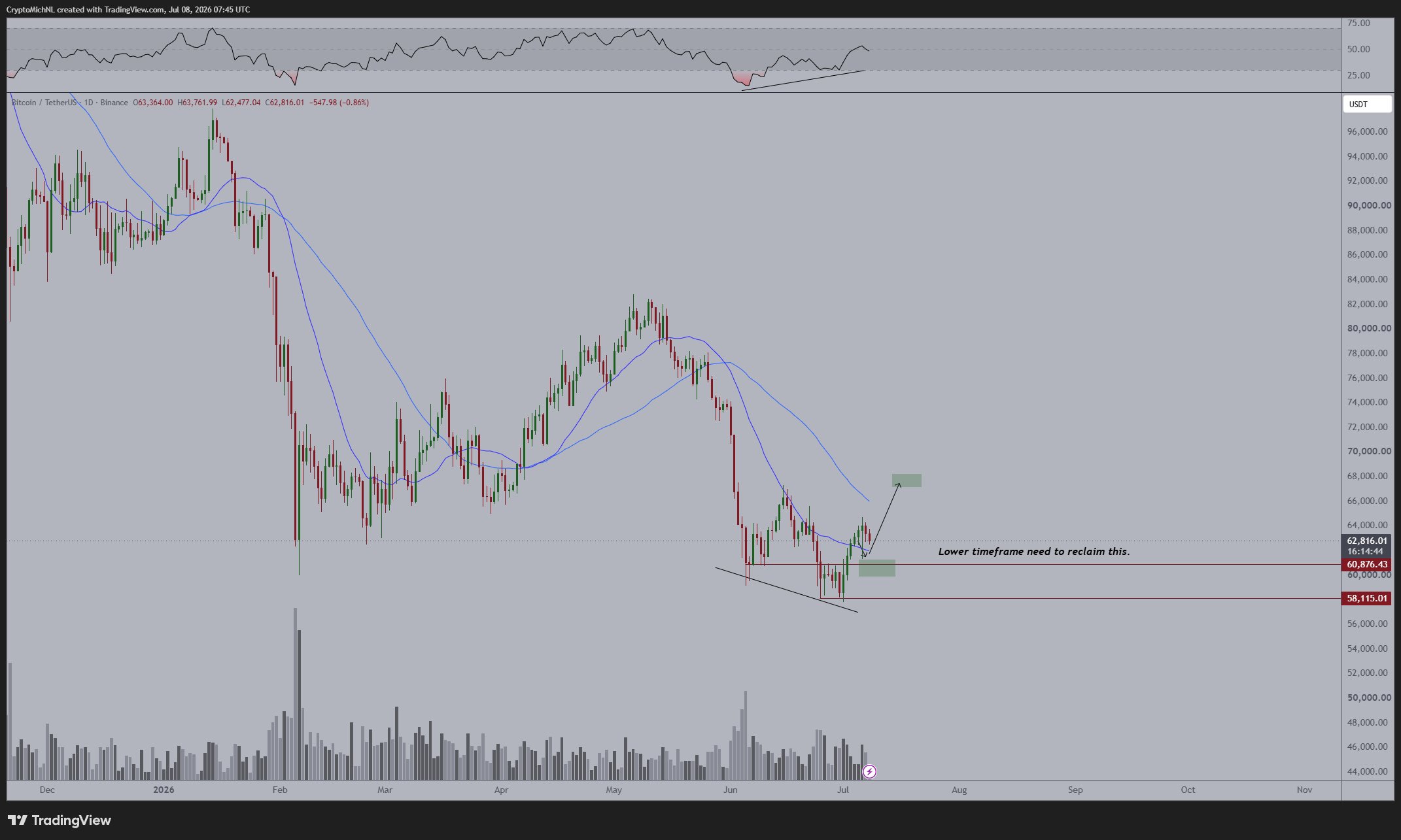
BTC/USDT one-day chart. Source: Michaël Van de Poppe/X
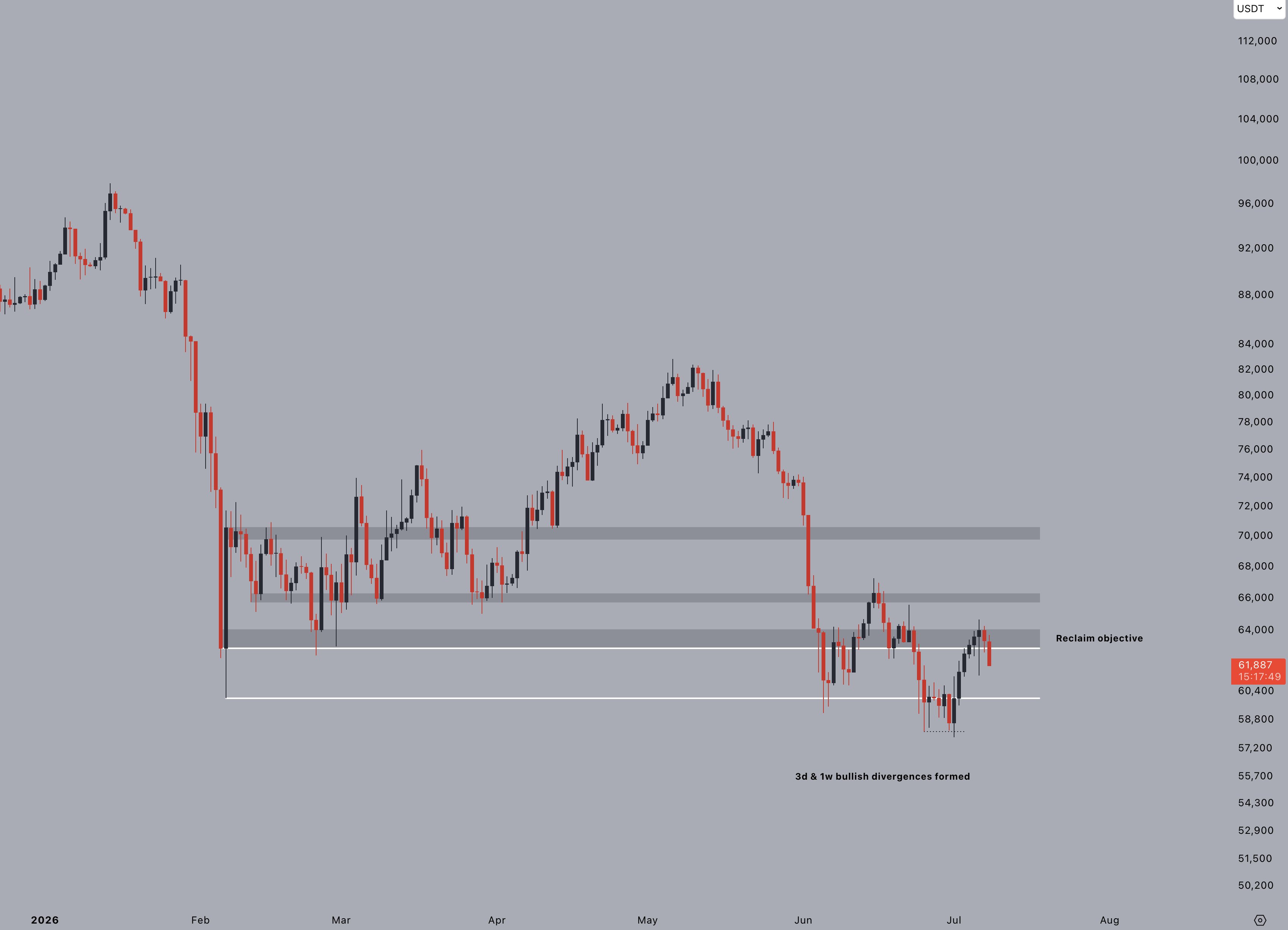
Among traders, anticipation was building over a trip to new local lows.
“Tensions with Iran flaring up again just as $BTC tried to reclaim the previous range lows. Starting to look like we're getting those cheaper accumulation opportunities we were hoping for,” trader Jelle told X followers.
BTC/USD one-day chart. Source: Jelle/X
Disclaimer: The content of this article solely reflects the author's opinion and does not represent the platform in any capacity. This article is not intended to serve as a reference for making investment decisions.
You may also like

Wall Street giants collectively raise rate hike forecasts, US Treasury futures continue to fall, gold drops over 1% to break 4000
After the US October CPI exceeded expectations, Goldman Sachs and Nomura added a forecast for an interest rate hike in March next year, while Deutsche Bank included a forecast for a rate hike in January next year. Currently, the market has fully priced in a 25 basis point rate hike in December, with a 13% probability for a 50 basis point hike. On Wednesday, the US Treasury spot market was closed, but Treasury futures continued to fall, with corresponding yields rising by about 2 to 4 basis points, and spot gold came under pressure, dropping by 1.1%.

No Need to Worry About the Cooling Down of AI Data Center Construction? The US Import Boom Is Unlikely to Subside in the Short Term, Real Impact May Come in 2029
It takes an average of 4.8 years from finalizing investment to starting construction of a data center project, and an additional 2.6 years from construction start to becoming operational. Servers usually cannot be installed until after the building structure and racks are completed. For trade partners such as Taiwan (China), South Korea, and Mexico who rely on US data center supply chain demand, the inertia in construction timelines provides at least a one- to two-year buffer for future exports.

Federal Reserve Major Debate: When Should the Tenure of “Number Three” Williams End?
The main point of contention is whether Williams should step down in June 2028, upon completing a full 10-year term, or in June 2027, when he reaches the mandatory retirement age of 65. Analysts point out that the Federal Reserve Board holds ultimate discretion; if he leaves early, Fed Chair Waller would be able to assert greater control over the appointment to this critical position. However, forcing Williams to shorten his term could easily be interpreted as political manipulation. Williams himself is expected to serve until June 2028.

Crypto prices
More


