
The leading project for El Niño trading..

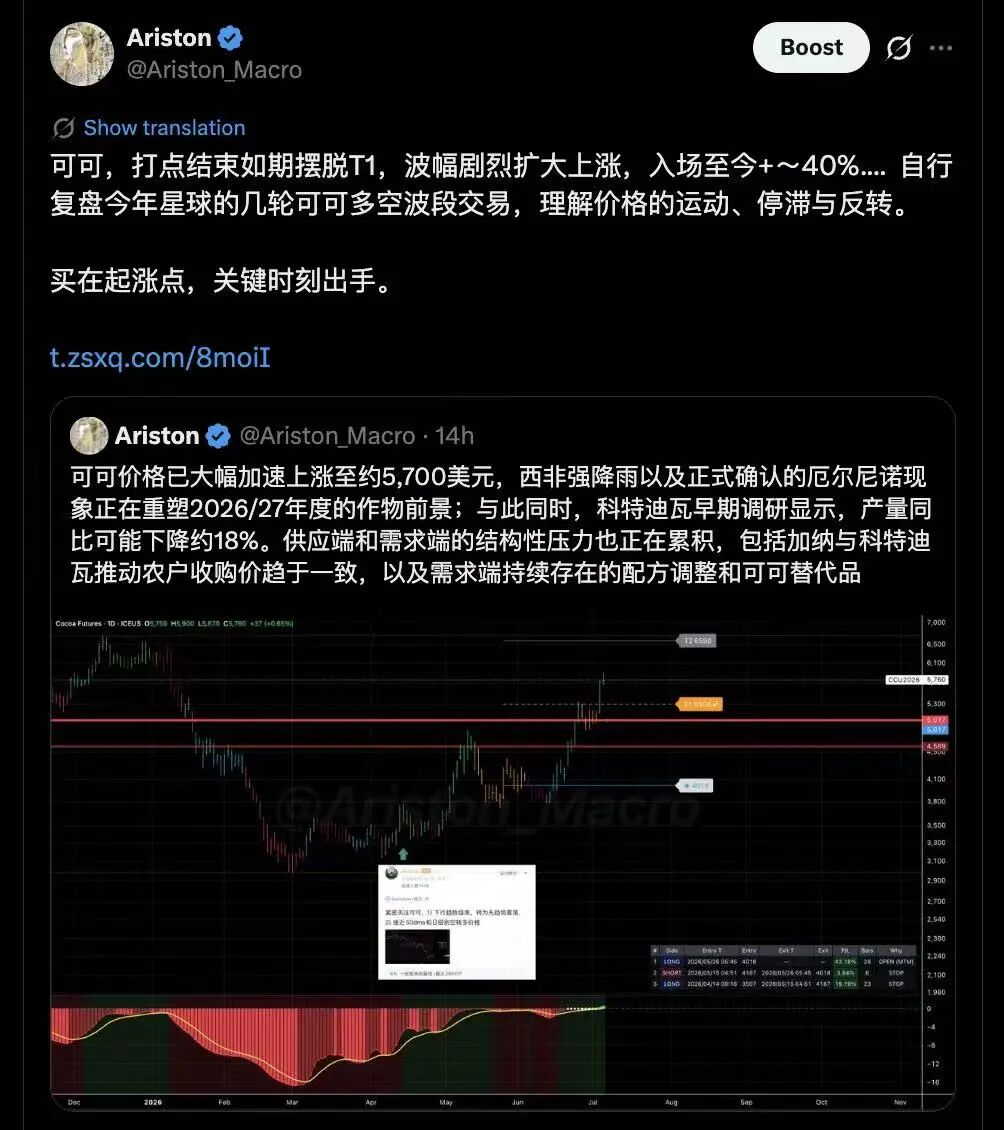
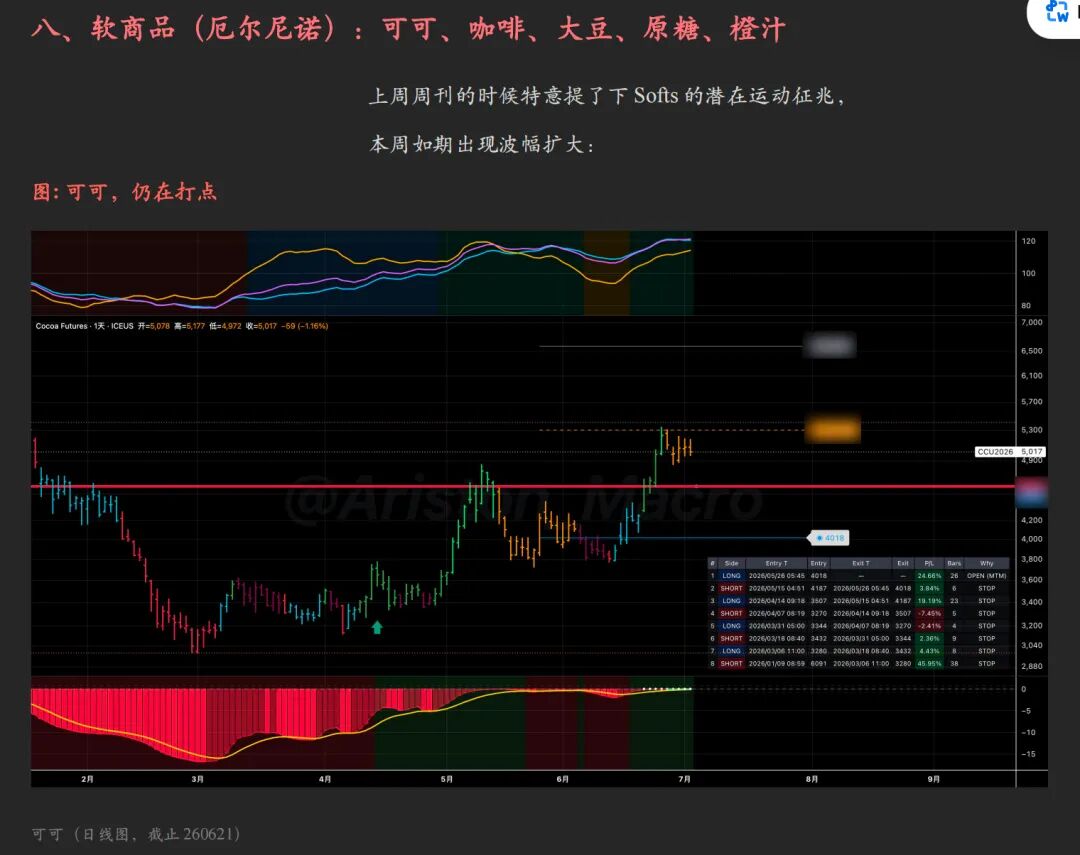
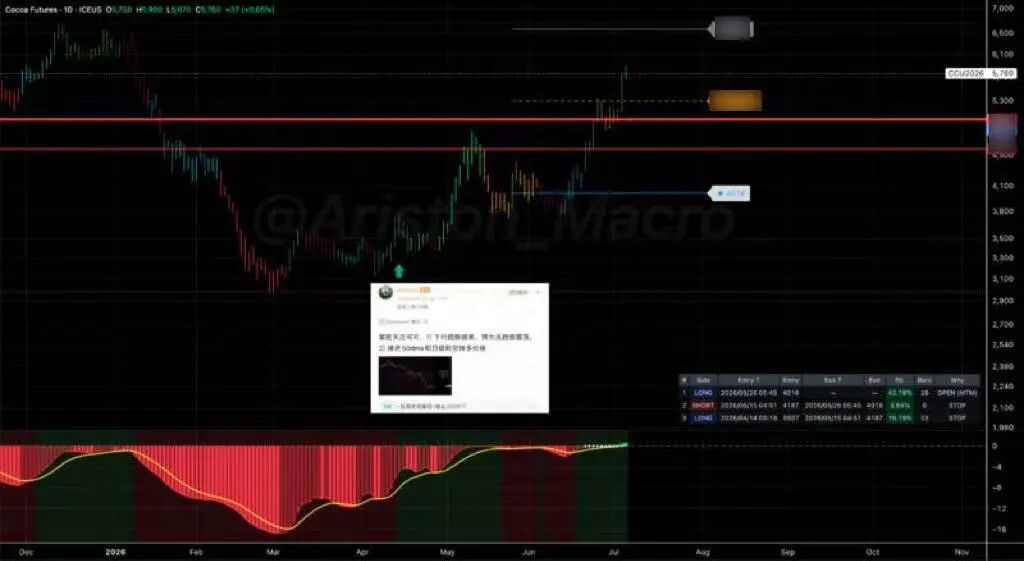
The most important macro implication is climate:By 1H27, global temperature may rise to 1.8-2.0ºC above pre-industrial levels. This level will intensify Asia’s electricity demand and stress due to hydroelectric shortages,and will also increase short-term volatility in temperature, rainfall, and logistics in the Americas.
Specifically, firstly, droughts in Asia and Australia, with rainfall patterns diverging in other regions, will bring shocks to soft commodities and regional food supply. Second, weak monsoons and falling reservoir levels will drive up local thermal power and LNG demand. Third, export restrictions and alternative trade pathways will amplify global price transmission. Fourth, surging cooling demand, coupled with hydroelectric shortages, will trigger regional energy price spikes. Fifth, while high global grain inventories may contain systemic shortages, they cannot prevent localized scarcities and price volatility.
South Asia and Southeast Asiahave already exhibited below-normal rainfall and high temperature risks, making soft commodities and food chains such as rice, sugar, palm oil, coffee, cotton, and pulses especially sensitive.Australiais also showing widespread insufficient rainfall across the country, increasing the risk of downward revisions in wheat and barley exports.
Latin America shows greater differentiation, with drought in the north affecting coffee, sugar, and staple crops;South Asia is the primary transmission zone for near-term global commodity risk. Current forecasts point to below-normal monsoon levels, with rainfall around 90% of long-term averages, and high probability of local deficits.
India’s position in rice, sugar, cotton, pulses and the global food trade means that any production shortfall can quickly translate into export restriction risk; once export bans or stock release policies are enacted, price shocks will spread from local supply and demand to the global trade chain.
Weather sensitivity will also impact logistics chains, for example, copper mining, ports, rail, and road transport, leading to a risk-based upward bias in metals.
...
Of course, weather and news ultimately come down to price action; as long as we pay attention to the price, that's what matters.
...

For detailed monitoring of technology sector rotations, see Planet.

...

Disclaimer: The content of this article solely reflects the author's opinion and does not represent the platform in any capacity. This article is not intended to serve as a reference for making investment decisions.
You may also like

Wall Street giants collectively raise rate hike forecasts, US Treasury futures continue to fall, gold drops over 1% to break 4000
After the US October CPI exceeded expectations, Goldman Sachs and Nomura added a forecast for an interest rate hike in March next year, while Deutsche Bank included a forecast for a rate hike in January next year. Currently, the market has fully priced in a 25 basis point rate hike in December, with a 13% probability for a 50 basis point hike. On Wednesday, the US Treasury spot market was closed, but Treasury futures continued to fall, with corresponding yields rising by about 2 to 4 basis points, and spot gold came under pressure, dropping by 1.1%.

No Need to Worry About the Cooling Down of AI Data Center Construction? The US Import Boom Is Unlikely to Subside in the Short Term, Real Impact May Come in 2029
It takes an average of 4.8 years from finalizing investment to starting construction of a data center project, and an additional 2.6 years from construction start to becoming operational. Servers usually cannot be installed until after the building structure and racks are completed. For trade partners such as Taiwan (China), South Korea, and Mexico who rely on US data center supply chain demand, the inertia in construction timelines provides at least a one- to two-year buffer for future exports.

Federal Reserve Major Debate: When Should the Tenure of “Number Three” Williams End?
The main point of contention is whether Williams should step down in June 2028, upon completing a full 10-year term, or in June 2027, when he reaches the mandatory retirement age of 65. Analysts point out that the Federal Reserve Board holds ultimate discretion; if he leaves early, Fed Chair Waller would be able to assert greater control over the appointment to this critical position. However, forcing Williams to shorten his term could easily be interpreted as political manipulation. Williams himself is expected to serve until June 2028.

Crypto prices
More


