
With the new Federal Reserve Chairman's hearing imminent, will it reshape rate cut expectations?

Morning FX
Tuesday (21st),Federal Reserve Chair nominee Kevin Warsh faces his final test: Senate hearing. Previously, Trump was eager for him to take office, but due toSenator Tillis’ obstruction (on the condition that accusations against Powell be dropped), it was postponed. With the Department of Justice dropping the investigation into Powell, Warsh’s prospects of assuming the Fed chair in May are drawing closer.
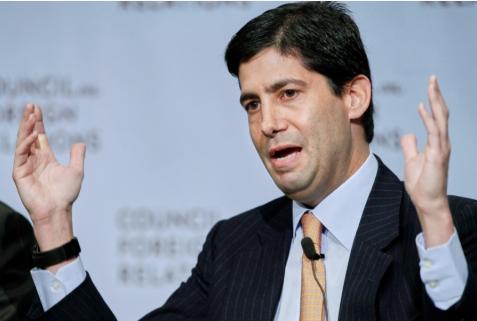
Image: The wealthiest Fed chair with a net worth of $130 million
Warsh will be facing a complex situation upon taking office: on one hand, the quagmire of war is pushing oil prices higher and fueling a rebound in inflation; on the other hand, the Federal Reserve itself is divided (Governor Milan is still calling for three rate cuts this year), combined with Trump’s influence on monetary policy and a stock market characterized by heightened risk sentiment.
I. Facing a “Test of Resilience” Right Upon Taking Office
Warsh supports controlling the Fed’s balance sheet but also emphasizes the importance of forward-looking monetary policy. Before this round of oil price increases,Warsh was one of the few who supported preemptive rate cuts, which was a main reason the market was expecting greater room for rate cuts at the start of the year.
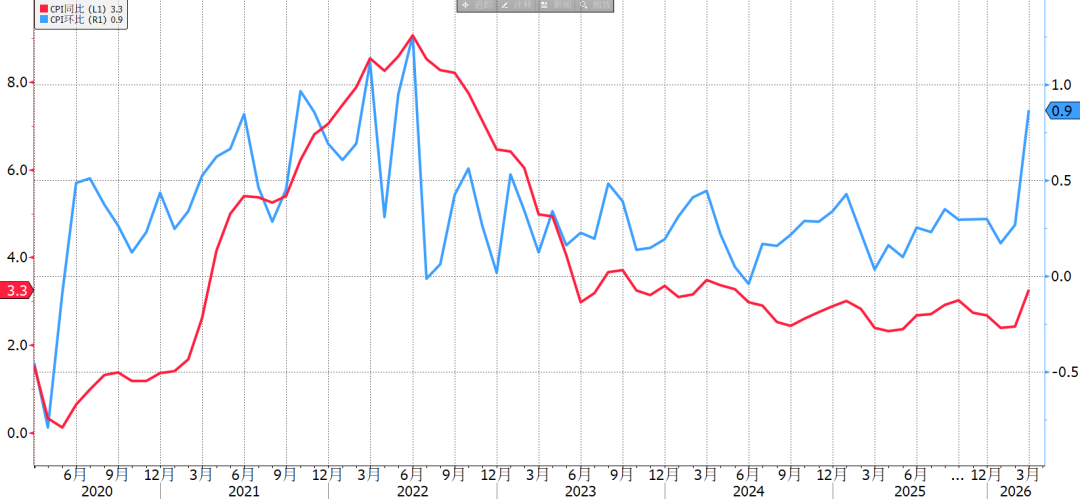
Image: March CPI sharply rebounded
However, rising oil prices drove a substantial month-on-month rebound in March’s CPI, clouding the outlook for rate cuts. At the peak of panic in March, the market even priced in a rate hike; now, just 0.4 rate cuts are expected this year.
Although Warsh is considered potentially dovish, he is likely to emulate Powell in his early days and refrain from rash moves. With Trump eagerly awaiting the man he nominated, it remains to be seen whether Warsh can show enough resilience to safeguard the Fed’s reputation for independence.
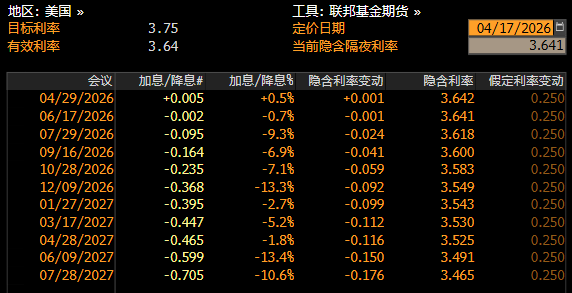
Image: Almost no hope for rate cuts this year
II. Beyond Rate Cuts, What Else Should Be Watched?
One is the Fed’s balance sheet trajectory. Since December 2025, the Fed has stopped QT and maintained the balance sheet at around$6.7 trillion by rolling over Treasuries. Warsh hopes to shrink the balance sheet to about $4 trillion; he has long criticized the current size for causing severe capital misallocation, claiming that excess liquidity is the root cause of inflation.
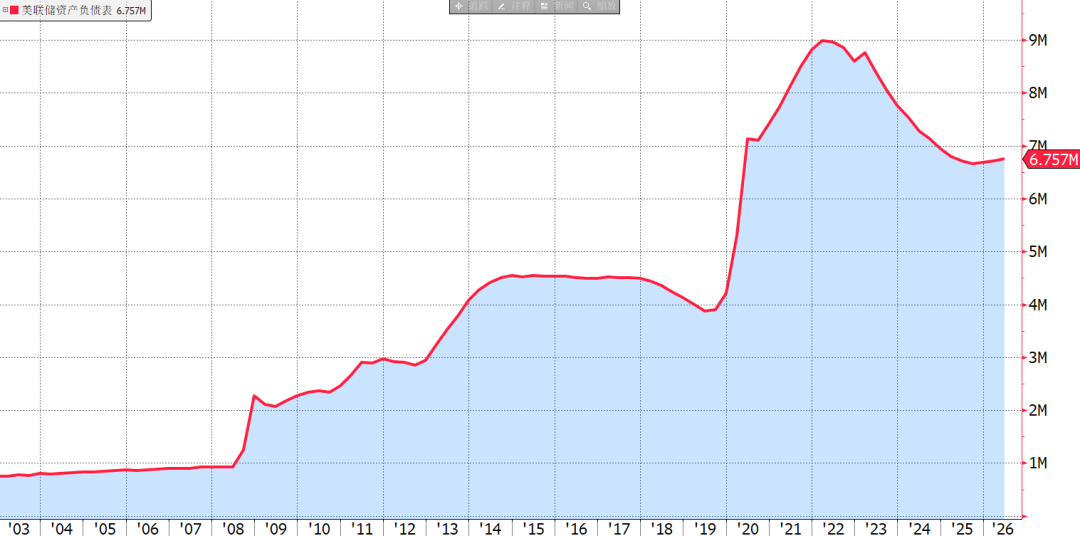
Image: Fed’s balance sheet
But this year, dollar liquidity has already been tight, with onshore USD interbank rates and implied swap rates remaining high. If balance sheet reduction resumes, it will hit already fragile short-term liquidity.
Secondly, persistently high long-term interest rates. The U.S. Treasury yield curve is no longer inverted but long-end yields remain elevated. Since the Fed’s rate cut in September 2024, the policy rate fell from 5.5% to 3.75%, the two-year yield dropped from 4.9% to 3.7%, yet the ten-year Treasury yield is still unchanged at a high 4.3%. High rates threaten government financing costs, leverage risks, and the stock market.
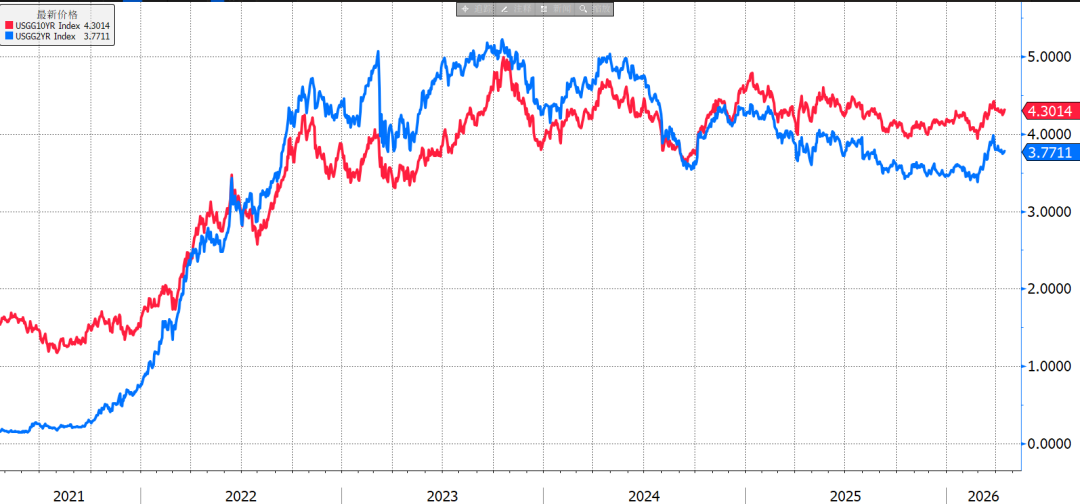
Image: Elevated long-term rates
III. Summary
(1) Warsh’s path to office is accelerating, and if his performance at the hearing is solid, he will likely officially become the new Fed chair in May.
(2) Once in office, he will face both a rebound in inflation and a test of the Fed’s independence. Should he push to shrink the balance sheet, it will also impact market liquidity.
Disclaimer: The content of this article solely reflects the author's opinion and does not represent the platform in any capacity. This article is not intended to serve as a reference for making investment decisions.
You may also like
Jensen Huang's sudden resignation shrouded in suspicion: Did the White House secretly intervene? Is a return possible in the future?
Only a few days separated Jensen Huang’s strong support from the board last Sunday and his late-night resignation on Wednesday. Multiple reports of the Wednesday night Nvidia board meeting were co-authored by Washington-based journalists—who do not typically cover Nvidia—fueling rumors of "White House pressure and information leaks." Huang’s unique value lies in leveraging his personal reputation to secure the supply chain and drive the implementation of technological roadmaps, making him difficult to replace. Some analysts note that, drawing on examples such as Steve Jobs’ return to Apple, it is possible that Huang may come back in the future.
Gold recovers from YTD low, retakes $3,900; Fed hike bets and bullish USD to cap gains
Cerebras (CBRS.US) Cloud Business Soars, Masking Hardware Decline; OpenAI Supports Half of Cloud Revenue
Cerebras achieved record Q3 revenue, but hardware income dropped by nearly 30%, while cloud business accounted for two-thirds of total revenue. OpenAI contributed $72.4 million. The company raised its full-year guidance and expects Q4 to be close to breakeven.
Crypto prices
More


