
"Reverse perfect storm" sweeps US stocks! Citi shouts: Software stocks may see a revenge rebound, US stocks' "from points to surface" surge pattern takes shape this summer

According to English, Scott Chronert, Head of U.S. Equities Strategy at Citigroup, stated in a recent interview that as U.S. stocks enter a pivotal earnings reporting season, the technology sector is experiencing what can be called a “reverse perfect storm.”
Chronert explained that although the semiconductor, software, and hyperscale data center sectors have recently faced markedly different market pressures, the robust quarterly results about to be released are expected to further validate the current investment logic surrounding artificial intelligence. This would powerfully reinforce the leading market position of major tech giants. The core logic behind this prediction is that investors are now eagerly seeking fundamental confirmation to prove that the significant earnings beats and upward guidance revisions over the past few quarters are not merely fleeting, but rather supported by sustainable growth momentum.
The current macro environment underscores this theory. After tensions in Iran showed signs of easing, market sentiment shifted drastically from extreme risk aversion to risk-on, propelling the S&P 500 to record highs and the Nasdaq to an eleven-day consecutive rally. This repositioning of the market is strikingly similar to what happened in early April last year when geopolitical tensions eased, with investor confidence visibly reflected in the historic volatility and gains of heavyweights like Oracle (ORCL.US) and Microsoft (MSFT.US). Chronert believes that this shift in sentiment not only alleviates short-term market anxiety but also drives up the pricing of risk assets, paving the way for a tech-led earnings rebound.
At the industry level, while Citigroup Research remains bullish on the long-term potential of semiconductors, Chronert has not overlooked the valuation pressures that the software industry and hyperscale data center operators currently face. His definition of a “reverse perfect storm” is rooted in this divergence: since negative expectations have already been overly priced in for previously underperforming sectors like software, any outperformance in upcoming earnings would spark a powerful retaliatory rebound from a very low baseline. This performance-driven valuation recovery will likely allow technology stocks to continue “leading in a narrow band” in the short term, buying crucial time for the broader market to digest ongoing macro uncertainty.
Looking ahead to the coming months, Chronert emphasized the possibility of a shift in market leadership from “concentrated” to “broad-based.” He argues that as long as tech companies consistently validate their current high valuations with earnings results and geopolitical risks become more transparent, market focus will gradually expand from a few large technology stocks to diverse sectors across industries. This transition from a concentrated to a broad-based rally is expected to take shape gradually over the summer, assuming investors gain clearer pathways to resolving global geopolitical concerns. Overall, this “reverse perfect storm” is not only a moment of self-validation for technology stocks but also a crucial juncture for U.S. equities to pivot from risk aversion to growth driven by fundamentals.
Disclaimer: The content of this article solely reflects the author's opinion and does not represent the platform in any capacity. This article is not intended to serve as a reference for making investment decisions.
You may also like
British Pound extends losing streak against US Dollar, US PPI in focus
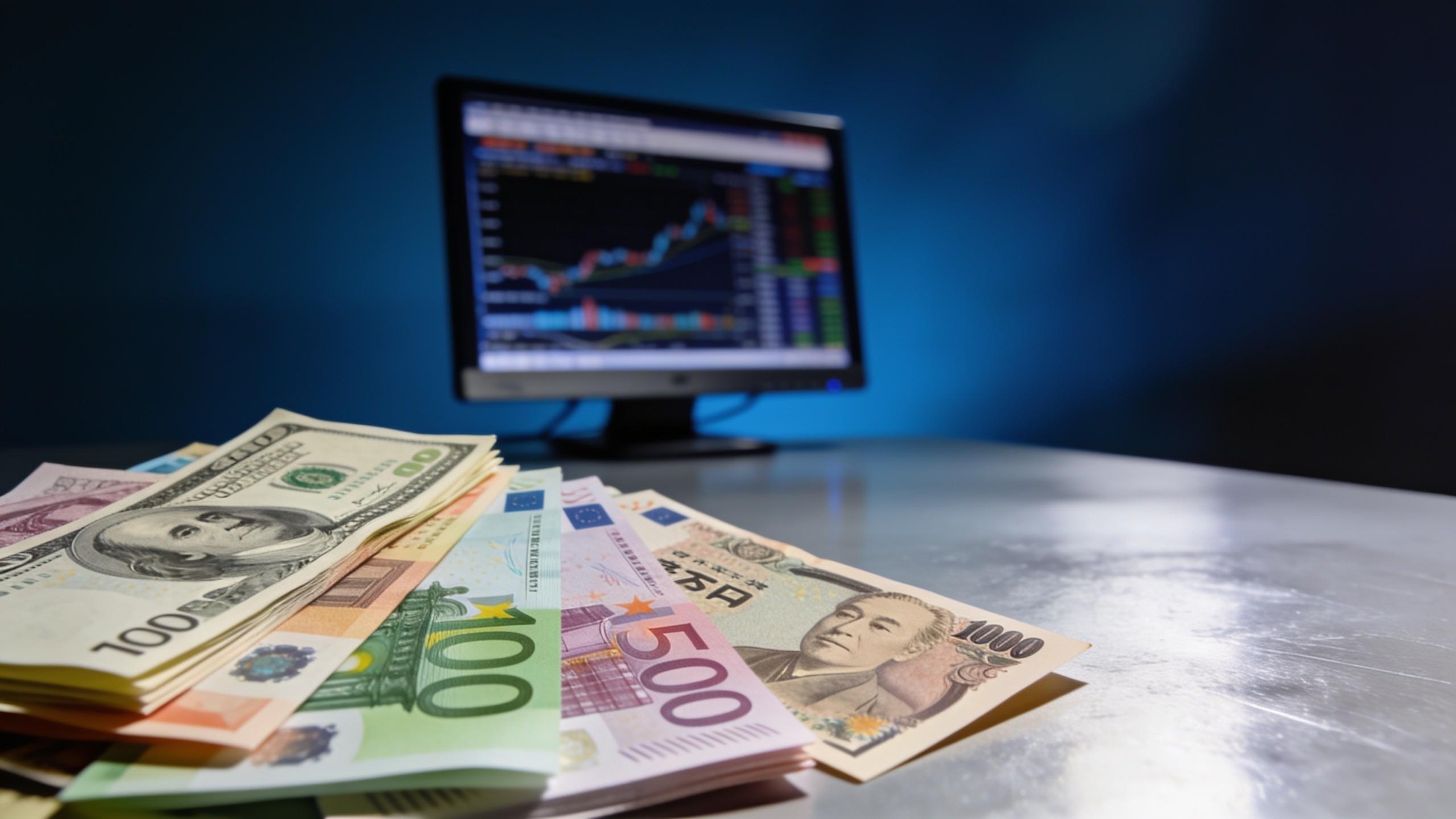
Barclays: US-Iran conflict unlikely to end in next 12 months, oil exports near 85% of pre-war level

Jensen Huang's sudden resignation shrouded in suspicion: Did the White House secretly intervene? Is a return possible in the future?
Only a few days separated Jensen Huang’s strong support from the board last Sunday and his late-night resignation on Wednesday. Multiple reports of the Wednesday night Nvidia board meeting were co-authored by Washington-based journalists—who do not typically cover Nvidia—fueling rumors of "White House pressure and information leaks." Huang’s unique value lies in leveraging his personal reputation to secure the supply chain and drive the implementation of technological roadmaps, making him difficult to replace. Some analysts note that, drawing on examples such as Steve Jobs’ return to Apple, it is possible that Huang may come back in the future.
Gold recovers from YTD low, retakes $3,900; Fed hike bets and bullish USD to cap gains
Crypto prices
More


