
Bond Market: Allocation Behavior Reappears

On January 7 this year, we discussed the possibility of a shift in the bond market (see "Discussion on the Bond Market at the Beginning of the Year"). Looking back, that was a good buying opportunity. Notably, as long-term interest rates rose, allocation activities from banks and insurance institutions have recently reappeared.Does the return of allocation activities indicate that interest rates are near a stage high?
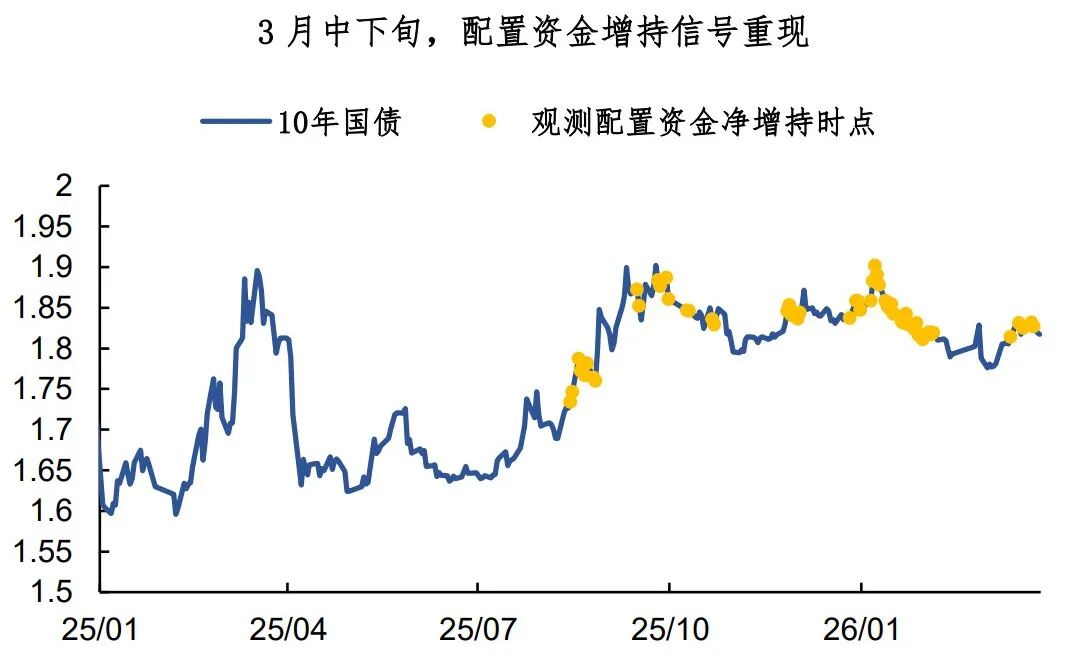
To resolve this question, it's first necessary to understand the reasons behind this round of bond market adjustments.Since March, the rise in long-term interest rates mainly reflects the pricing in of inflation expectations.As the impact of soaring oil prices since the Iran-Israel conflict gradually manifests, there is further room for industrial goods prices to rise. It is expected that the PPI year-on-year will likely turn positive around April or May.
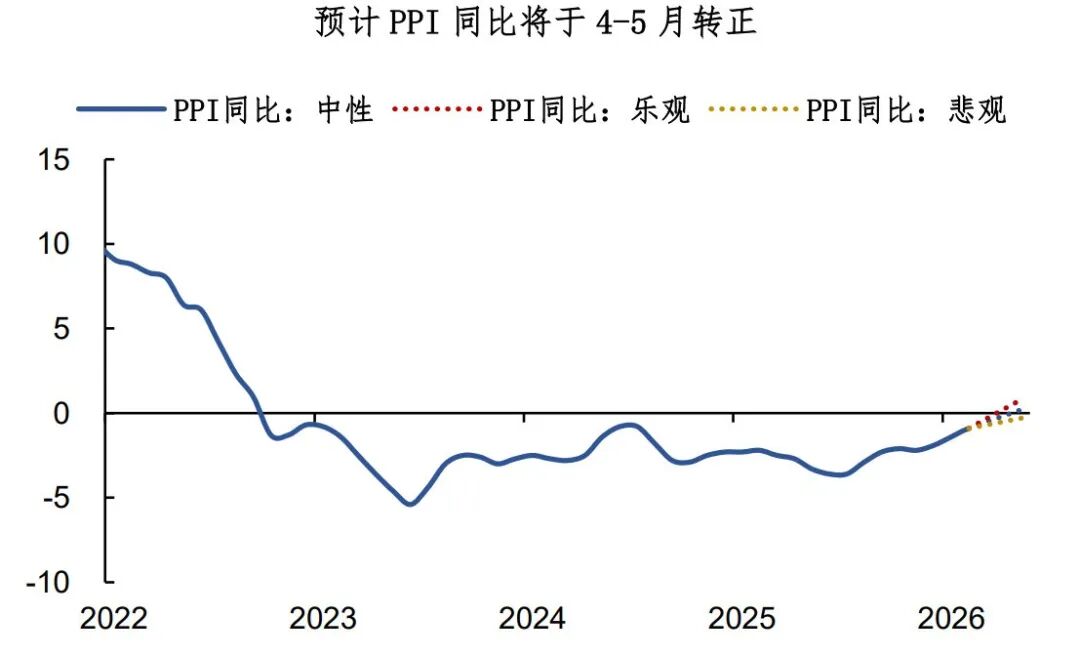
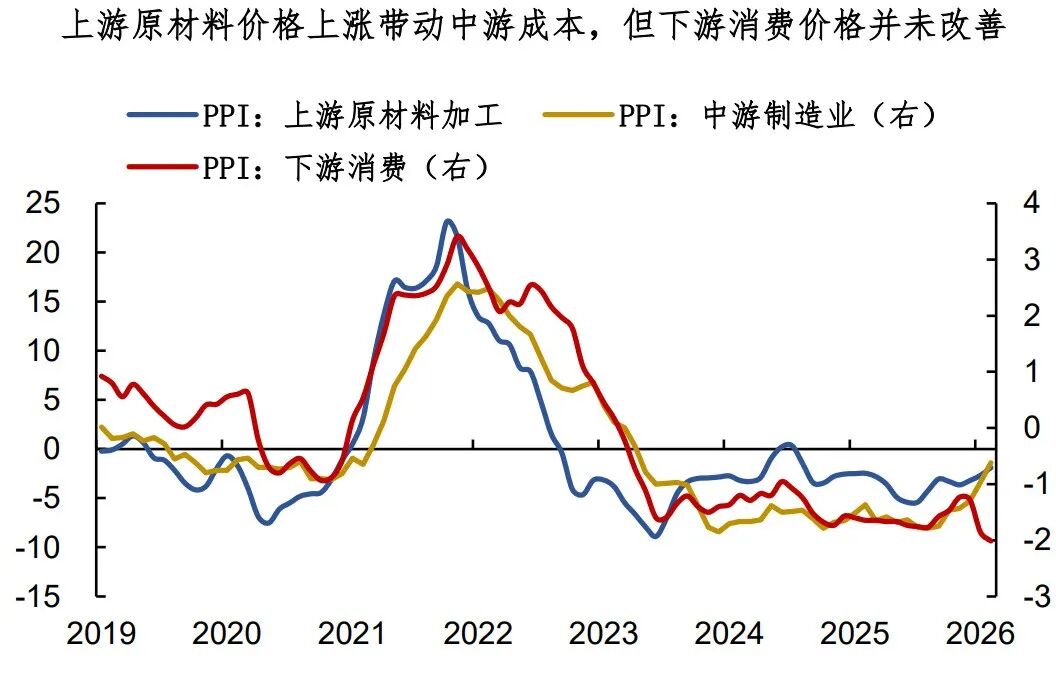
However, from a medium-term perspective, “imported inflation” has yet to drive up consumer goods prices, making it hard for monetary policy to influence the interest rate center.Looking at the household sector, the current data across income, employment, retail, real estate sales, and credit are all neutral to slightly weak, so a supportive monetary policy stance needs to continue. Overall easing is just a matter of time.
Since the direction of monetary policy is unchanged and bond yields remain within a range, the return of allocation behavior is still an important signal.In terms of relative value, the 10-year government bond yield of 1.8%-1.9% is already close to the actual return on loans, so the allocation value has rebounded. Of course, the sustainability of allocation activities under cross-quarter effects remains to be seen, but at least the current long-end prices are somewhat attractive.
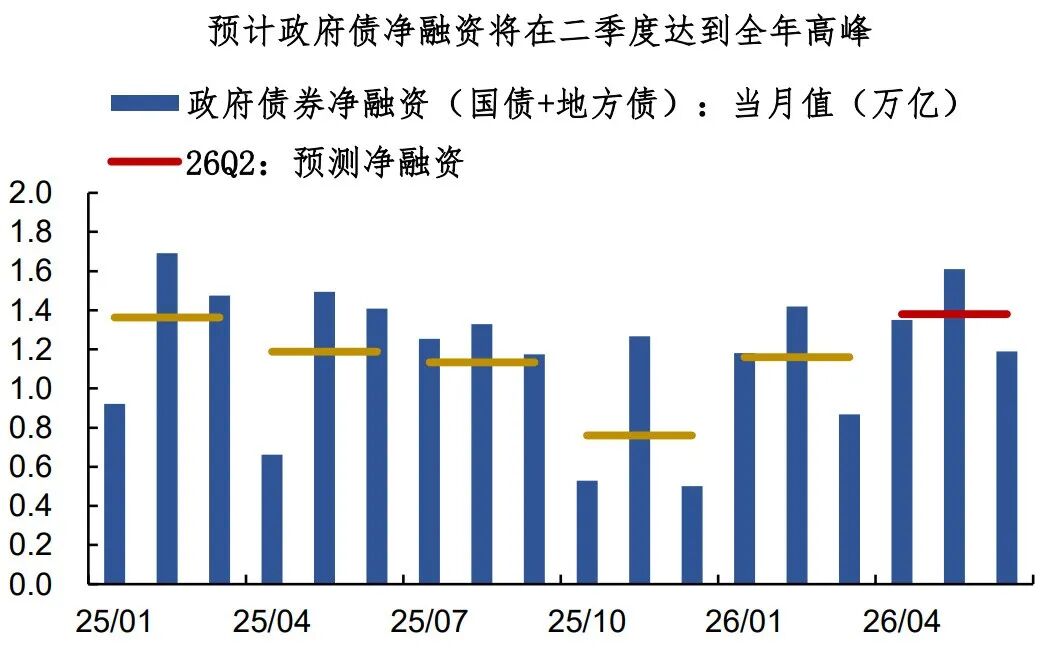
In terms of timing, the next wave of fiscal stimulus is worth watching, especially as the issuance of ultra-long special government bonds begins, with fiscal strength possibly peaking around May.For 2025 and 2026, fiscal moves have been somewhat brought forward. Analyzing based on issuance plans and maturity volumes, net government bond financing in Q2 (expected to be 4.2 trillion RMB) is likely to reach an annual high.
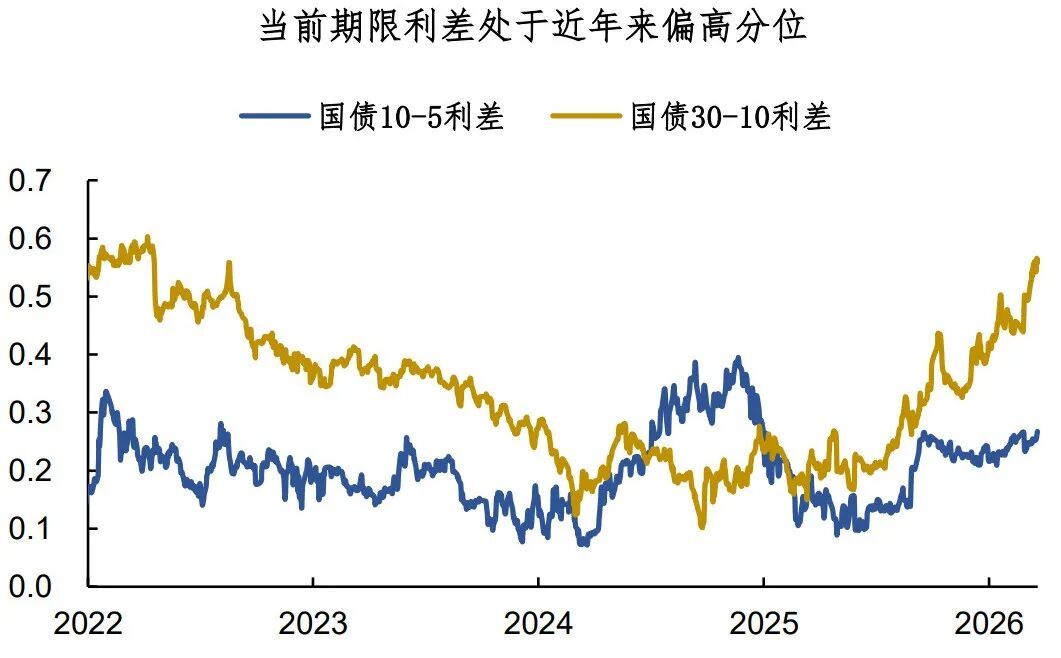
Overall, we believe that inflation and fiscal factors will provide medium-term support for a relatively high term spread, but in terms of pace, the bond market is not pessimistic in April.The monetary policy stance remains unchanged, so carry trades in medium-term maturities (such as 5-7Y policy bank bonds) are a good choice.
To summarize today's discussion:
1. As long-term interest rates rise, institutions have recently resumed allocation activities. Since the direction of monetary policy has not changed and bond yields are still oscillating in a range, allocation behavior remains an important signal;
2. We expect year-on-year PPI to possibly turn positive in April-May, and fiscal strength may peak around May. Both these factors structurally support term spreads, with the current 30-10 and 10-5 year spreads at relatively high levels in recent years;
3. In terms of timing, the bond market is not pessimistic in April overall. With the monetary policy stance unchanged, carry trades in medium-term maturities (like 5-7Y policy bank bonds) are a good choice.
Disclaimer: The content of this article solely reflects the author's opinion and does not represent the platform in any capacity. This article is not intended to serve as a reference for making investment decisions.
You may also like
Nvidia falls to its lowest valuation in 14 years! "Super bull" Tom Lee calls for bottom fishing, retail investors are buying more as it drops, but Wall Street is divided
After the market opened on Thursday, retail investors went against the trend and bought up Nvidia, with net purchases reaching $111 million in just half an hour, setting a record for the same period. Investors such as Tom Lee have publicly supported the company, with institutions optimistic about strong order backlogs extending to 2028, robust revenue growth, and opportunities created by declining valuations. Meanwhile, institutions like Bernstein and Goldman Sachs have become more cautious about Nvidia's outlook, with concerns focusing on management succession and technological leadership following Jensen Huang's departure.
Jane Street boosts Fidelity Bitcoin ETF stake 8x in Q3, trims BlackRock IBIT

From SpaceX to Anthropic, the market has new strategies for dealing with tech giants' IPOs
The market's response strategies to major listings are currently centered around "index inclusion expectations": the new regulations allow mega IPOs to be included in the six major indices within 15 days, triggering concentrated buying by passive funds. Investors are positioning themselves in advance and using options to hedge and amplify buying power. However, Anthropic has a free float of only about 6%; shares available for sale by employees on the first day and privately placed shares with no lock-up period may create supply pressure. On the other hand, index arbitrageurs are facing a rare opportunity.

Nvidia Q3 Earnings Preview: Revenue Expectations and Key Metrics to Watch
Crypto prices
More


