
You can call it a coincidence if you want

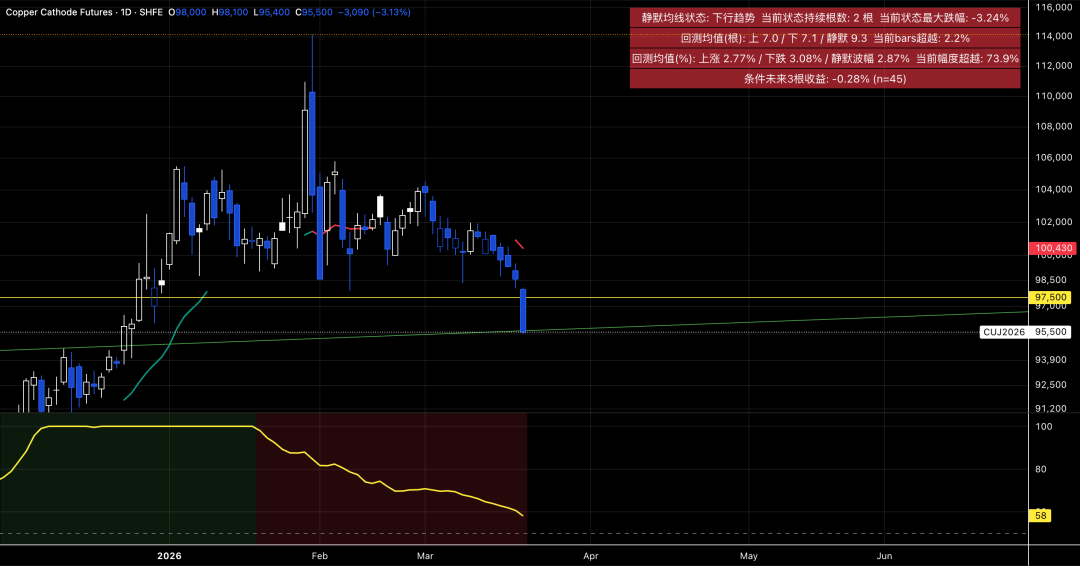
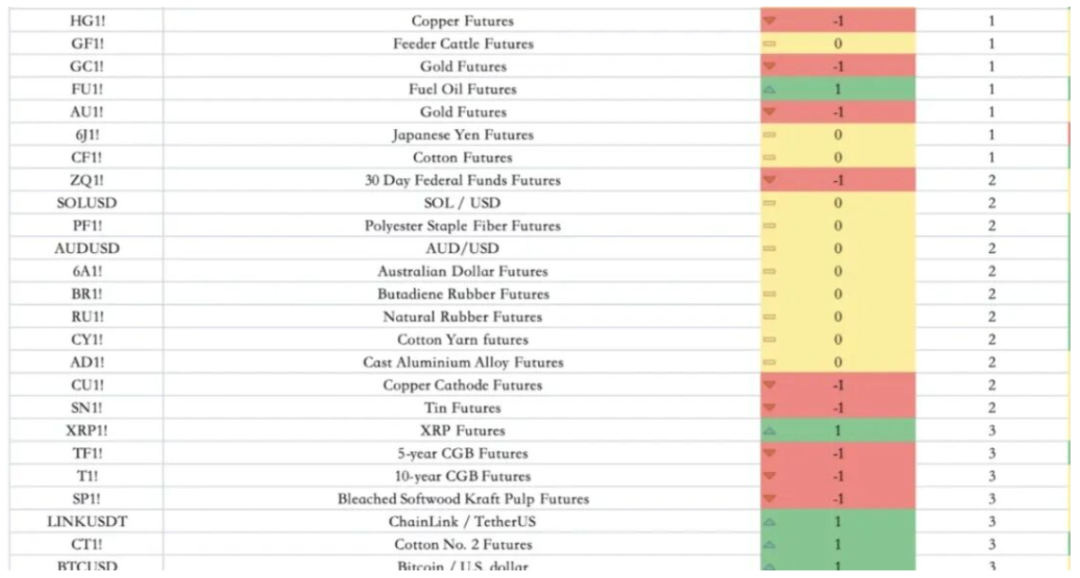 The importance of Planet’s data lies in: 1) pinpointing the structure of global core assets most clearly and in the shortest amount of time, 2) being ahead of others by 1–3 candlesticks. Anyone who’s spent time in the market knows just how valuable, and difficult, those 1–3 candlesticks are... In fact, the ultimate pursuit of all technical analysis is to be ahead of the market as much as possible while remaining steady. As always, only by “buying/selling before it starts,” can you gain a real advantage. ... As you use the data panel more extensively, you’ll slowly realize that regardless of the asset, there are only a few types of price patterns in reality. Day, week, month — up, down, flat; six factors in combination, and under the multi-timeframe state space perspective, there are only twenty-seven possible structural arrangements in total, and the operating modes under the same trend are highly similar. This is why I always say that the name doesn’t matter. No matter what you call it, from the US dollar to gold, from corporate bonds to value assets in stock markets to speculative targets, large or small market caps, from forex to Coin, or even real economic data as a result of social function, real estate prices, population trends, family relations, or career development. In a human’s entire life, from birth to death, ultimately you’re only ever dealing with one of those fixed 1/27 states. Don’t focus on the outcome as a phenomenon — focus on the more fundamental structural factors that led to it.
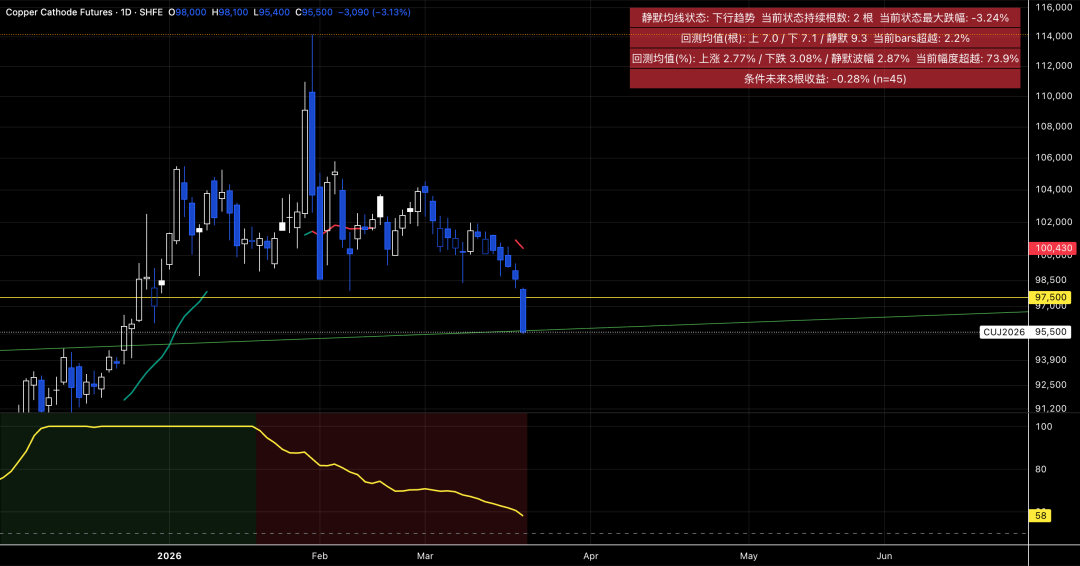 Still this chart: 1) After breaking below the key level of 97500 which we had previously marked, the decline rapidly intensified (see yellow line on the chart). 2) Near the annual-level support line we marked weeks ago, downward trading started to stall (see green line on the chart). None of Planet’s lines are drawn at random; every line has significance. The lines we draw are fundamentally different from those drawn elsewhere — developing your own “taste” for lines is also very important.
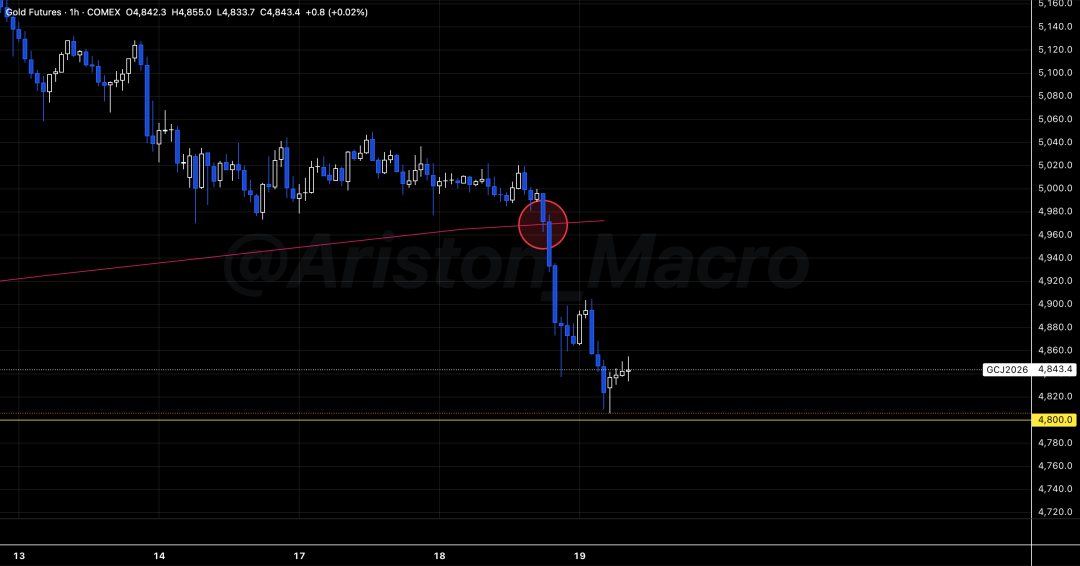 Gold: 1) Panic drop after breaking below the red circle; 2) precise support at 4800;
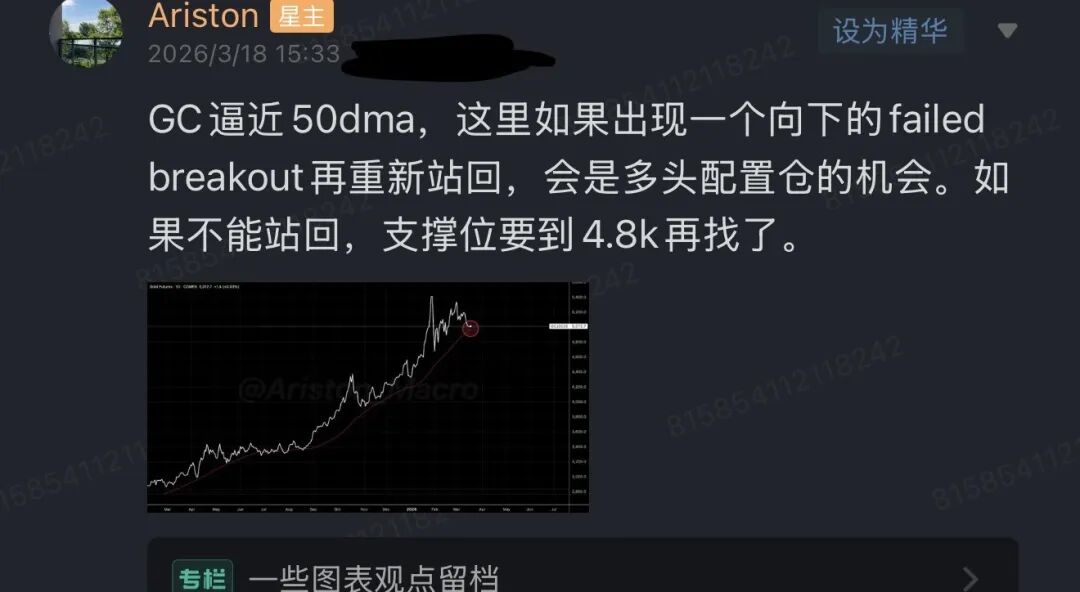
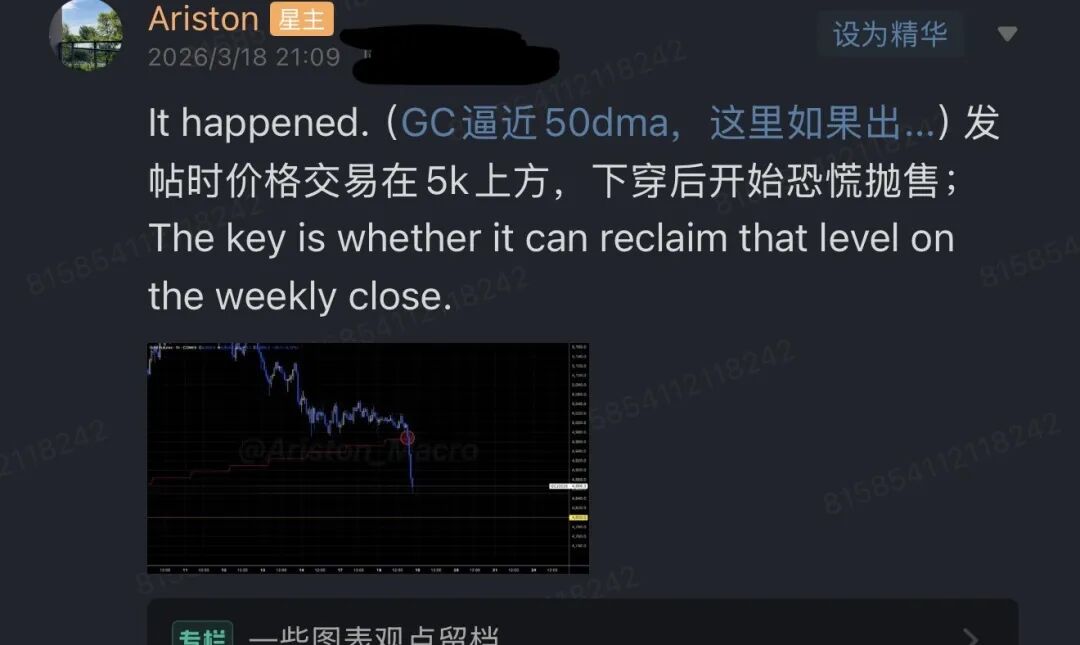 You can call it a coincidence if you want. ...
 ...
 Figure: We will synchronize updates on the internal global assets + China-US macro ETF status board on Cross-Asset Planet
Disclaimer: The content of this article solely reflects the author's opinion and does not represent the platform in any capacity. This article is not intended to serve as a reference for making investment decisions.
You may also like
US PPI report to test Bitcoin, gold and Nasdaq as December rate hike looms
Nvidia falls to its lowest valuation in 14 years! "Super bull" Tom Lee calls for bottom fishing, retail investors are buying more as it drops, but Wall Street is divided
After the market opened on Thursday, retail investors went against the trend and bought up Nvidia, with net purchases reaching $111 million in just half an hour, setting a record for the same period. Investors such as Tom Lee have publicly supported the company, with institutions optimistic about strong order backlogs extending to 2028, robust revenue growth, and opportunities created by declining valuations. Meanwhile, institutions like Bernstein and Goldman Sachs have become more cautious about Nvidia's outlook, with concerns focusing on management succession and technological leadership following Jensen Huang's departure.
Jane Street boosts Fidelity Bitcoin ETF stake 8x in Q3, trims BlackRock IBIT

From SpaceX to Anthropic, the market has new strategies for dealing with tech giants' IPOs
The market's response strategies to major listings are currently centered around "index inclusion expectations": the new regulations allow mega IPOs to be included in the six major indices within 15 days, triggering concentrated buying by passive funds. Investors are positioning themselves in advance and using options to hedge and amplify buying power. However, Anthropic has a free float of only about 6%; shares available for sale by employees on the first day and privately placed shares with no lock-up period may create supply pressure. On the other hand, index arbitrageurs are facing a rare opportunity.
Crypto prices
More


