
Crypto, banks need to be a ‘bit unhappy’ for bill to advance: Senator

A US Senate Democrat says crypto and banking lobbies will both have to accept compromises amid a new proposal to move the crypto market structure bill forward.
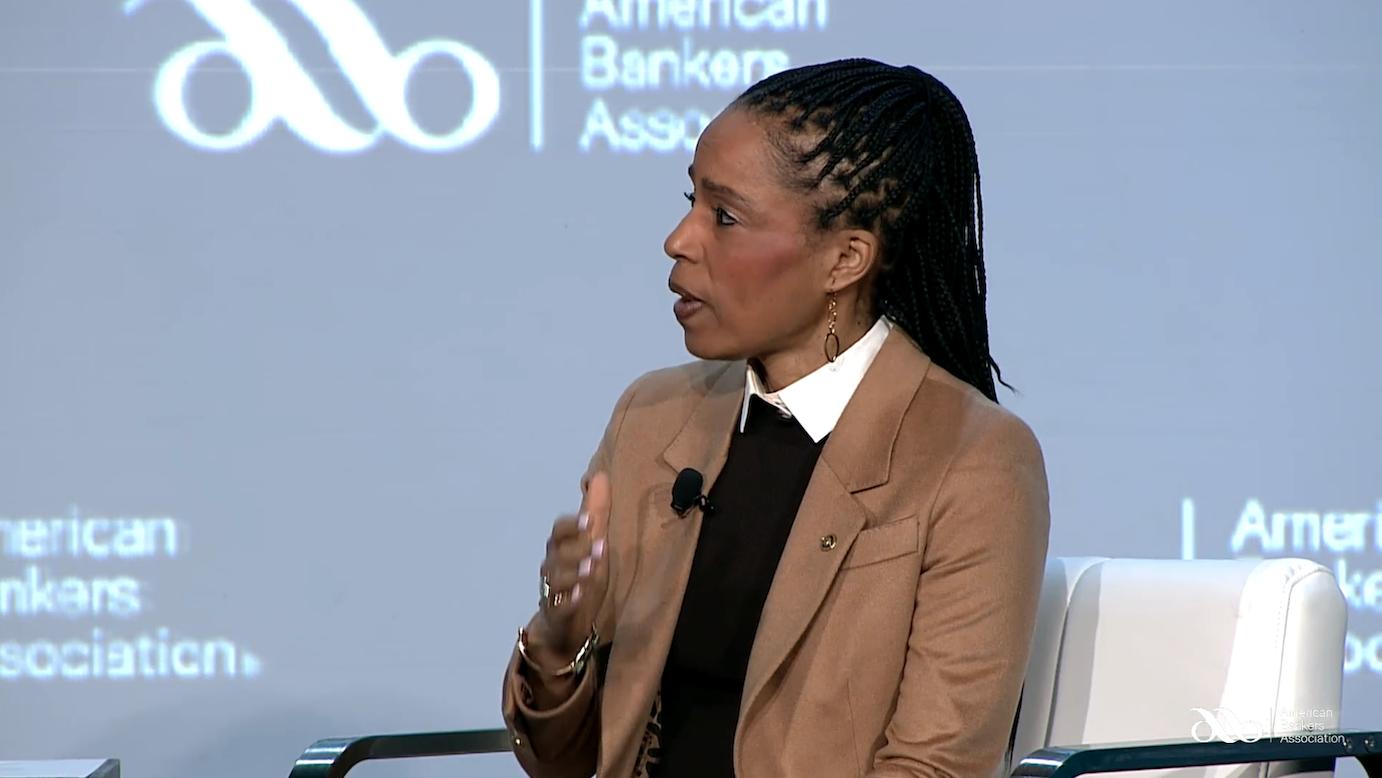
Senator Angela Alsobrooks, a key Democrat on the Senate Banking Committee, said at an American Bankers Association event on Tuesday that she and Republican Senator Thom Tillis are working on a compromise proposal, but crypto and banking interests can’t let “perfect be the enemy of good.”
“All of us will probably walk away just a little bit unhappy,” she said. “What we don't want is to have an unregulated system — to have crypto not regulated at all — and not to have the guardrails to allow a situation where we will have deposit flight.”
Banking groups, including the American Bankers Association, have pushed for the Senate to include a ban on third-party stablecoin yield payments in crypto market structure legislation pending in the Senate.
The groups argue that the payments are a deposit flight risk for bank accounts that could destabilize the banking system and that the ban would close a perceived loophole in the GENIUS Act, which banned stablecoin issuers from offering yield on their tokens.
Stablecoin yield payments are a popular way for crypto exchanges to entice customers, and crypto lobby groups have fought against the proposal to ban them.
The fight has stalled the crypto bill from moving forward, which outlines how market regulators would police crypto.
Senator Alsobrooks said that in negotiations for the GENIUS Act, lawmakers knew they’d have to “revisit the issue around interest and yield,” adding that crypto market structure legislation must address the issue of stablecoin yields so they don’t end up undermining the banking sector.
Related: Donald Trump takes swipe at banks over stalled crypto bill
“If it quacks like a duck and looks like a duck, it is a duck,” she said. “Making sure that we are not allowing bank-like products without bank-like protections — this is what we know is really important.”
Americans want stablecoin yield limits if banks at risk
Alsobrooks' comments come as the American Bankers Association shared a survey finding that 42% of respondents agreed that Congress should ban stablecoin yields if there is any risk that it could reduce the amount of money available to banks.
The survey, conducted by Morning Consult on behalf of the lobby group and polling a national sample of 4,456 adults, also found that 84% agreed that a business providing bank-like services, like a savings product, should be “held to the same standards for consumer protection that banks are.”
Magazine: How crypto laws changed in 2025 — and how they’ll change in 2026
Disclaimer: The content of this article solely reflects the author's opinion and does not represent the platform in any capacity. This article is not intended to serve as a reference for making investment decisions.
You may also like
US PPI report to test Bitcoin, gold and Nasdaq as December rate hike looms
Nvidia falls to its lowest valuation in 14 years! "Super bull" Tom Lee calls for bottom fishing, retail investors are buying more as it drops, but Wall Street is divided
After the market opened on Thursday, retail investors went against the trend and bought up Nvidia, with net purchases reaching $111 million in just half an hour, setting a record for the same period. Investors such as Tom Lee have publicly supported the company, with institutions optimistic about strong order backlogs extending to 2028, robust revenue growth, and opportunities created by declining valuations. Meanwhile, institutions like Bernstein and Goldman Sachs have become more cautious about Nvidia's outlook, with concerns focusing on management succession and technological leadership following Jensen Huang's departure.

Jane Street boosts Fidelity Bitcoin ETF stake 8x in Q3, trims BlackRock IBIT

From SpaceX to Anthropic, the market has new strategies for dealing with tech giants' IPOs
The market's response strategies to major listings are currently centered around "index inclusion expectations": the new regulations allow mega IPOs to be included in the six major indices within 15 days, triggering concentrated buying by passive funds. Investors are positioning themselves in advance and using options to hedge and amplify buying power. However, Anthropic has a free float of only about 6%; shares available for sale by employees on the first day and privately placed shares with no lock-up period may create supply pressure. On the other hand, index arbitrageurs are facing a rare opportunity.

Crypto prices
More


