
Tracking Weak Aggregate Demand from PPI

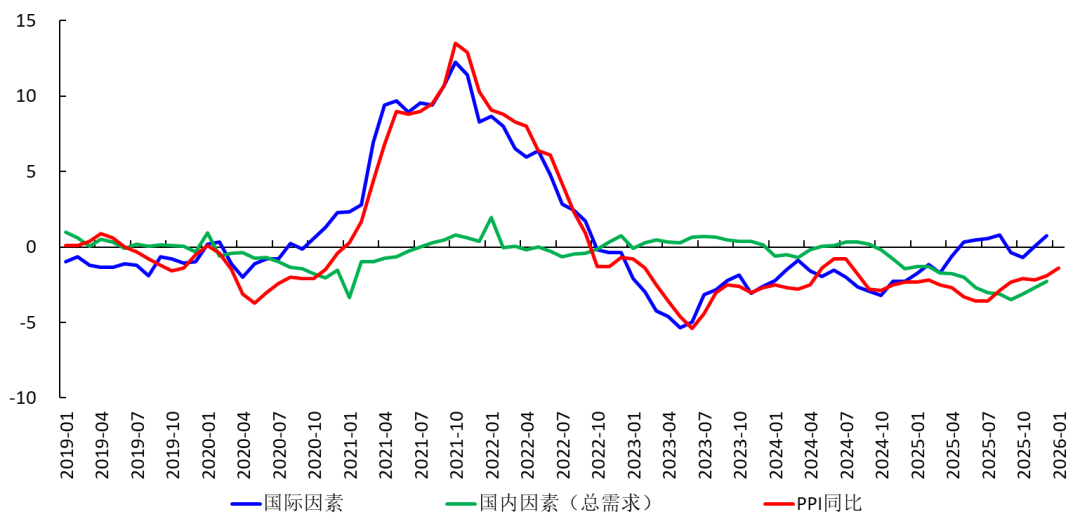 Figure 1: Decomposition of PPI into Two Parts
It can be seen that:
[1] The large fluctuations in China's year-on-year PPI are mainly determined by international factors. The root cause is overcapacity, with supply far exceeding domestic demand, so domestic demand has little impact on PPI.
[2] From 2020 to 2022, production halts of European and American enterprises, coupled with factors such as the Russia-Ukraine war, led to a global commodity price increase on one side, and an increase in demand for Chinese goods on the other, pushing up China's PPI. In Q4 2022, as production in Europe and the US recovered and demand for Chinese goods fell, international factors declined rapidly, turning PPI negative, and the industrial sector fell into deflation.
[3] Since mid-2023, domestic demand has remained weak, leading to a decline in PPI.
[4] Since 2025, although international factors have risen, domestic factors continue to drag down PPI. In the second half of 2025, although domestic factors have improved, the growth rate is still negative.
[5] The flattening and rebound of long-term treasury bond yields in 2025 are due both to central bank guidance and expectations of a price rebound.
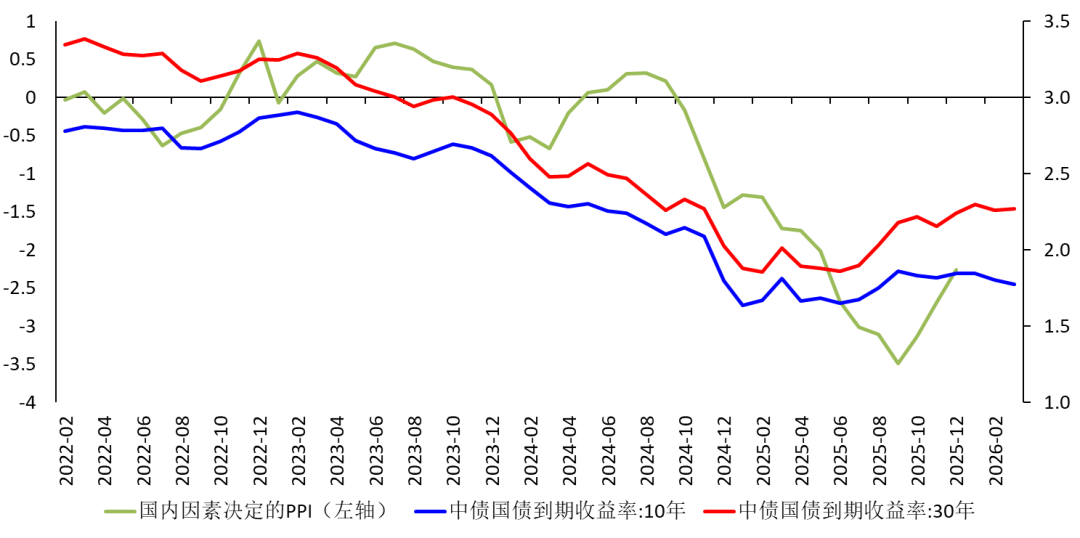
Figure 2: PPI Component Determined by Domestic Factors
IV. Impact of the WarDisclaimer: The content of this article solely reflects the author's opinion and does not represent the platform in any capacity. This article is not intended to serve as a reference for making investment decisions.
You may also like
Nvidia falls to its lowest valuation in 14 years! "Super bull" Tom Lee calls for bottom fishing, retail investors are buying more as it drops, but Wall Street is divided
After the market opened on Thursday, retail investors went against the trend and bought up Nvidia, with net purchases reaching $111 million in just half an hour, setting a record for the same period. Investors such as Tom Lee have publicly supported the company, with institutions optimistic about strong order backlogs extending to 2028, robust revenue growth, and opportunities created by declining valuations. Meanwhile, institutions like Bernstein and Goldman Sachs have become more cautious about Nvidia's outlook, with concerns focusing on management succession and technological leadership following Jensen Huang's departure.

Jane Street boosts Fidelity Bitcoin ETF stake 8x in Q3, trims BlackRock IBIT

From SpaceX to Anthropic, the market has new strategies for dealing with tech giants' IPOs
The market's response strategies to major listings are currently centered around "index inclusion expectations": the new regulations allow mega IPOs to be included in the six major indices within 15 days, triggering concentrated buying by passive funds. Investors are positioning themselves in advance and using options to hedge and amplify buying power. However, Anthropic has a free float of only about 6%; shares available for sale by employees on the first day and privately placed shares with no lock-up period may create supply pressure. On the other hand, index arbitrageurs are facing a rare opportunity.

Nvidia Q3 Earnings Preview: Revenue Expectations and Key Metrics to Watch
Crypto prices
More


