
Tether takes stake in Whop as platform adopts WDK for stablecoin creator payouts

Tether Investments has taken a strategic stake in Whop.com, an online marketplace that facilitates approximately $3 billion in annual payouts to more than 18.4 million users across 144 countries, according to a statement shared with The Block.
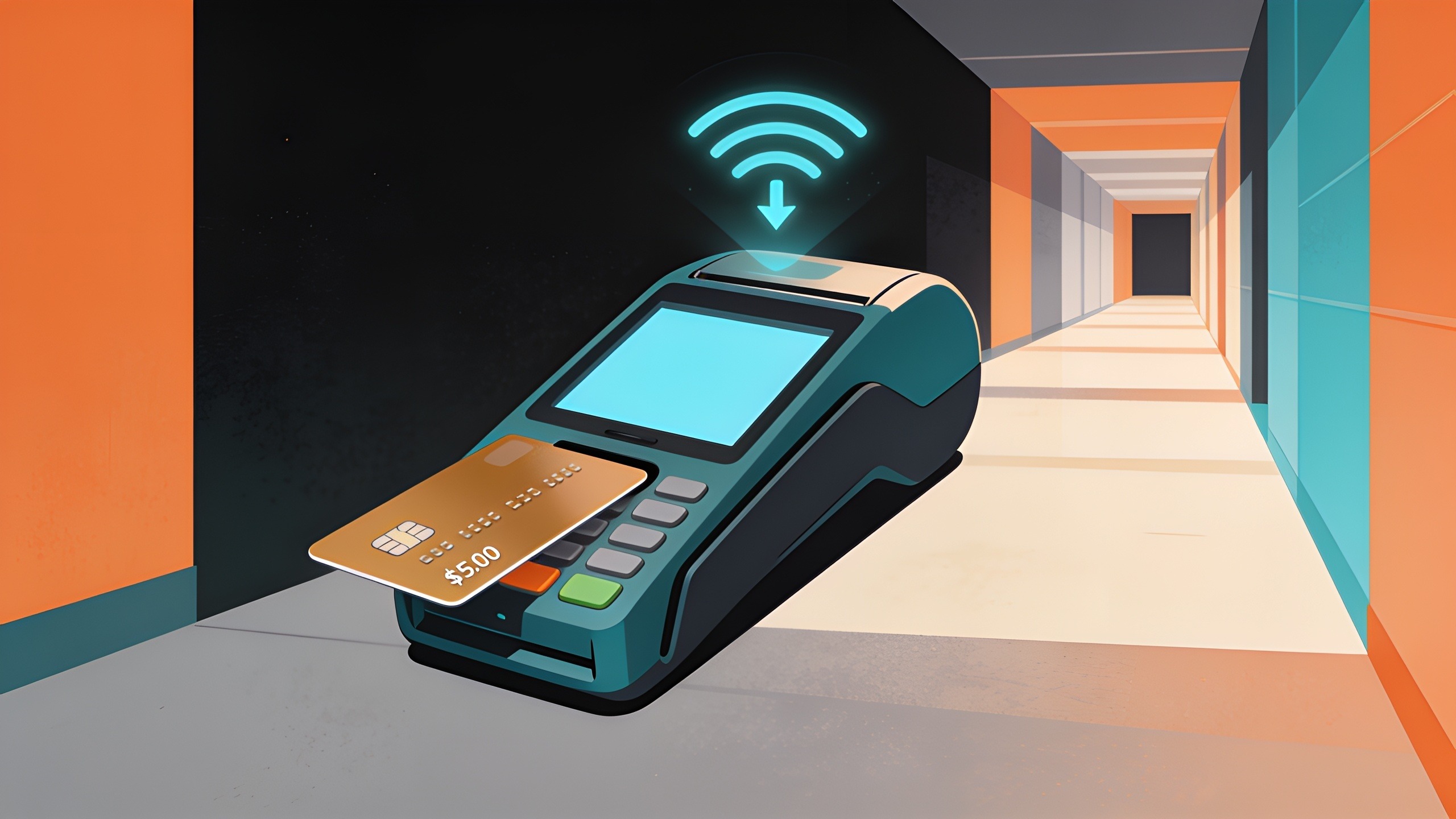
As part of the deal, Whop will integrate Tether's Wallet Development Kit to process stablecoin payments, giving creators and users the option to settle transactions in USDT, or the recently launched USAT, a "Made in America" digital dollar. The funding will support Whop's expansion into LATAM, Europe, and APAC, while introducing AI tools designed for agentic income opportunities, the company said Wednesday.
Per the statement, the partnership connects Whop's global network to Tether's infrastructure, enabling faster dollar settlement for creators in markets where traditional payment systems introduce friction and cost. Whop, which describes itself as the world's largest internet market, said it processes gross transaction volume that is increasing roughly 25% month over month.
Tether noted that the WDK integration also positions Whop to offer decentralized finance primitives, including lending and borrowing features, effectively establishing a self-custodial digital banking layer for its community.
"Our investment in Whop proudly reflects Tether's focus on supporting real economic activity by providing efficient digital dollar and wallet infrastructure that can scale to billions of people, across every continent," Tether CEO Paolo Ardoino said in the statement. "By integrating Tether's Wallet Development Kit, WDK, Whop can offer users faster global payments and more reliable financial tools, driving growth, individual, family and community self-sufficiency and financial inclusion."
Expansion drive
The investment comes as Tether maintains a dominant position in the stablecoin market, which has reached a total dollar-denominated supply of $293 billion. According to The Block’s data dashboard, Tether’s USDT accounts for $183 billion of that total, representing a 62.4% market share.
This scale has translated into significant liquid reserves; the company reported that its U.S. Treasury holdings reached a record $122 billion in 2025. During that fiscal year, Tether recorded its second-largest annual issuance in history, adding more than $50 billion in new USDT to the circulating supply.
Financial attestations from independent accounting firm BDO indicate that Tether generated more than $10 billion in net profit for the 2025 fiscal year. While this figure is a decrease from the $13 billion reported in 2024, the company’s excess reserves grew to $6.3 billion, with total assets backing USDT rising to $193 billion.
These profits have funded an aggressive expansion of Tether’s operational footprint; the company plans to increase its workforce by 150 employees over the next 18 months, bringing its total headcount to approximately 450, the Financial Times reported in early February.
Earlier this month, Tether invested in LayerZero Labs, the interoperability firm behind the technology used for USDT0, Tether's omnichain stablecoin. That followed an investment in Dreamcash, a mobile frontend for the Hyperliquid decentralized exchange, supporting the launch of USDT0-collateralized perpetual markets for assets including Tesla, Nvidia, gold, and the S&P 500 index.
Tether has also deepened its metals exposure, investing $150 million in Gold.com, a direct-to-consumer marketplace, as part of broader efforts to anchor its digital assets with physical reserves.
Disclaimer: The content of this article solely reflects the author's opinion and does not represent the platform in any capacity. This article is not intended to serve as a reference for making investment decisions.
You may also like
Eli Lilly (LLY.US) "lowers its stance" and joins forces with former rival Hims (HIMS.US) to compete for the self-pay weight loss drug market
Eli Lilly is collaborating with Hims & Hers Health, leveraging the telehealth company’s large customer base to expand access to its blockbuster weight loss drugs and boost sales of medications, including its new oral weight loss drug Foundayo.
"Predicting Your Prediction" Intensifies Tech Stock Sell-off! After $2.3 Trillion Market Value Evaporates, Has the "Hot Money" Mechanical Selling Still Not Subsided?
The Nasdaq 100 Index fell by 6.4%, wiping out $2.3 trillion in market capitalization. The core reason behind this decline is concerns that a comprehensive victory by the Democratic Party could lead to stricter regulations on AI development. Systematic funds, which typically follow the stock market's trend and respond to price fluctuations and momentum signals, were thus forced to reduce their investments, accelerating the downturn. The selling pressure from systematic strategies may not be over yet; it is expected that in the coming days, portfolios targeting volatility will sell at least $50 billion worth of stocks.
The midterm election tears open the "abyss" of AI trading, facing a moment of reckoning for trillion-dollar capital expenditure narratives
For months, investors have been worried about a series of risks behind the AI (artificial intelligence) capital expenditure "money tree." This week, the market finally pressed the panic selling button.
AI sell-off meets the NFP test: safe-haven funds flock to the bond market! Will unexpectedly strong employment disrupt the bullish U.S. Treasury setup?
As expectations for further rate hikes by the Federal Reserve continue to diminish, bond traders are preparing for the upcoming October jobs report this Friday, with the U.S. Treasury market expected to rise further. The global stock sell-off has prompted investors to seek the safety of U.S. Treasuries, pushing yields down to their lowest levels since early September, with the 10-year Treasury yield reported at 4.82% on Friday.

Crypto prices
More


