
Dollar bearishness clouds Bitcoin inverse bet

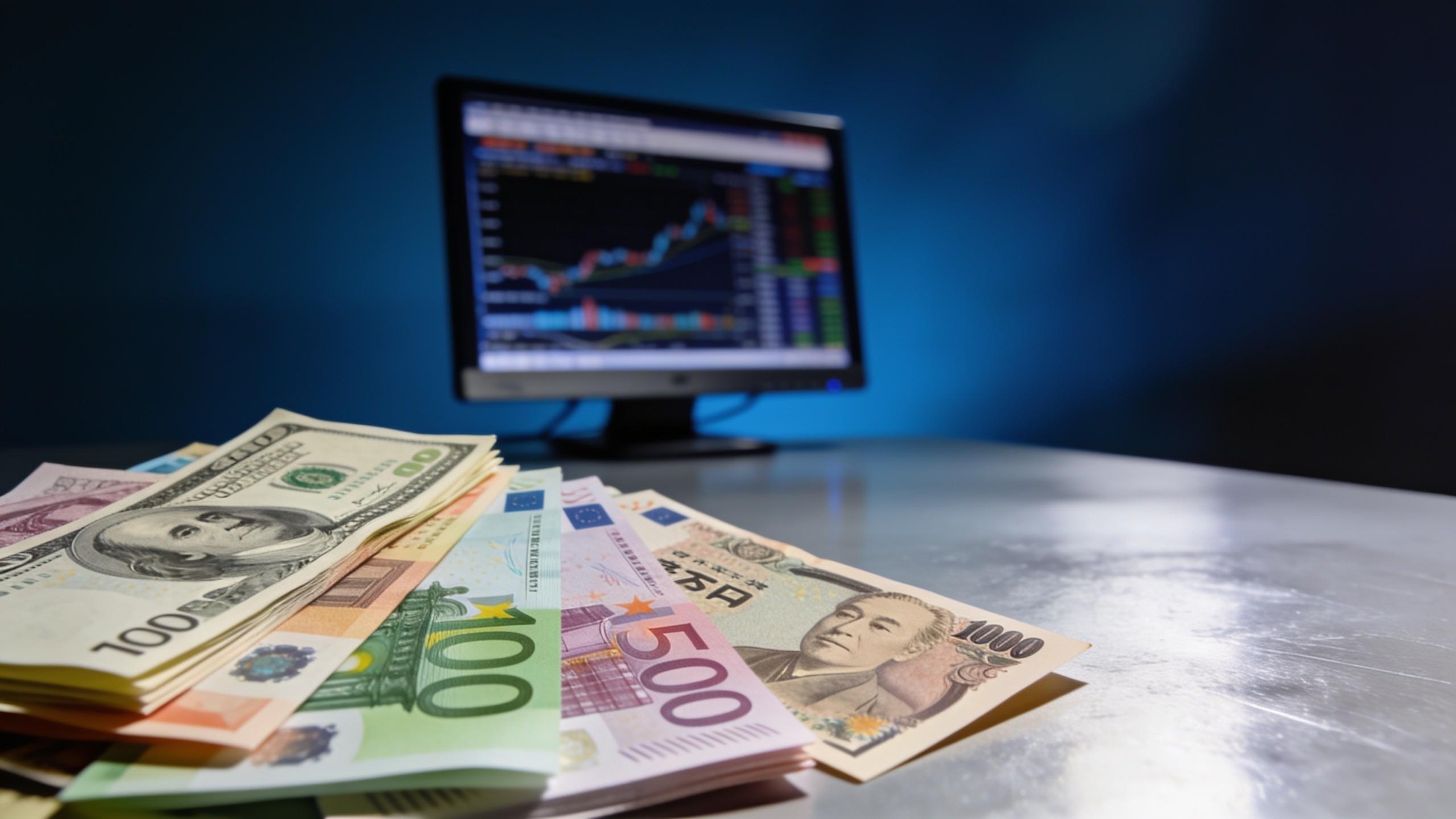
The U.S. dollar is heading for a weekly loss as record bearish positioning fails to spark a rally in bitcoin, challenging the cryptocurrency’s long-standing inverse relationship with the greenback.
The U.S. Dollar Index traded near 96.9 in early U.S. hours on Friday, up 0.1% on the day but still on track for a 0.6% weekly decline, while positioning data compiled by Bank of America showed underweight exposure at its weakest level since records began in 2012.
Despite easing concerns over Federal Reserve independence following Kevin Warsh’s nomination as Fed chair, Bank of America analysts said the shift has not revived demand for U.S. assets, noting that investors are raising FX hedge ratios, trimming U.S. exposure and anticipating further reserve diversification away from the dollar.
Much of the bearish survey data predates a stronger-than-expected U.S. jobs report, which alongside resilient economic indicators and shifting rate expectations could offer near-term support to the currency.
Historically, bitcoin has moved inversely to the dollar as a weaker greenback loosens financial conditions and makes the digital asset cheaper for global buyers, but since early 2025 the 90-day correlation has climbed to 0.60, its highest level since April 2025, even as the dollar fell 9% last year and a further 1% this year while bitcoin dropped 6% in 2025 and 21% year-to-date.
Disclaimer: The content of this article solely reflects the author's opinion and does not represent the platform in any capacity. This article is not intended to serve as a reference for making investment decisions.
You may also like
British Pound extends losing streak against US Dollar, US PPI in focus
Barclays: US-Iran conflict unlikely to end in next 12 months, oil exports near 85% of pre-war level

Jensen Huang's sudden resignation shrouded in suspicion: Did the White House secretly intervene? Is a return possible in the future?
Only a few days separated Jensen Huang’s strong support from the board last Sunday and his late-night resignation on Wednesday. Multiple reports of the Wednesday night Nvidia board meeting were co-authored by Washington-based journalists—who do not typically cover Nvidia—fueling rumors of "White House pressure and information leaks." Huang’s unique value lies in leveraging his personal reputation to secure the supply chain and drive the implementation of technological roadmaps, making him difficult to replace. Some analysts note that, drawing on examples such as Steve Jobs’ return to Apple, it is possible that Huang may come back in the future.
Gold recovers from YTD low, retakes $3,900; Fed hike bets and bullish USD to cap gains
Crypto prices
More


