
x402 The most crucial piece of the puzzle? Switchboard aims to rebuild the "oracle layer" from scratch

Switchboard is an oracle project within the Solana ecosystem and proposes to provide a data service layer for the x402 protocol. It adopts a TEE technology architecture, is compatible with x402 protocol standards, supports a pay-per-call billing model, and removes the API Key mechanism, aiming to build a trusted data service layer. Summary generated by Mars AI. The accuracy and completeness of this content, generated by the Mars AI model, is still in an iterative update phase.
The major infrastructure of the x402 track is still a blank slate. Although the big market trend has taken away the "timing," causing application layer projects like Launchpad and middleware like Facilitator to temporarily quiet down, it has given the underlying infrastructure layer a longer window to build. Switchboard, as an oracle project emerging from the Solana ecosystem, has recently proposed to provide a data service layer for the x402 protocol. How exactly will this be done?
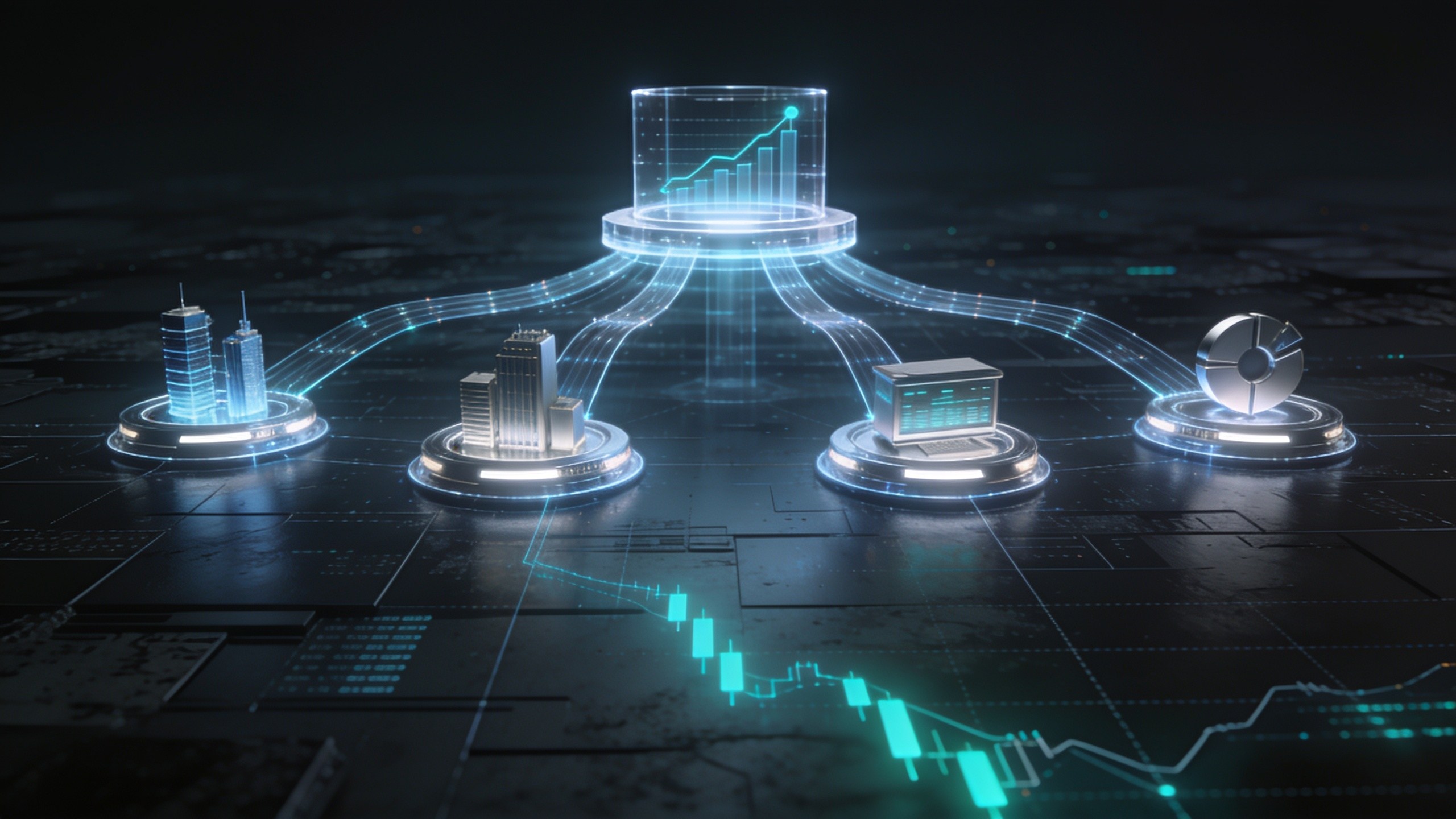
1) In terms of technical architecture, Switchboard adopts a TEE (Trusted Execution Environment), which is different from the traditional consensus models of Chainlink, Pyth, etc., that rely on network verification. Here, data is transmitted directly on-chain from a secure enclave.
2) In terms of protocol compatibility, Switchboard is compatible with the x402 protocol standard, allowing AI Agents to directly initiate data requests via HTTP 402, complete authorization with small on-chain payments, and receive data instantly. The entire process requires no extra adaptation layer or intermediary contracts.
3) Regarding the billing model, it breaks the traditional subscription-based model of oracles and supports pay-per-call—Agents pay per invocation or per data point, paying exactly for what they use. This is fully aligned with the x402 protocol's pay-as-you-go design philosophy.
4) Even more radically, Switchboard has completely removed the API Key mechanism. In the traditional model, accessing data services requires registration, key application, and permission management—a process that creates significant friction for Agents. Now, as long as the user's 402 transaction request carries sufficient funds, they can instantly access any data source, with no registration or approval needed.
This raises a question: does the x402 protocol need a dedicated oracle service layer?
First, let's clarify a concept. In the x402 protocol architecture, the Facilitator is responsible for payment facilitation—paying on behalf, broadcasting transactions, and state verification, essentially solving the problem of "how money flows." The API services actually called by the Agent—whether fetching prices, performing computations, or invoking LLM inference—are provided by the Provider layer.
What Switchboard aims to do is to be a special kind of Provider: one that specializes in providing on-chain trusted data services, constructing the core information layer for Agent value transfer.
Imagine if the Provider is a centralized API—what happens if data is tampered with or the service goes down? In Web2 scenarios, these risks are covered by channel brands and legal contracts, but in on-chain execution environments, especially those involving complex DeFi operations, verifiable and on-chain attested data is needed.
If ERC-8004 solves the problem of buyer Agent identity trust and reputation, then this type of oracle-driven Provider is meant to provide a layer of trust assurance for seller (API) data verification.
Essentially, the x402 protocol builds the payment layer for the Agent service marketplace, while Switchboard builds the data service layer. If the payment layer enables the flow of money, the data service layer enables the flow of trusted data.
Only when these two are combined does the Agentic Economy have a complete infrastructure.
Disclaimer: The content of this article solely reflects the author's opinion and does not represent the platform in any capacity. This article is not intended to serve as a reference for making investment decisions.
You may also like
Just bet on AI and already faced a market blow! Berkshire reports earnings tonight, Abel faces a major test in his transformation
Greg Abel has been leading Berkshire Hathaway for less than a year, yet he has already made a bet of over $10.9 billion on the AI sector, marking a complete break from Buffett’s traditional avoidance of tech stocks. However, Alphabet’s stock price has fallen below their initial purchase cost, and Bending Spoons continues to decline, putting this bold AI gamble to the test. At the same time, third-quarter earnings per share are expected to drop 6% year-over-year, and the share repurchase program is likely to plummet from $4.5 billion to $1.6 billion. How to deploy $358 billion in cash will be a major challenge for the new leader’s capital allocation skills.

Has the AI bubble burst? Goldman Sachs: It's more like 1998 than 2000 right now
The Goldman Sachs trading desk stated that the current wave of sell-offs resembles the 1998 liquidity crisis more than the bursting of the 2000 bubble. It is a forced deleveraging rather than a refutation of business fundamentals. The market is drastically repricing construction financing and timeline expectations, rather than underlying demand. Moreover, the issues currently drawing the most attention from the market—electricity and licensing—are actually the least important, as limited supply does not equate to disappearing demand. The real question that needs to be answered is whether long-term revenues can ultimately justify the capital invested.
Pundit: XRP and XLM Holders, Do You Know How Big This Is?

Tesla Cybertruck: From Cracked Windows to Production Halt, a Three-and-a-Half Year Journey Ends
Since its launch in 2019, Cybertruck has been mired in controversy—ranging from a failed window demonstration on release day, a four-year delay in mass production, and its price rising from $39,900 to more than $100,000, along with a total of 11 recalls. The day before the halt of production was announced, Tesla raised the price once again, bringing a dramatic and intriguing end to the saga of this vehicle.
Crypto prices
More


