

Written by: Rhys
Translated by: Luffy, Foresight News
As the title suggests, I tried perpetual contract trading for a month. Having been involved in crypto for five years but never touched perpetuals, I want to share this experience in this article.
I hope that whether you’re a novice trader or an industry veteran, you can gain some fresh perspectives from my story. You might laugh at my recklessness, cringe at my operations, or even relate to some of my experiences.
Why Did I Start?
To be honest, it was half out of boredom and half out of wanting to follow the current trend.
Like many people now, I wanted to ride the wave of the “decentralized perpetual contract exchange craze”—in simple terms, trading on specific platforms to accumulate points. At the beginning, there were mainly four platforms to choose from: Hyperliquid, Lighter, Aster, and Apex.
Looking back now, maybe I should have chosen Lighter, as it still hasn’t issued a token and its points campaign is ongoing. But I ultimately chose Hyperliquid because it seemed like the safest choice.
A Lucky Start
My first few trades were all focused on the XPL token, and I only went long. This quickly became my fixed trading pattern.
My very first trade doubled my account. In those five minutes, I truly felt like a genius, even though it was pure luck. I opened a long position with maximum leverage, didn’t set a stop loss, went to sleep, and woke up to find my account had doubled. Maybe it was beginner’s luck, or maybe just a dumb move that happened to work out.
After that, I kept trading XPL the same way: watching the 5-minute candlestick chart, scalping, using full leverage, and not setting stop losses. I don’t recommend this approach—it’s the fastest way to lose all your money.
But beginner’s luck continued, and my account kept growing.
For some background, in the community I frequent, my nickname includes “Caroline Ellison Arc”—a tribute to her famous quote, which basically means “I don’t think stop losses are a good risk management tool.” In hindsight, making her my trading role model probably wasn’t the wisest choice.

Finding My “Secret Weapon”
The next key turning point was discovering the Hyperliquid liquidation alert bot on Telegram. At the time, I didn’t realize this bot would basically define my entire “trading strategy.”
From then on, my Telegram became a mix of news bots and liquidation alerts. Naively, I thought that as long as I knew why liquidations were happening, I could trade smarter (spoiler: it didn’t help at all).
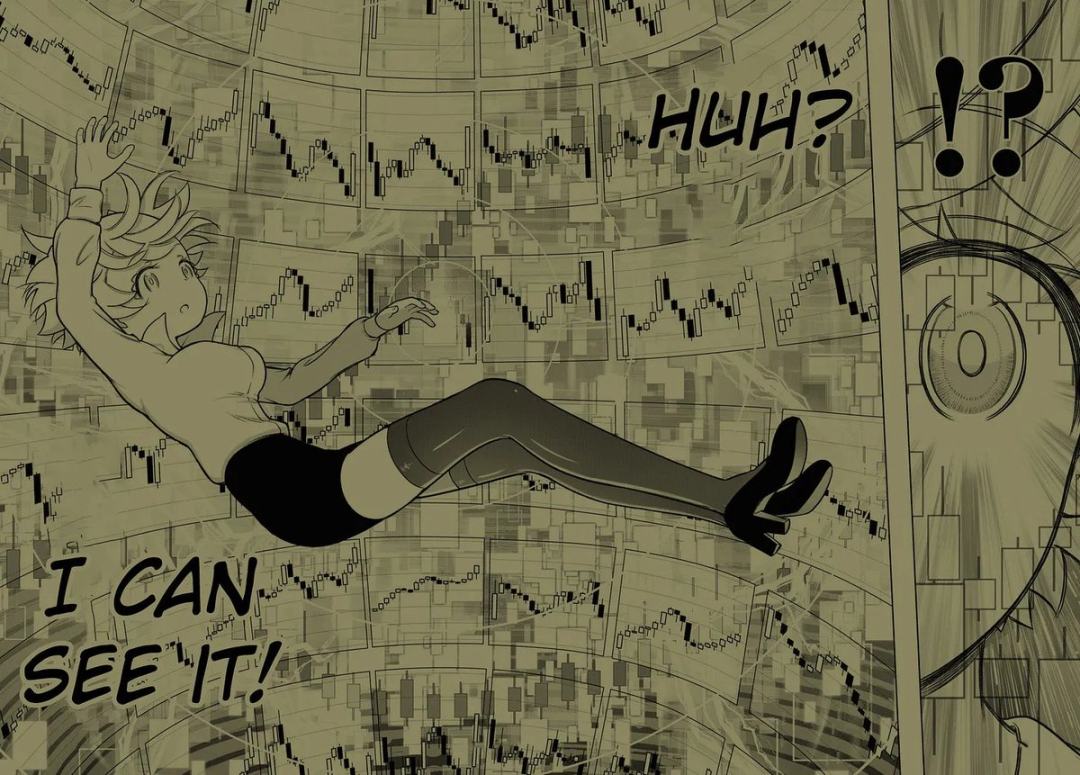
My strategy was simple: if the bot sent a bunch of alerts in a row, I’d open the candlestick chart and frantically go long.
Surprisingly, this actually worked. Most of the time, I’d make a profit as soon as I entered; if not, I’d quickly stop out and wait for the next wave of alerts. It wasn’t a smart trading method, but it was addictive enough.
The Temptation of Position Size
Later, I started trading tokens other than XPL, mainly because Hyperliquid offered absurdly high leverage on major coins. I realized that, in theory, I could open positions worth several millions of dollars. Tempting, right?
It was indeed very tempting.
But I also knew how quickly those numbers could ruin me. After a few tries, I realized my position sizes were growing way too fast. Reducing my position size was the smartest decision I made that week.
A Bad Day
Then, I experienced my first real loss.
By then, I was addicted: checking candlestick charts as soon as I woke up, forcing trades that didn’t exist, chasing every single candlestick as if they owed me money.
As you’d expect, I lost a third of my account in a single day.
It felt terrible. I closed all my positions, canceled all my orders, and decided to take a break. Although my account was still in profit overall, the excitement of making money was gone. I realized I wasn’t really trading—I was gambling.

10/10: A Wake-Up Call
Guess when this loss happened? That’s right, October 10th—the day the entire market crashed.
But I didn’t lose money during the crash; I had already taken a hit earlier that day.
That night, my liquidation bot suddenly started spamming alerts like crazy—so many that I thought someone was sending me spam on Telegram. The alerts were endless, hundreds or even thousands, sounding like a machine gun.
Then suddenly, it went silent—Telegram automatically deleted the bot because there was too much spam.
By then, I had already reopened the candlestick chart and used all my remaining funds to go long. Somehow, I caught a few perfect entry points and managed to recover the third of my account I’d lost earlier.
That day was utter chaos—a complete bloodbath. Some of the best traders were completely wiped out. This was the loudest wake-up call I’d had since I started trading perpetuals, reminding me that the market doesn’t care who you are—it will eventually swallow everyone.
Reflections After 10/10
After that, I significantly slowed down my trading. Maybe I was scared, or maybe I was just glad I hadn’t lost everything.
Honestly, being able to recover the third of my account I’d lost and still be here to share this experience is enough for me. Without the Telegram bot, I felt like a newbie who’d just lost their training wheels.
I started using strict stop losses and tried time-weighted average price orders.
So, What Did I Learn?
This month helped me clarify my trading style: I’m a short-term trader. The chaos of 10/10 and the constant reminder to “take profits and run” have shaped who I am now.
Jim Talbot’s video clip about “taking profits” still plays in my mind on repeat—so many times I’m embarrassed to admit it.
I no longer force trades. Now, I might only trade once every few days, or even once a week.

Final Thoughts
If I had to give one piece of advice, it would be this: find a group of people doing the same thing as you, preferably people who are smarter than you. People who are actually trading, not just posting candlestick charts for attention; people who will call you out when you’re being reckless, and remind you to take profits when greed clouds your judgment.
With people like that around, it’s easier to get through slow market days, and the joy of making money is even greater. Being with knowledgeable people keeps you clear-headed. Trading alone can easily lead to a narrow perspective, and that’s when you start forcing trades that don’t exist.
My account is indeed profitable, but that’s not the point—the real victory is not losing everything. I’ve learned when to stop, when to reduce my position, and when to close the chart before the market drags me down.
I’m still at it, still learning, still clicking the “buy” button, and still here sharing my story.





