
25% of public bitcoin treasury companies are worth less than their reserves

- Treasury companies trade below bitcoin value
- Strategy reduces pace of BTC purchases
- CME premiums indicate a more balanced market
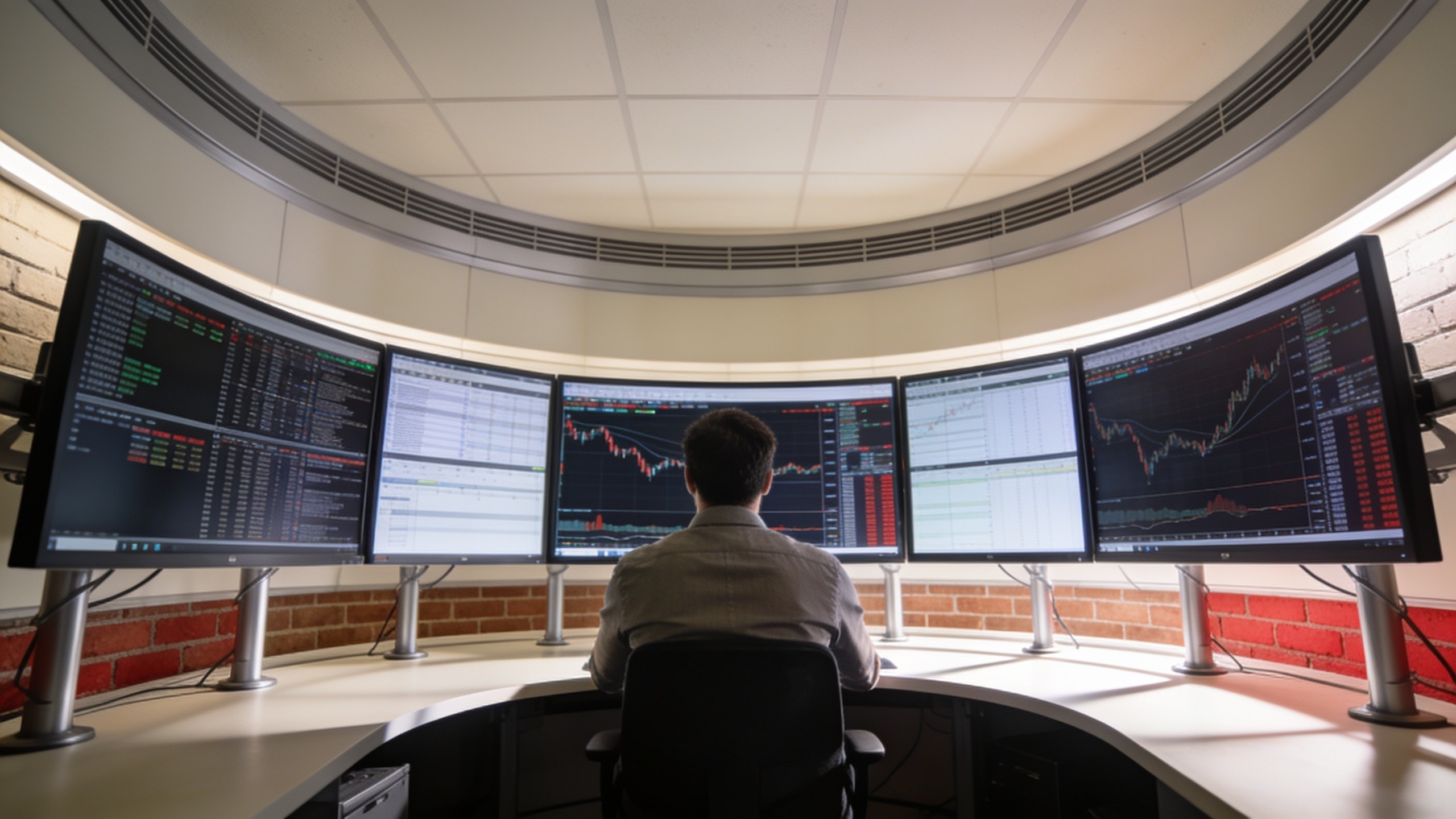
Um K33 report pointed out that approximately 25% of public companies with Bitcoin treasuries are trading on exchanges with a market value lower than their own BTC reserves. This phenomenon limits the ability to raise capital through share issuance, as selling shares at prices below net asset value results in dilution for shareholders.
Vetle Lunde, head of research at K33, explained that:
“When companies trade below NAV, issuing shares becomes dilutive because it gives away more ownership (through undervalued shares) than the value they receive in return (BTC).”
The situation mainly affects smaller companies, which have lost the opportunity to raise additional resources and continue expanding their reserves.
One of the most notable cases is NAKA, the vehicle resulting from the merger between KindlyMD and Nakamoto Holdings, which has seen a 96% drop in market value since its peak. Its mNAV multiple plummeted from 75 to 0,7. Other companies such as Tether-backed Twenty One, Semler Scientific, and The Smarter Web Company are also below the 1 threshold on the index.
Overall, the average multiple among listed companies fell to 2,8, down from 3,76 in April. The difference, however, is driven by large corporations, which still maintain significant premiums. Michael Saylor's Strategy (MSTR) also felt the pressure: its multiple fell to 1,26, the lowest since March 2024, reducing its ability to raise capital for new bitcoin purchases.
The pace of corporate acquisitions fell to an average of 1.428 BTC per day in September, the lowest level since May. Lunde emphasized that the decline is rational, as companies that function solely as accumulation vehicles should not trade at a premium, given the additional management and capital structure costs.
In derivatives, CME Bitcoin futures contracts returned to trading at moderate premiums relative to offshore markets. This movement is seen as a sign of greater balance, with institutional flows bringing CME prices closer to the spot market. Even so, high financing rates and strong interest in long positions indicate that leverage remains present, maintaining the risk of pressure on overexposed investors.
Disclaimer: The content of this article solely reflects the author's opinion and does not represent the platform in any capacity. This article is not intended to serve as a reference for making investment decisions.
You may also like
SpaceX unlock wave meets index rebalancing! Goldman Sachs estimates: December rebalancing may bring $10.9 billion in passive buying
The proportion of SpaceX's freely tradable shares has increased from about 5% at the time of its IPO to one-third, and the expansion of index weightings is driving passive funds to increase their holdings. According to Goldman Sachs, the rebalancing of the Russell 1000 Growth Index on December 11 may trigger $10.9 billion in buy orders, with the main counterparts being insiders whose shares are unlocked. The S&P 500 inclusion window points to the second half of 2027, when the competition among passive funds will further intensify.
Citigroup Q3 Holdings: Nvidia (NVDA.US) Remains Top Heavy Position, Expanded Both Index and Tech Stock Options
According to the disclosure by the U.S. Securities and Exchange Commission (SEC), Citigroup (C.US) submitted its third quarter holdings report (13F) as of September 30, 2026, on November 4, 2026.
Carlyle still favors the healthcare sector in Q3, with Medline (MDLN.US) and StandardAero (SARO.US) accounting for over 98% of holdings
Carlyle (CG.US) has submitted its third-quarter holdings report (13F) for the period ending September 30, 2026.
Alphabet (GOOGL.US) reportedly plans to issue its first Hong Kong dollar and Singapore dollar bonds, potentially testing investor confidence amid growing concerns over AI financing.
Alphabet has recently held discussions about the potential issuance of its first Hong Kong dollar and Singapore dollar bonds. Amid global market volatility caused by sell-offs in artificial intelligence (AI) related sectors, this deal will test Asian investors’ appetite for subscription.

Crypto prices
More


