
Nakamoto plummets 96%, is the story of Bitcoin DATs no longer convincing?

In just a few months, KindlyMD, a medical company, transformed into “Bitcoin Digital Asset Treasury” (DAT) Nakamoto Holdings, experiencing a rollercoaster ride in the capital markets.
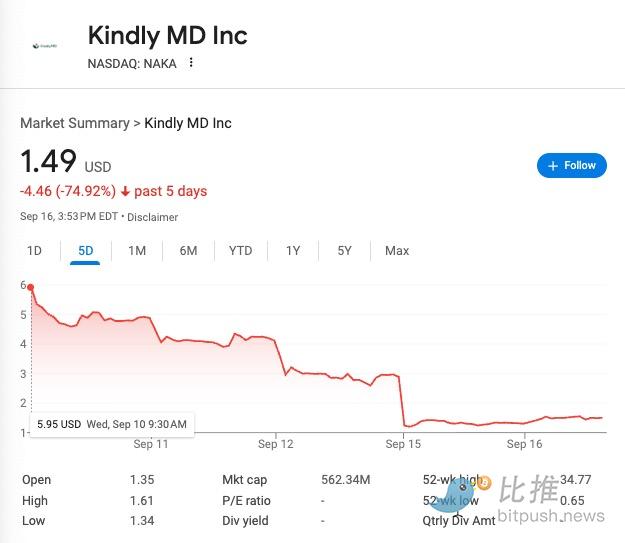
Earlier this week, the unlocking of PIPE shares triggered concentrated selling pressure, causing KindlyMD’s stock price to plummet by over 50% in a single day. From its May peak, the stock has fallen a cumulative 96%, now trading at less than $1.50.
From Medical Company to “Bitcoin Treasury”: Rapid Shift in Capital Narrative
In August 2025, medical company KindlyMD completed its merger with Nakamoto Holdings, and the listed entity officially changed its name (Extended reading: $680 million “bottom-fishing” BTC, floating loss of tens of millions, Trump’s crypto advisor’s “whale debut”).
After the transformation, the company announced its core strategy as a “public market Bitcoin treasury,” rapidly raising about $2 billion through PIPE (private placement) and convertible bond financing to purchase thousands of BTC.
It’s worth noting that, by today’s corporate treasury standards, 5,765 BTC is not a huge amount, but it is by no means insignificant. At a Bitcoin price of $114,500, this holding is worth approximately $660 million.
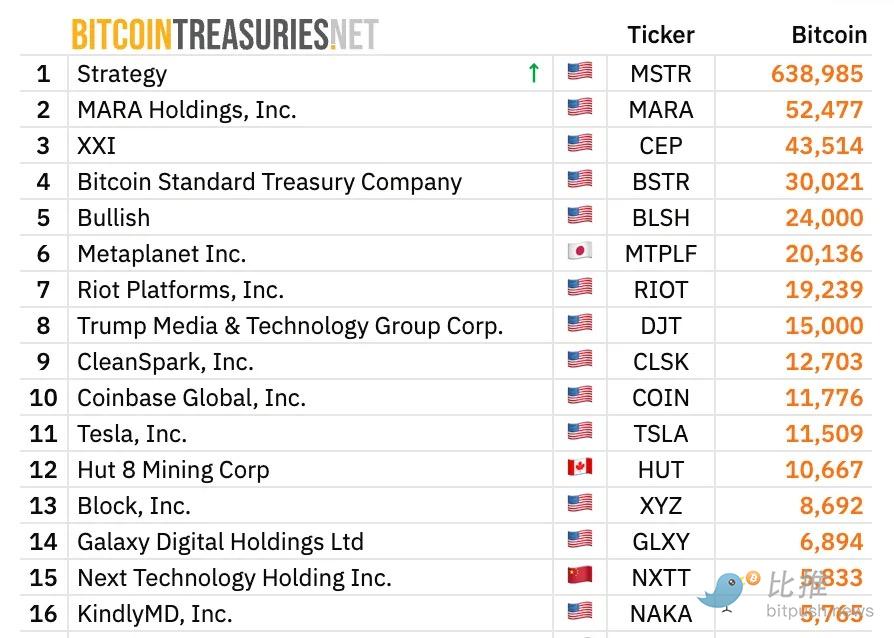
This transformation model is not unique. Previously, Japanese former budget hotel operator Metaplanet and others also announced shifting part of their capital into Bitcoin, aiming to reshape the capital market’s imagination.
PIPE Unlock: The Fuse That Triggered the Crash
The turning point of the story occurred on September 12.
On that day, the company’s Form S-3 registration filed with the SEC became effective, registering previously restricted PIPE investor shares as freely resellable on the secondary market. This meant that previously “locked” massive shares could be sold overnight.
Just one trading day later, on September 15 (Monday), the market witnessed a brutal scene: Nakamoto Holdings’ stock price plunged 54% in a single day, hitting a low of $1.26. From its May peak, the stock has fallen a cumulative 96%, a drop far worse than most expectations.
CEO David Bailey hinted in a late-night shareholder letter: “If you’re here for short-term trading, I suggest you exit.”
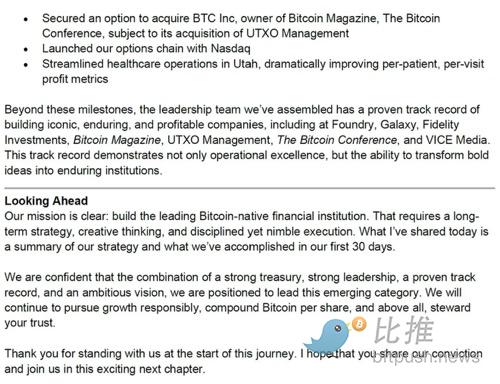
However, such “advice to leave” did not stabilize investor confidence, but instead provoked even greater resentment. Well-known crypto trader Scott Melker bluntly stated in a briefing:
“The crypto treasury narrative has been completely destroyed… The extreme volatility of NAKA assets is abnormal, and the company’s claim of ‘building a shareholder base’ is just a cover for insiders selling at high prices and transferring risk to retail investors.”
Currently, NAKA’s market cap has at times fallen below the nominal value of its BTC holdings. In theory, this “discount” should attract arbitrage funds, but with PIPE selling pressure not yet fully released, market sentiment leans more toward a “value trap.”
The Logic Behind the Decline
1. Supply Shock: The S-3 unlocking directly expanded the float, with a large number of sellable shares flooding the market in the short term, triggering the typical “supply surge—price suppression” effect.
2. Arbitrage Realization: PIPE investors usually enter at a discount and have a lower cost basis. After unlocking, selling at higher prices becomes the most rational choice.
3. Uncertainty of Strategic Transformation: KindlyMD is essentially a small medical company, yet within a few months, it attempted to switch tracks through large-scale financing to hoard Bitcoin. This model, “lacking endogenous profit support,” has led the market to widely doubt its sustainability.
4. Asset Discount Effect: After the plunge, the company’s market cap is lower than its BTC holdings, meaning investors are unwilling to simply treat it as a “discounted way to buy Bitcoin,” but remain wary of management’s execution, financing structure, and potential dilution risks.
Conclusion
In fact, analysts have long harbored doubts about this model—“medical company buys Bitcoin, stock price soars” fundamentally lacks sustainability. KindlyMD’s revenue in Q2 2025 was less than $10 million, yet just months later it raised billions to hoard coins; similar stories have also appeared with companies like Metaplanet.
For this reason, well-known short seller Jim Chanos, who became famous for predicting the Enron collapse, warned as early as July that the Bitcoin treasury market is replaying the 2021 SPAC bubble. His core points are:
-
Unreasonable Valuation Premiums: Investors buying these companies’ stocks are actually buying Bitcoin at prices far above the underlying net asset value (NAV) of the Bitcoin. Since investors can buy Bitcoin directly via ETF or spot, there’s no reason to pay a premium for an expensive “tracking fund” with additional operating costs.
-
High-Risk Leveraged Operations: These companies buy more Bitcoin by issuing stocks and debt (leveraging up). This model amplifies returns in a bull market, but in a bear market, faces huge liquidation or dilution risks and may be forced to sell Bitcoin, putting pressure on the entire market.
-
Lack of Fundamental Support: This is not a real tech business or operation, but a form of financial engineering. Jim Chanos believes the market will eventually correct this mispricing and eliminate the premium.
The plunge of Nakamoto Holdings will not quickly end the DAT trading logic, but for retail investors who chased the rally, this shock is already profound enough: not every company can become the next MicroStrategy.
Author: Boot.eth
Disclaimer: The content of this article solely reflects the author's opinion and does not represent the platform in any capacity. This article is not intended to serve as a reference for making investment decisions.
You may also like
Bitcoin’s MA200 at $73,200 — Inverse H&S Neckline Is the Only Level Left
Bitcoin Supply Velocity Hits 10-Year Low as ETH Supply Diverges

Just bet on AI and already faced a market blow! Berkshire reports earnings tonight, Abel faces a major test in his transformation
Greg Abel has been leading Berkshire Hathaway for less than a year, yet he has already made a bet of over $10.9 billion on the AI sector, marking a complete break from Buffett’s traditional avoidance of tech stocks. However, Alphabet’s stock price has fallen below their initial purchase cost, and Bending Spoons continues to decline, putting this bold AI gamble to the test. At the same time, third-quarter earnings per share are expected to drop 6% year-over-year, and the share repurchase program is likely to plummet from $4.5 billion to $1.6 billion. How to deploy $358 billion in cash will be a major challenge for the new leader’s capital allocation skills.

Has the AI bubble burst? Goldman Sachs: It's more like 1998 than 2000 right now
The Goldman Sachs trading desk stated that the current wave of sell-offs resembles the 1998 liquidity crisis more than the bursting of the 2000 bubble. It is a forced deleveraging rather than a refutation of business fundamentals. The market is drastically repricing construction financing and timeline expectations, rather than underlying demand. Moreover, the issues currently drawing the most attention from the market—electricity and licensing—are actually the least important, as limited supply does not equate to disappearing demand. The real question that needs to be answered is whether long-term revenues can ultimately justify the capital invested.

Crypto prices
More


