
LayerZero Proposes $110 Million Stargate Buyout: Here’s What You Need to Know

LayerZero’s $110 million proposal to absorb Stargate and retire STG tokens could reshape governance, tokenomics, and the future of multi-token models—while igniting immediate market reactions.
A proposal to merge LayerZero & Stargate has been put forward, with all STG tokens to be swapped for ZRO.
The merger of these two projects could serve as a warning sign for other multi-token and sub-DAO models.
What the LayerZero-Stargate Deal Means for Token Holders
The LayerZero Foundation has officially proposed to acquire Stargate and the STG token. The estimated value is USD 110 million.
Under the proposal, each STG token will become redeemable for 0.08634 ZRO through a fixed-rate redemption contract, based on ZRO’s market price of $1.94 at the time of proposal.
If approved, STG will cease its operational role, and LayerZero will dissolve Stargate DAO. LayerZero stated that any excess revenue from Stargate will be used to buy back ZRO. This buyback strategy has recently been observed in several major projects, including Chainlink.
In the long run, it could reduce ZRO’s circulating supply and alter its pricing/risk-return model.
According to the announcement, the proposal will also include a public discussion phase, followed by a three-day voting period on Snapshot. It requires a high approval threshold of 70%, with a quorum calculated based on the veSTG.
The proposal received both positive and negative views from the community. Some argue that managing two tokens simultaneously will cause the team to lose focus and become ineffective.
Others argued that the LayerZero & Stargate merger is inevitable. However, from their operating model, concepts such as multi-token setups and sub-DAOs may not deliver as much value as previously thought.
“Both projects have long been synonymous with each other. This proves: multi-token models; sub-daos and all of that bulls**t has always been inherently bearish for projects,” an X user commented.
One objection focused on the issue of the rights of current STG holders.
“The offers are not attractive at all. They do not offer any advantages to STG holders, and STG’s revenue sharing system is not available on ZRO. We will only be able to hold on to our tokens,” a user shared.
Nevertheless, the dissolution of Stargate DAO and its integration into a larger foundation raises questions about centralized governance. Moreover, the swap mechanism, the redemption contract’s open period, and the benefits for veSTG/stakers could decide whether the LayerZero & Stargate merger deal is approved.
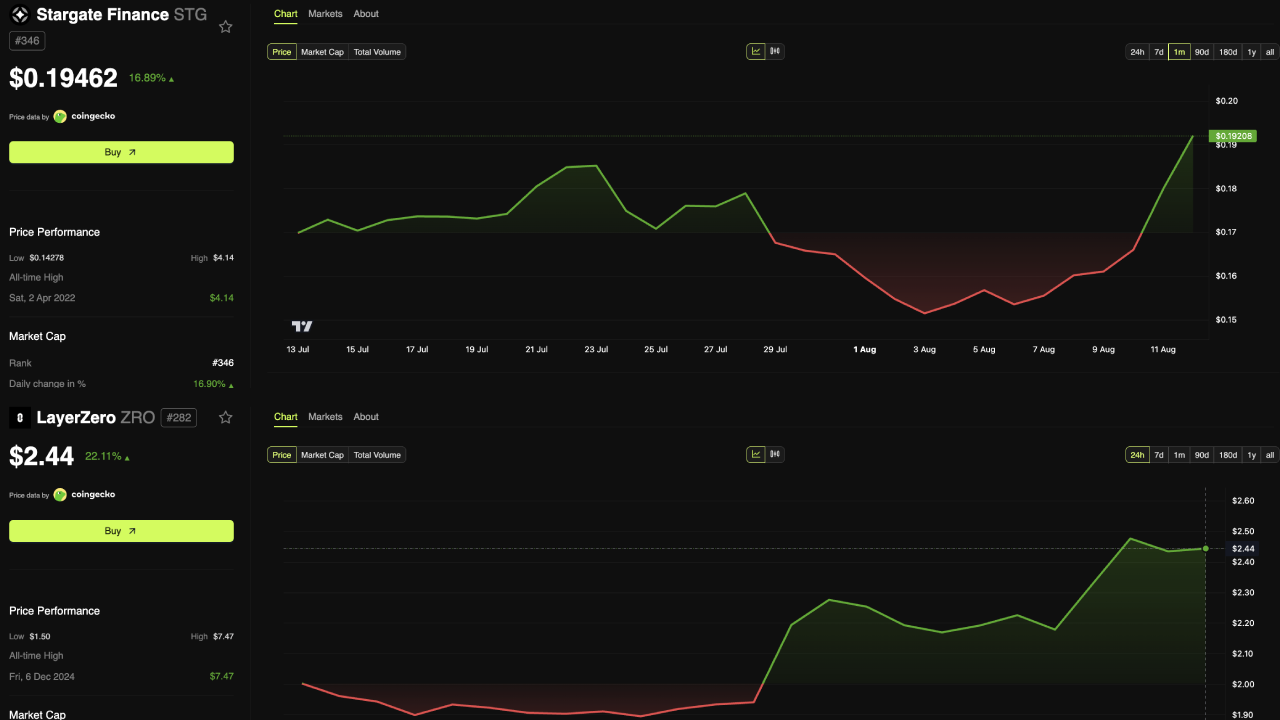 ZRO & STG Price Performance. Source:
The market reacted instantly following the merger announcement. STG and ZRO have surged sharply, currently trading at $0.1942 (+17%) and $2.44 (+22%), respectively. These short-term price movements reflect both merger expectations and the immediate reactions of market makers.
Disclaimer: The content of this article solely reflects the author's opinion and does not represent the platform in any capacity. This article is not intended to serve as a reference for making investment decisions.
You may also like
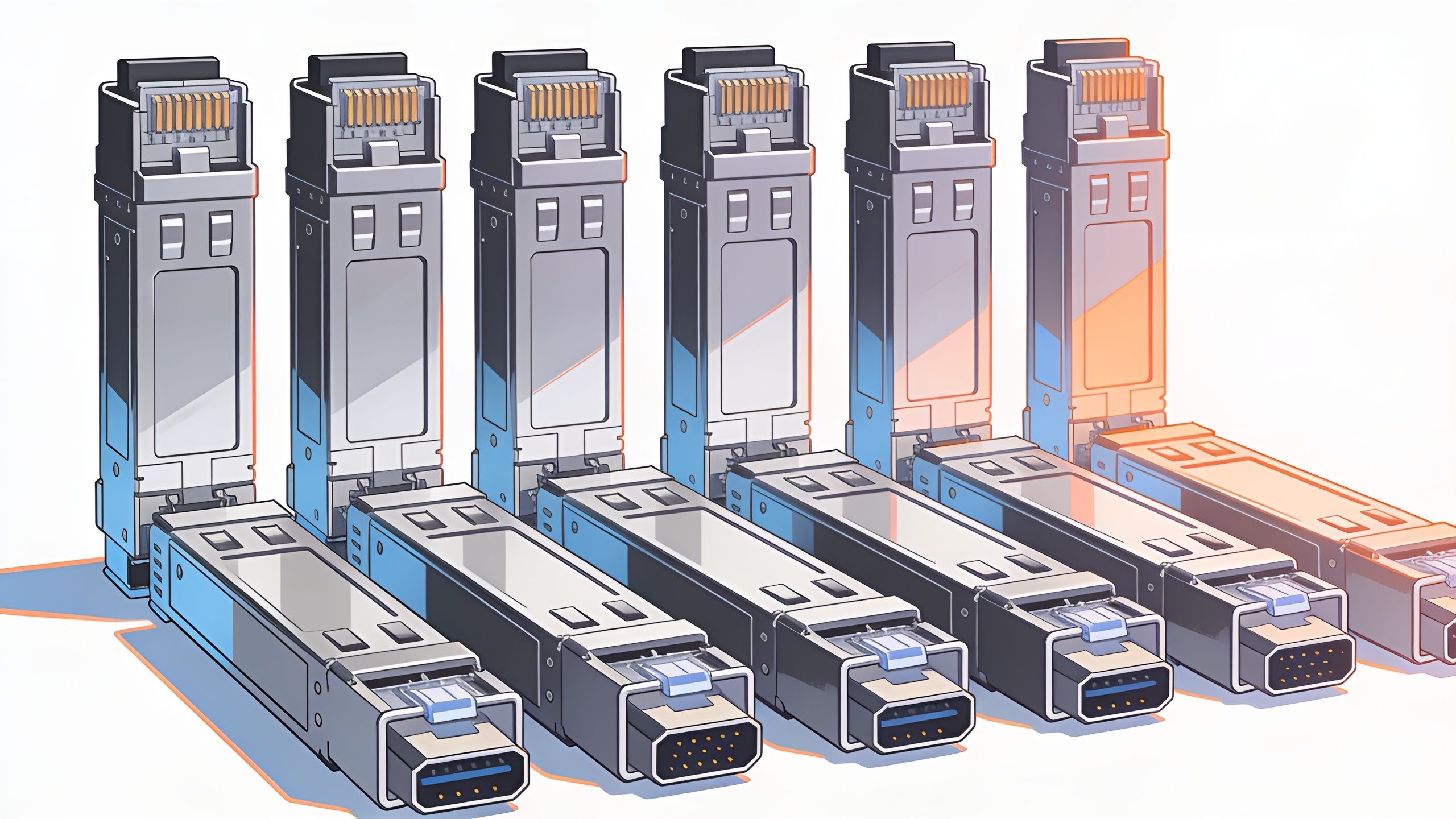
How much CPO demand will Nvidia Rubin Ultra generate? Bernstein: Optical value per Pod will increase fivefold
Bernstein believes that the co-packaged optics (CPO) and fiber demand driven by Nvidia's Rubin Ultra architecture will surge significantly, with the optical content per Pod rising from $1 million to $5.4 million. This will propel the size of Nvidia's optical ecosystem market to $46.8 billion by 2028 (a 91% annual increase). Although the industry faces supply bottlenecks with InP substrates, the outlook remains positive. The institution reiterates its “outperform” rating for Lumentum, Coherent, and Ciena.
UBS Q3 implements a two-way strategy with gold options, heavily invests in technology stocks, and builds positions in SK Hynix (SKHY.US)
UBS Group (UBS.US) has submitted its Q3 holdings report (13F) as of September 30, 2026.
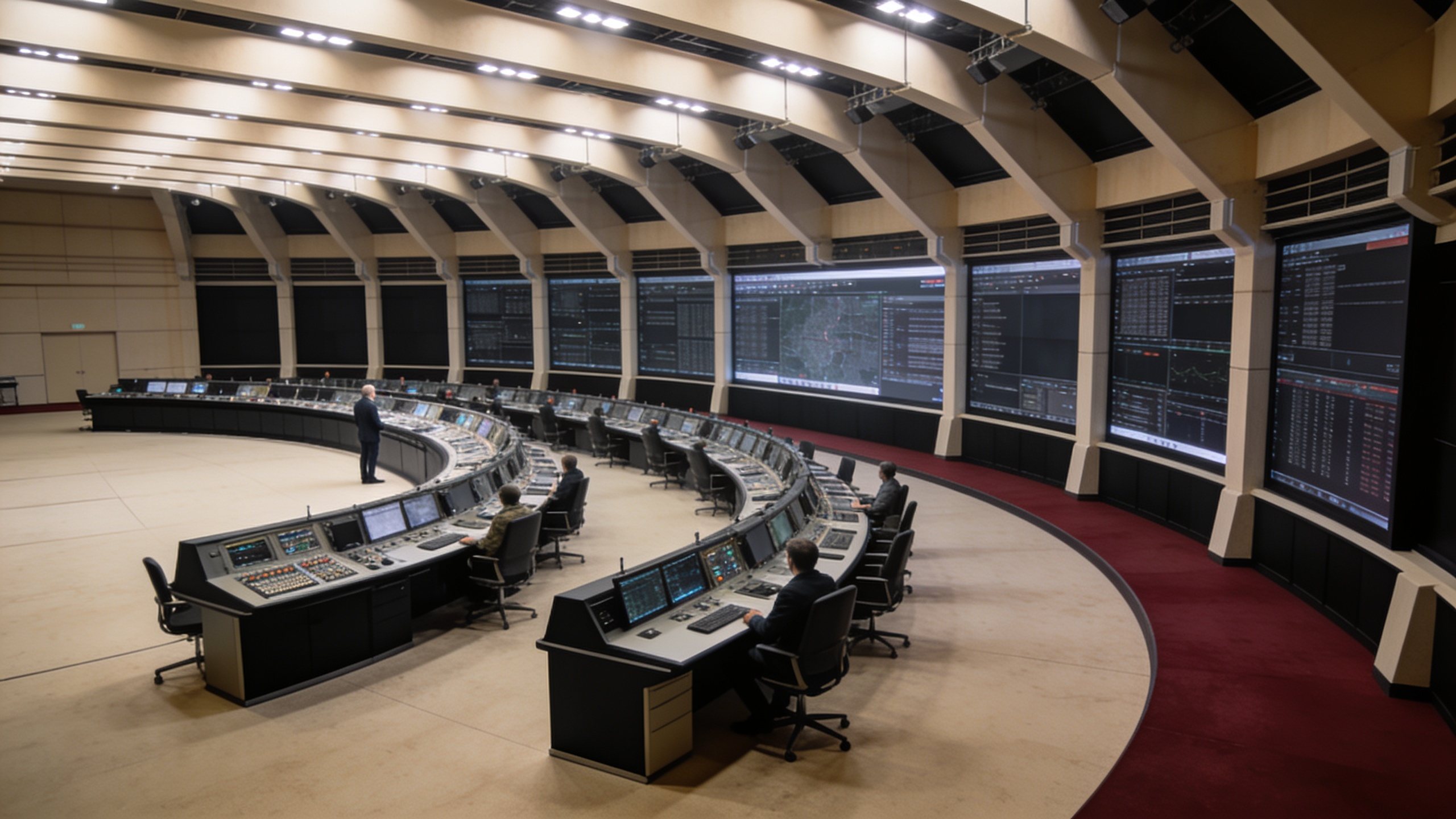
SpaceX (SPCX.US) reportedly attempts “de-Nvidiaization” at the rack level: developing Kessel cabinets to bypass L6 compute boards, purchasing only chips
SemiAnalysis: SpaceX has developed its own Kessel cabinet, bypassing Nvidia's L6 cards to provide more options for manufacturing its own hardware.
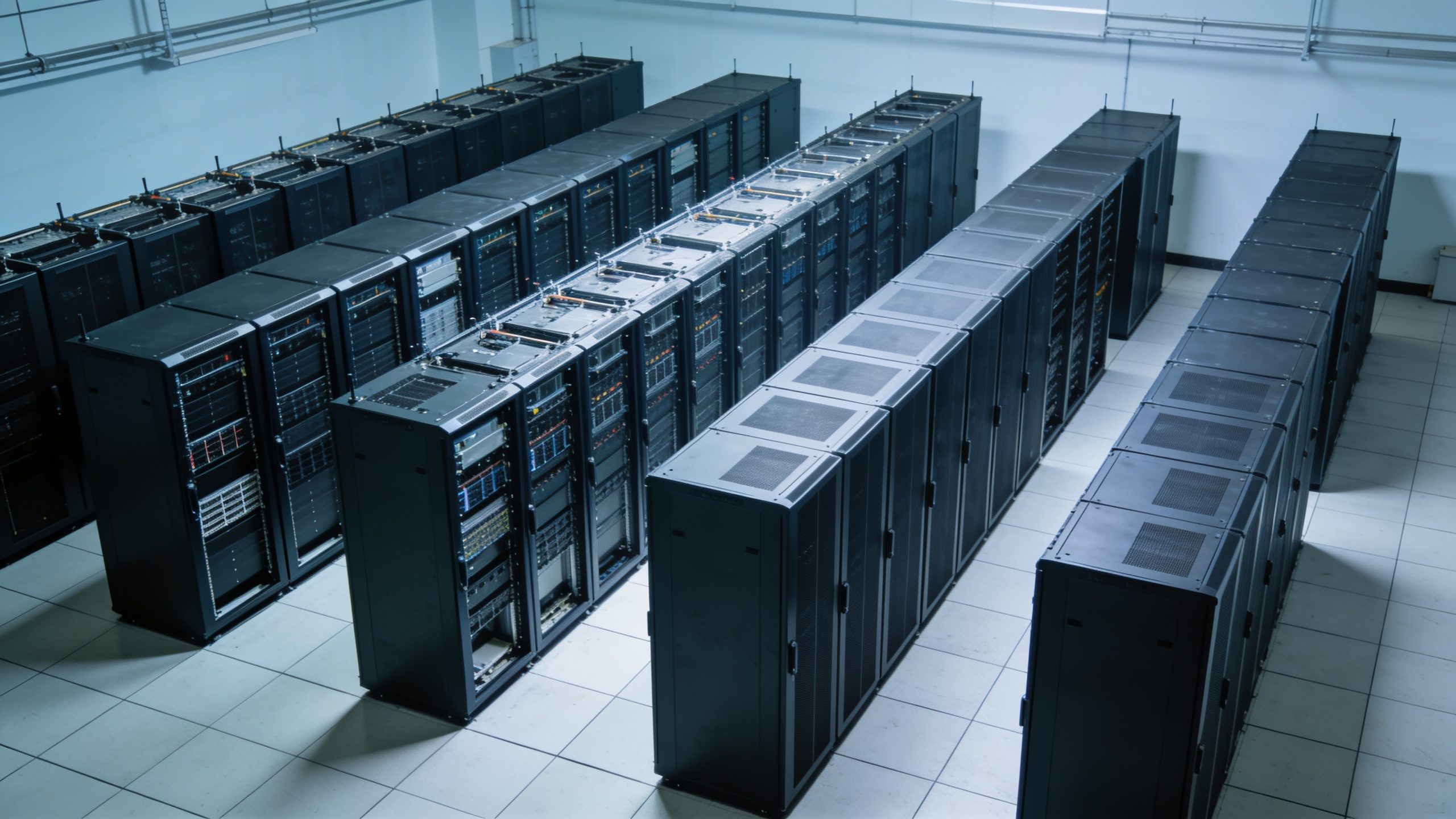
$3.7 billion “data center power equipment prepayments” abandoned! What did "the most active buyer of gas turbines", SoftBank, see?
In the second quarter of fiscal year 2026, SoftBank reported a net loss of $7.1 billion, primarily due to a $3.7 billion impairment charge from a $9.5 billion advance payment for power generation equipment for US data centers—of which about $2.9 billion was non-refundable and effectively lost. The CFO admitted that SoftBank placed orders before the project plan was finalized, and is now conducting a comprehensive review of its procurement strategy. "The most aggressive purchaser of gas turbines has now written off the deposit in this way."
Crypto prices
More


