
XRP faces renewed pressure as whale outflows spike

Large XRP holders are back to offloading their bags, and analysts fear that the impact could soon start showing up in the price.
- Large XRP holders have resumed heavy outflows, pushing the 90-day whale inflow average into negative territory.
- Analysts draw comparisons to a similar pattern earlier this year that preceded a 50% price drop.
- Unless whale inflows recover, analysts warn that XRP may struggle to regain bullish momentum.
On August 7, a CryptoQuant analyst flagged a sharp drop in the 90-day average whale inflow for XRP ( XRP ), noting that it has now flipped negative. The trend reflects renewed outflows from large wallets, marking a key shift from the previous accumulation trend.
Drawing historical parallels, the analyst revealed that a similar pattern played out earlier this year, occurring just before a local top in February. At the time, the downturn lasted several weeks, with prices nosediving nearly 50% in response.
While the CryptoQuant analyst noted that the current phase is shorter, he shared that the structure now forming is similar, pointing to the severe outflows with no clear signs of immediate reversal. This builds on another analyst Ali Martinez’s caution that over 720 million XRP have been offloaded in recent weeks, adding to the negative pressure around the token.
Large-scale movements often shape price direction, and big sell-offs like this tend to drag prices down. Analysts now warn that unless flows resume to over 5 million XRP daily, the market may remain structurally weak.
XRP’s price movement
XRP trades at $3.08 at the time of writing. Despite posting an approximate 4.7% in the past 24 hours, the token’s performance over the past week has been negative. Since dipping from its July peak of $3.6, it has struggled to reclaim upward momentum.
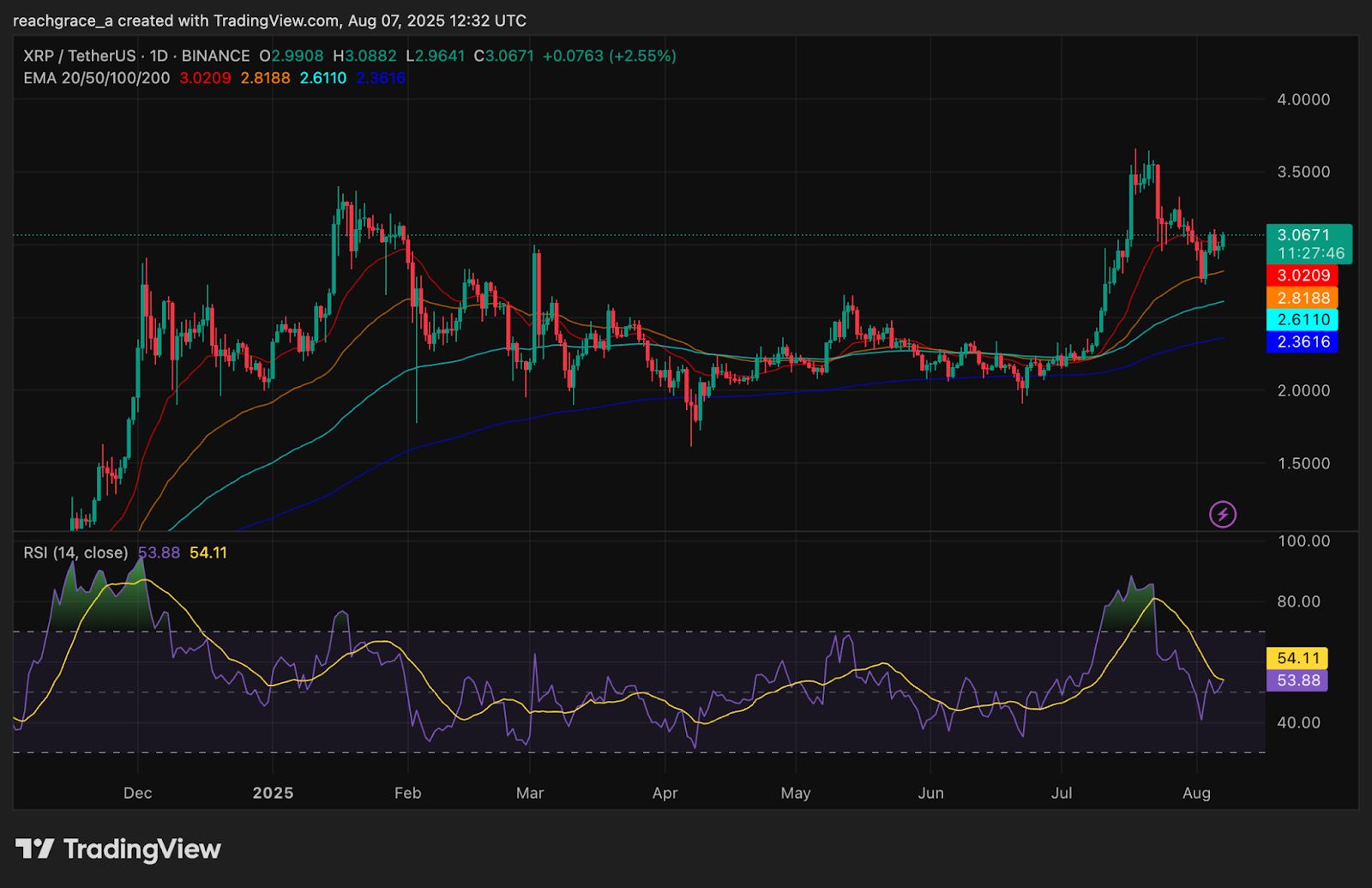 XRP price chart | Source: TradingView
On the daily chart, XRP is still showing signs of strength, holding above key moving averages. Price is still caught in a short-term range between $2.95 and $3.10, with no decisive breakout yet.
The Relative Strength Index (RSI) has climbed into neutral territory, hovering near 54. This suggests that the market is balanced for now and there’s room for price to move either day.
If whale inflows return to the range analysts are calling, it could spark fresh momentum and a push higher. But if the heavy trend of outflows continues, the market may stay under pressure, with downside risks remaining in play.
Disclaimer: The content of this article solely reflects the author's opinion and does not represent the platform in any capacity. This article is not intended to serve as a reference for making investment decisions.
You may also like
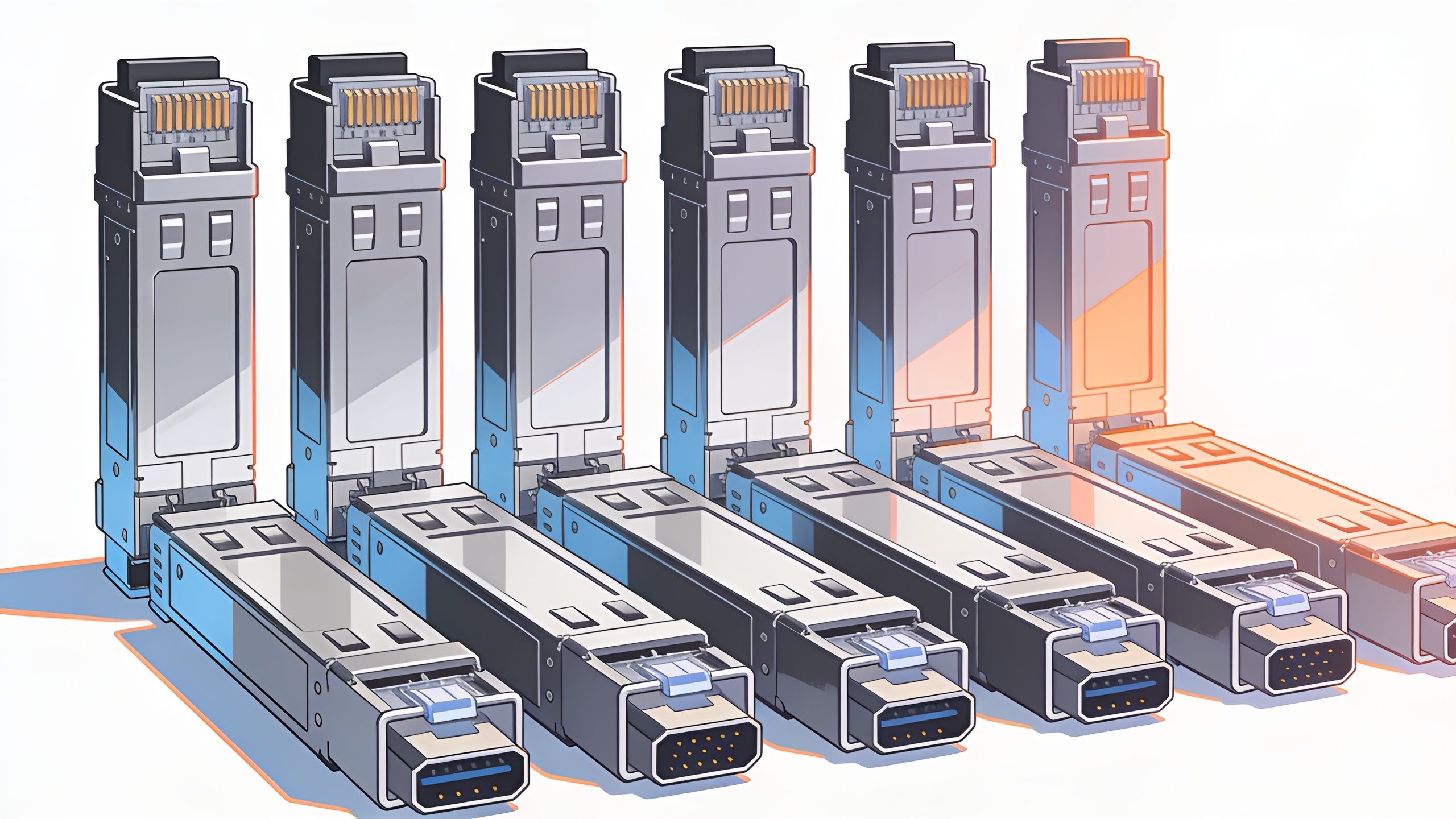
How much CPO demand will Nvidia Rubin Ultra generate? Bernstein: Optical value per Pod will increase fivefold
Bernstein believes that the co-packaged optics (CPO) and fiber demand driven by Nvidia's Rubin Ultra architecture will surge significantly, with the optical content per Pod rising from $1 million to $5.4 million. This will propel the size of Nvidia's optical ecosystem market to $46.8 billion by 2028 (a 91% annual increase). Although the industry faces supply bottlenecks with InP substrates, the outlook remains positive. The institution reiterates its “outperform” rating for Lumentum, Coherent, and Ciena.
UBS Q3 implements a two-way strategy with gold options, heavily invests in technology stocks, and builds positions in SK Hynix (SKHY.US)
UBS Group (UBS.US) has submitted its Q3 holdings report (13F) as of September 30, 2026.
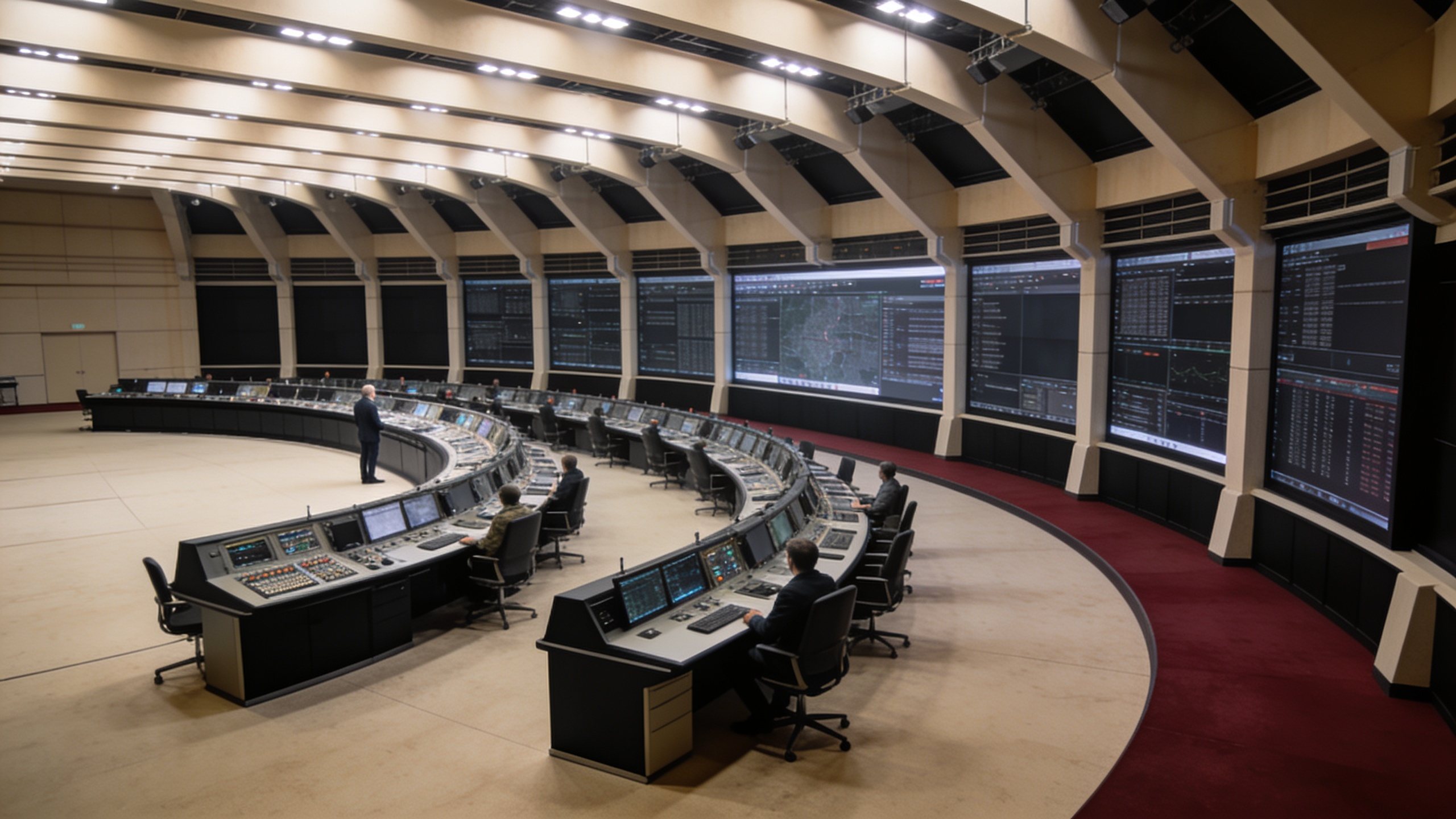
SpaceX (SPCX.US) reportedly attempts “de-Nvidiaization” at the rack level: developing Kessel cabinets to bypass L6 compute boards, purchasing only chips
SemiAnalysis: SpaceX has developed its own Kessel cabinet, bypassing Nvidia's L6 cards to provide more options for manufacturing its own hardware.

$3.7 billion “data center power equipment prepayments” abandoned! What did "the most active buyer of gas turbines", SoftBank, see?
In the second quarter of fiscal year 2026, SoftBank reported a net loss of $7.1 billion, primarily due to a $3.7 billion impairment charge from a $9.5 billion advance payment for power generation equipment for US data centers—of which about $2.9 billion was non-refundable and effectively lost. The CFO admitted that SoftBank placed orders before the project plan was finalized, and is now conducting a comprehensive review of its procurement strategy. "The most aggressive purchaser of gas turbines has now written off the deposit in this way."
Crypto prices
More


