
Bank of America: Tariffs Have a More Significant Negative Impact on the US Economy and the Dollar

Analysts at Bank of America point out that compared to other countries and currencies, U.S. tariffs have a more significant negative impact on the U.S. economy and the dollar. The bank believes that tariffs could trigger retaliatory measures, and since the scale of U.S. trade with the world exceeds that of other countries' trade with the U.S., it is more susceptible to shocks. Data will determine the fate of the dollar: if U.S. economic indicators improve, investors may begin to ignore policy noise and support the dollar; however, Bank of America expects the data to be weak, as policy uncertainty has already led to a halt in corporate hiring and investment plans, compounded by persistently high tariffs. Additionally, fiscal easing may drive up borrowing costs.
Disclaimer: The content of this article solely reflects the author's opinion and does not represent the platform in any capacity. This article is not intended to serve as a reference for making investment decisions.
You may also like
HBAR Price Eyes $0.155 as Traders Watch Key Recovery Levels

Microsoft Beats Nvidia for the First Time Since 2025: So Why Is MSFT Stock Falling?
Gunnison hits rich copper and zinc in Arizona
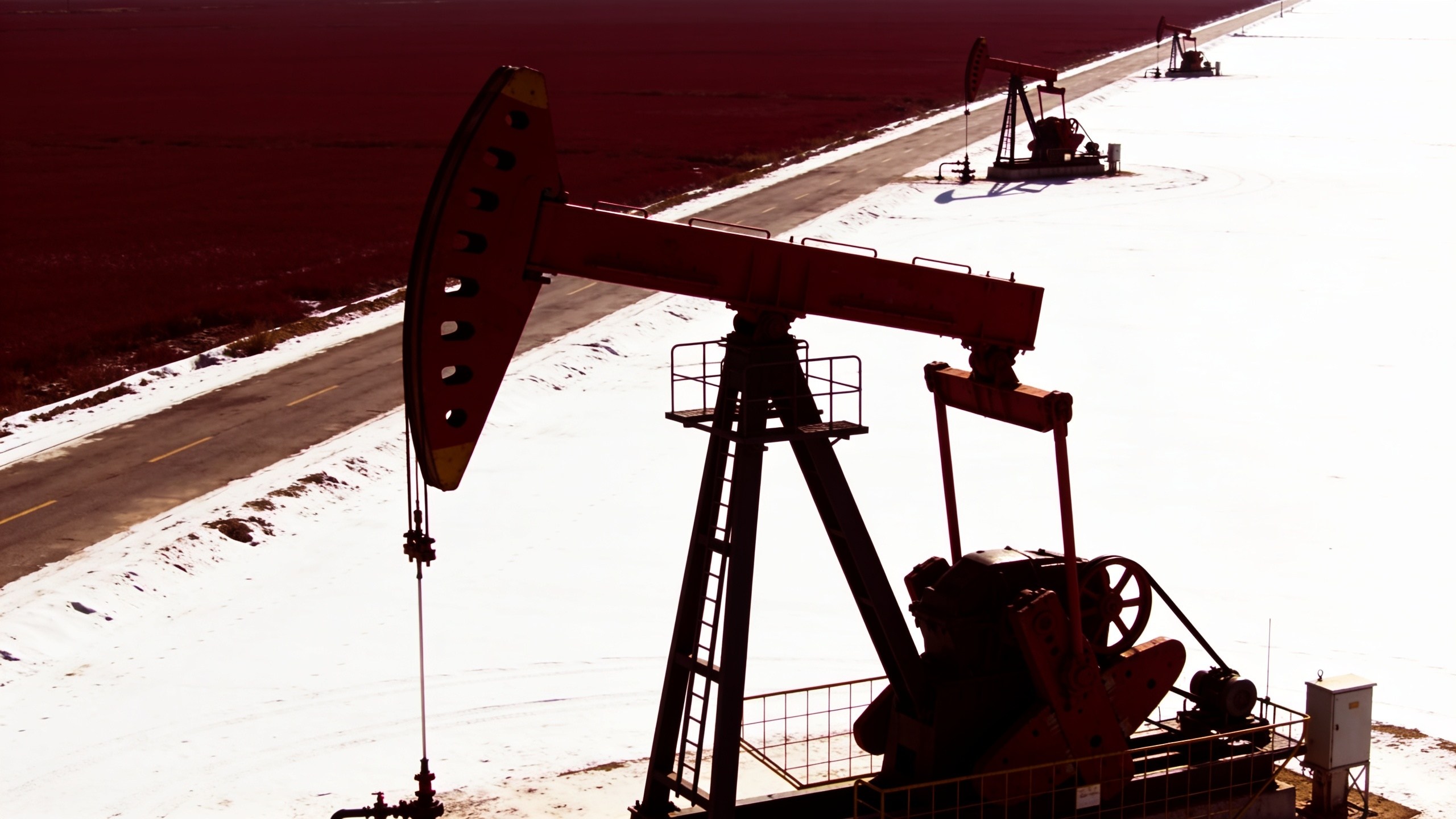
EIA expects Brent crude spot prices to remain at $100 per barrel for the rest of the year and raises the average price forecasts for this year and next.
The U.S. Energy Information Administration (EIA) has raised its forecast for average Brent crude oil prices in 2026 and 2027 to $97 and $86, respectively, reflecting pressures from global inventory declines, Middle East supply disruptions, and rising transportation costs. As oil production in the Middle East gradually recovers and global inventories rebound from low levels, the EIA expects the average spot price of Brent crude to fall to $87 per barrel in the second quarter of 2027, and further decline to $77 per barrel by the fourth quarter.
Crypto prices
More


