
Trump tariff shock spreads to U.S. IPO market as several companies' plans to go public change
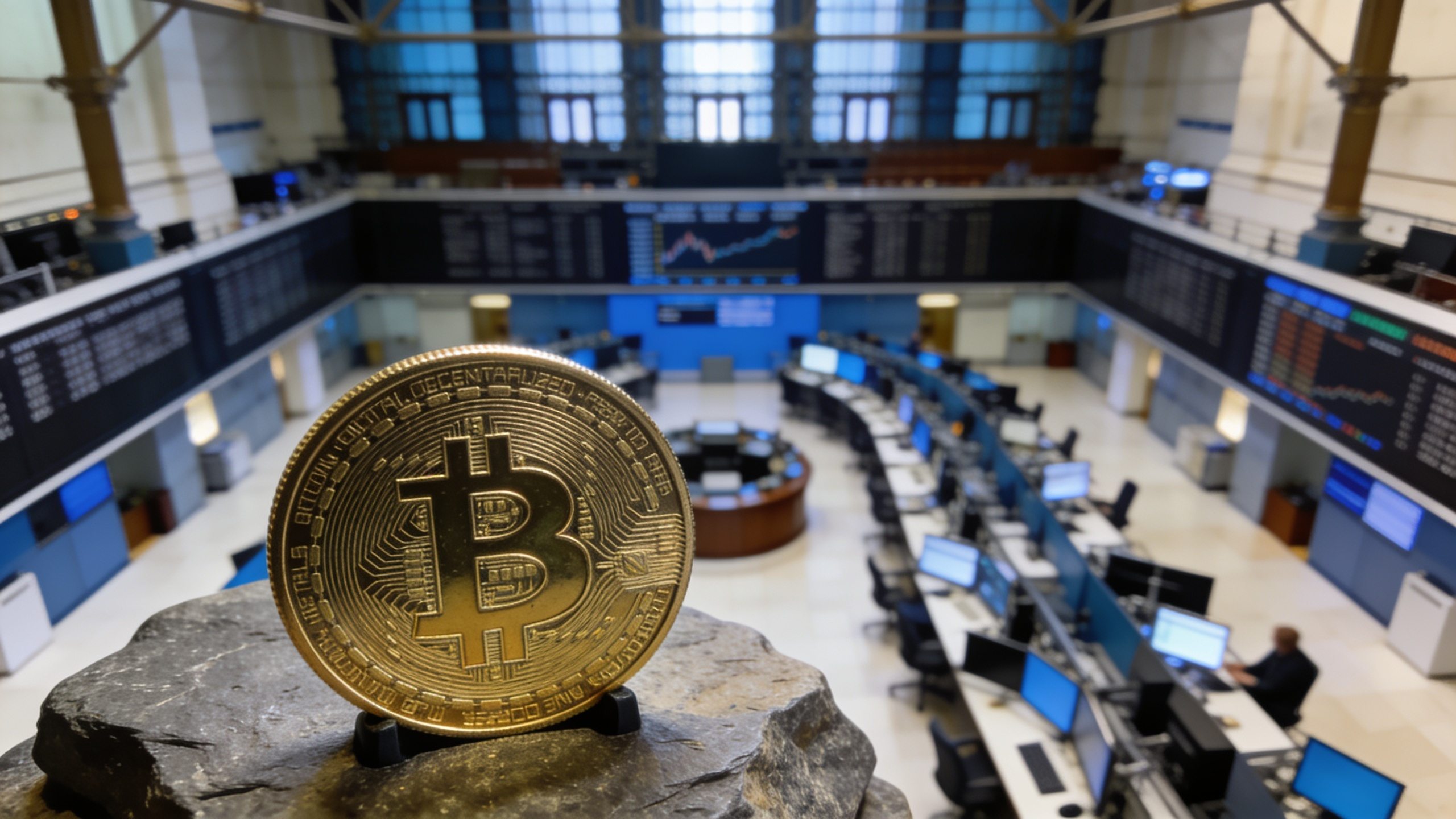
Golden Finance reports that a glimmer of hope for an imminent recovery in U.S. IPOs has vanished, according to the Wall Street Journal. Ticketing marketplace StubHub and fintech firm Klarna have postponed their IPO roadshows, which were scheduled to begin next week, according to people familiar with the matter. Chime, another fintech company that is delaying the filing of public financial reports with regulators, has also postponed its IPO, some of those people said. virtual physical therapy company Hinge Health is eyeing the market and expects to go public by the end of April, people familiar with the matter said. Cryptocurrency company Circle is close to the next step of going public, but is now anxiously watching before deciding what to do. In addition, there are reports that Medline, a medical technology company, is delaying its U.S. IPO. the stock market crash on Thursday and Friday closed the door on companies waiting to go public. The U.S. IPO market has gone through a rough patch over the past three years, but many bankers and lawyers were hopeful that 2025 would be the year IPOs returned to their normal pace. Instead, a global trade war is roiling the stock market, rattling investors and executives alike.
Disclaimer: The content of this article solely reflects the author's opinion and does not represent the platform in any capacity. This article is not intended to serve as a reference for making investment decisions.
You may also like
Bitmine Buys 9,587 ETH as Holdings Near 5% of Ethereum Supply
Ekopak Expands Wastewater Treatment Plant at Mark Anthony Brewing
Vodafone (VOD.US) Swings to Loss in First Half, German Operations Major Drag
Vodafone (VOD.US) released its financial results for the first half of fiscal year 2027.
AI gamble backfires! Data center project writedowns and weak tech stock positions drag down SoftBank (SFTBY.US) to a Q2 loss of $7.1 billion
SoftBank recorded its first net loss in nearly two years due to a $3.7 billion impairment loss arising from a U.S. data center project, coupled with mounting market concerns over the sustainability of artificial intelligence (AI) growth impacting the investment giant’s key holdings.
Crypto prices
More


