
Bitcoin dominance rises to 58% as altcoins struggle, legacy tokens show strength

Bitcoin’s ability to maintain its market dominance without significant price appreciation remains a key consideration, particularly as legacy cryptos show renewed strength.The following is an excerpt from The Block’s Data and Insights newsletter.
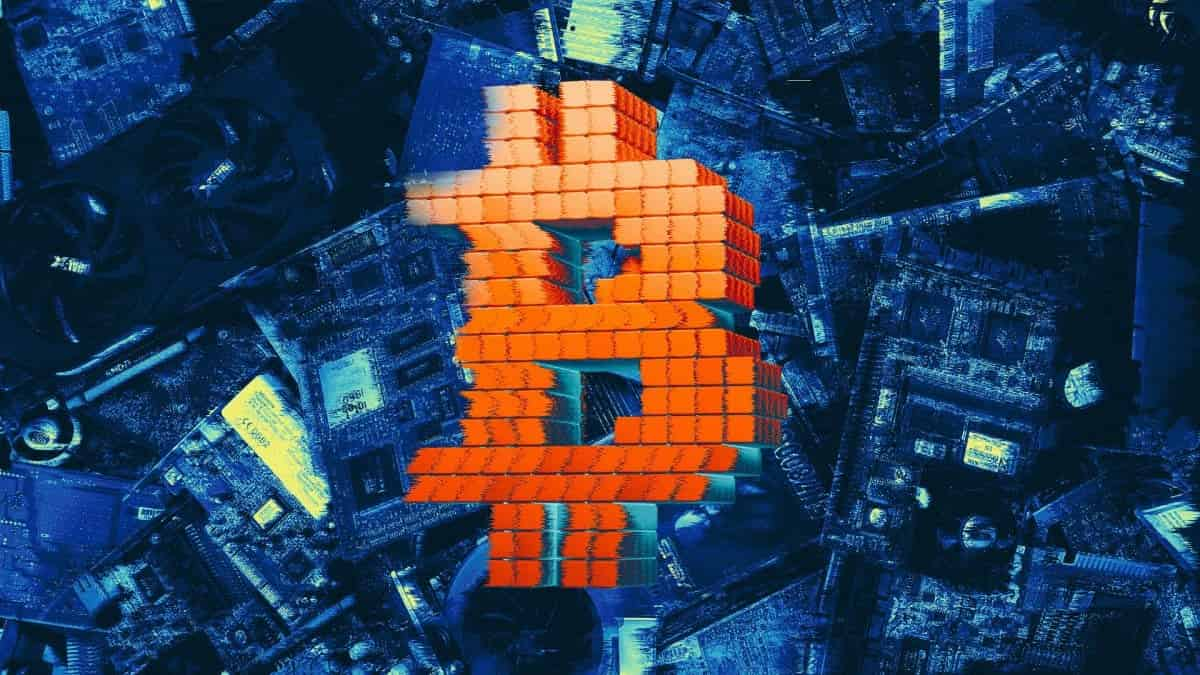
As of Feb. 3, Bitcoin's market dominance increased to 58.8% from its December low of 51%, while the total cryptocurrency market capitalization remains stable at $3.5 trillion.
The rise in dominance suggests a rotation of capital from altcoins to Bitcoin, with TOTAL2 (total crypto market cap excluding Bitcoin) declining from $1.6 trillion to $1.3 trillion. Bitcoin's price has maintained relative stability between $90,000-$100,000 since November 2024, indicating the dominance increase stems from altcoin weakness rather than Bitcoin's strength.
The last cycle’s legacy coins show renewed market strength against bitcoin. XRP, litecoin and LEO have outperformed Bitcoin with monthly gains of 19%, 10% and 7%, respectively, compared to bitcoin's 3.5% increase. This trend suggests a potential shift in investor preference toward cryptocurrencies with longer market histories and established follower bases.
Market fragmentation continues to increase as exchanges expand their offerings. Major exchanges like Coinbase and Kraken have each added approximately 100 new spot trading pairs in the last 12 months. The proliferation of token creation platforms, particularly Pump.fun, has contributed to liquidity fragmentation across the market as it is substantially cheaper to issue new speculative tokens.
Bitcoin's ability to maintain its market dominance without significant price appreciation remains a key consideration, particularly as legacy cryptocurrencies show renewed strength. The trend of established coins outperforming newer tokens could signal that retail investors are returning and buying tokens they are familiar with.
Meanwhile, the ongoing proliferation of new tokens through platforms like Pump.fun continues to fragment liquidity across the market as tokens compete for mindshare. The market's response to these evolving conditions, along with potential institutional capital flows, will likely determine whether current trends persist or shift in the coming weeks.
Disclaimer: The content of this article solely reflects the author's opinion and does not represent the platform in any capacity. This article is not intended to serve as a reference for making investment decisions.
You may also like
Grayscale and a16z Flag AI Compute as the Next Major Derivatives Market
Goldman Sachs Identifies Key Trend Lines; Nasdaq's Last Line of Defense Is in Jeopardy
The Nasdaq 100 Index has declined for four consecutive weeks and is currently testing a key trend line connecting the 2025 and 2026 lows at 26,630 points. Despite strong third-quarter earnings, heightened risk aversion and surging panic indicators have led investors to factor in potential slowdown expectations for 2028, causing stock prices to continue falling. With significant outflows of foreign capital and sharp valuation divergences, the market is awaiting the test of this week's CPI data and chip giant earnings reports.

Goldman Sachs backs Oracle (ORCL.US): AI financing concerns may be exaggerated; risks of ongoing projects are controllable
Goldman Sachs maintains a "Buy" rating for Oracle with a 12-month target price of $206.
Why Are Bitcoin and US Stock Market Falling? Will the Sell-Off Continue This Week?
Crypto prices
More


