
Starknet released the roadmap for the first half of the year, planning to launch version v0.13.4 in February
Starknet has released its Q1 and Q2 roadmap, with the v0.13.4 version expected to launch in February 2025. The main features of this version include state compression, L2 gas fees, a try/catch mechanism for failed function calls, etc., and it may add native Cairo support (from Sierra to LLVM) and nonce channels. The anticipated effects are reduced costs, improved user and developer experience, and enhanced performance.
In addition, Starknet will launch the v0.14.0 version in the second quarter of 2025 with major updates including 2-second block production time, memory pool optimization, fee market mechanism; introducing distributed sorter architecture and Stwo integration. Starknet will also initiate Phase 2 staking in the second quarter of 2025 where validators will begin validating blocks with an aim to further decentralization.
Disclaimer: The content of this article solely reflects the author's opinion and does not represent the platform in any capacity. This article is not intended to serve as a reference for making investment decisions.
You may also like
Rumor: Tesla (TSLA.US) and SpaceX (SPCX.US) plan Terafab monthly production of one million wafers, feasibility questioned
According to reports, Tesla (TSLA.US) and SpaceX (SPCX.US) plan to achieve a production capacity of 1 million semiconductor wafers per month at the proposed Terafab factory starting in 2032.

Eurozone Sentix Investor Confidence Index slips to 2.4 in November from 2.7 in October

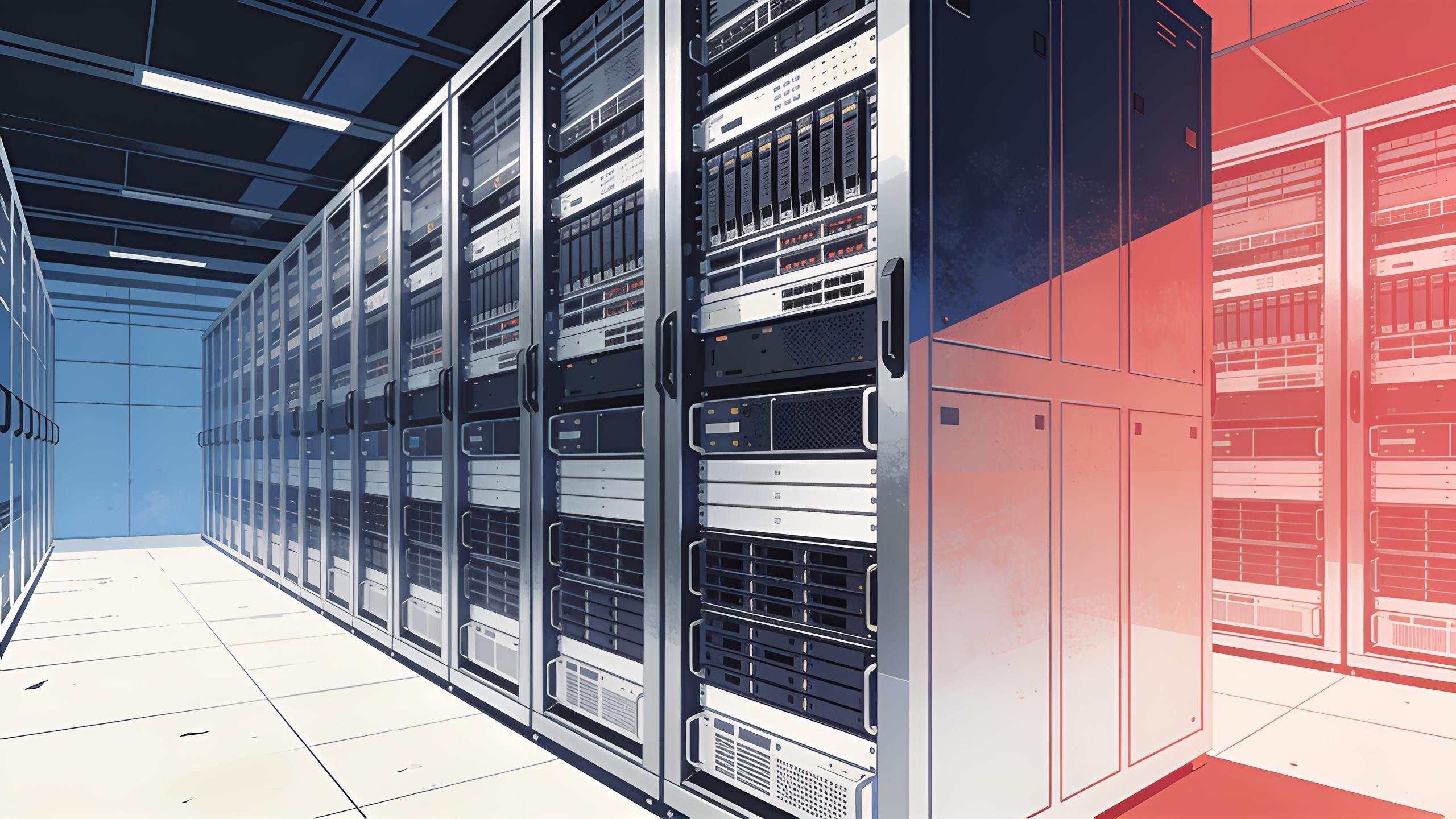
SoftBank develops contingency plans for slowdown in US data center business, considers shifting to other countries
A new twist has emerged in the US AI data center investment boom. SoftBank is preparing for cooling US demand and a deteriorating political environment, and does not rule out shifting data center construction priorities to other countries. As cross-border computing power delivery capability improves and investment returns come under question, the logic behind AI infrastructure expansion is loosening, and over $3.5 trillion in infrastructure investment now faces potential impairment risks.
Crypto prices
More


