
Analysis: The US CPI increase in December was slightly higher than expected, it is predicted that the Federal Reserve will not cut interest rates in January
ChainCatcher News, according to Jinshi reports, the US CPI increase in December was slightly higher than expected due to rising energy product costs, indicating that inflation is still on the rise. This aligns with the Federal Reserve's expectation of smaller interest rate cuts this year.
The overall US CPI rose by 0.4% monthly and 2.9% annually in December; core CPI has risen by 0.3% for four consecutive months, with an annual increase of 3.2%. In the second half of last year, efforts to pull back inflation rates to the Fed's target of 2% encountered obstacles. A strong economy, threats of widespread tariffs on imported goods and large-scale deportation of undocumented immigrants also prompted the Fed to expect smaller interest rate cuts this year.
In addition, Trump has also promised tax cuts which will stimulate the economy; consumer inflation expectations soared in January as households worry about tariffs increasing commodity prices. It is expected that the Federal Reserve will not cut interest rates in January.
Disclaimer: The content of this article solely reflects the author's opinion and does not represent the platform in any capacity. This article is not intended to serve as a reference for making investment decisions.
You may also like
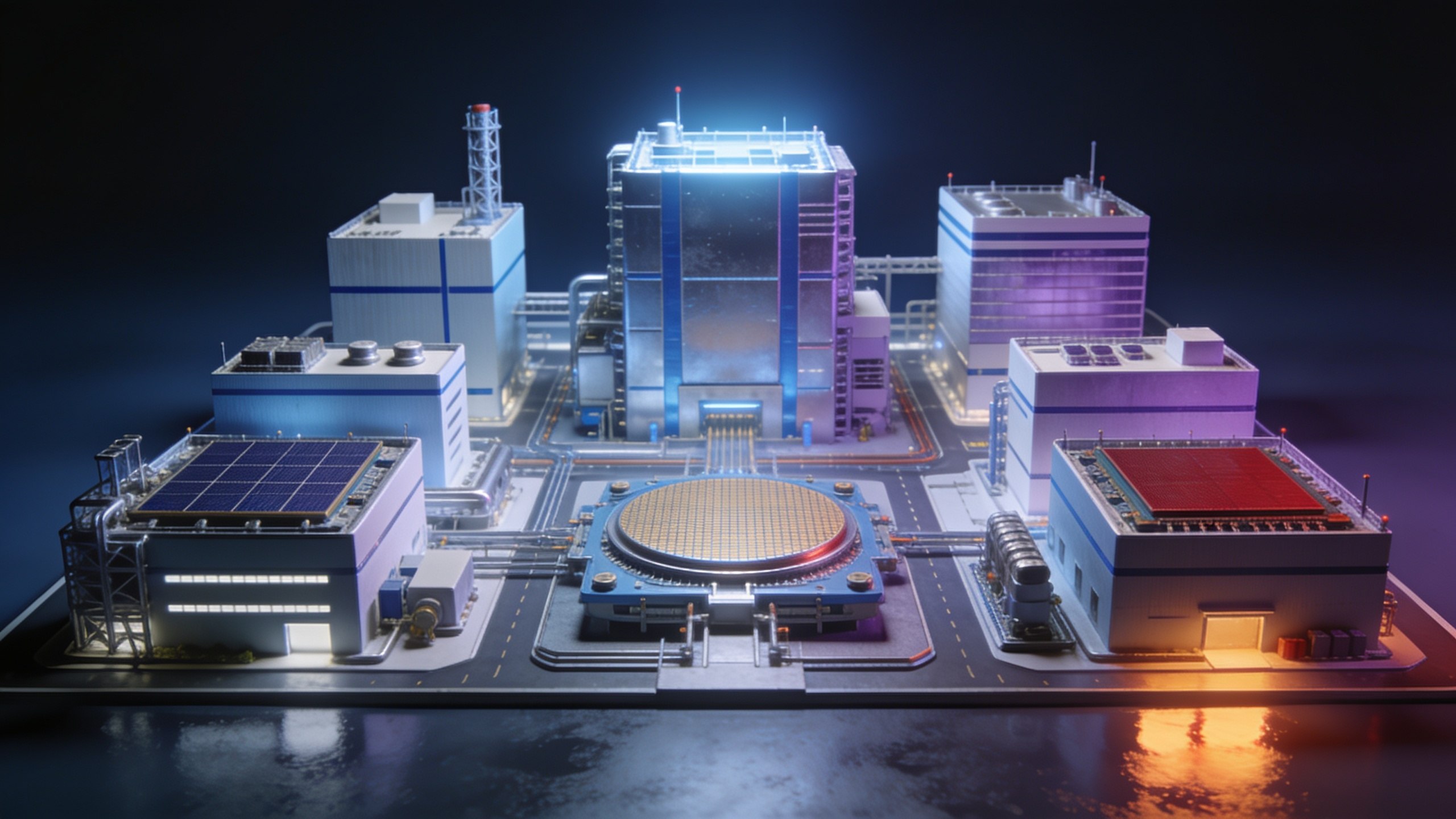
Rumor: Tesla (TSLA.US) and SpaceX (SPCX.US) plan Terafab monthly production of one million wafers, feasibility questioned
According to reports, Tesla (TSLA.US) and SpaceX (SPCX.US) plan to achieve a production capacity of 1 million semiconductor wafers per month at the proposed Terafab factory starting in 2032.
Eurozone Sentix Investor Confidence Index slips to 2.4 in November from 2.7 in October


SoftBank develops contingency plans for slowdown in US data center business, considers shifting to other countries
A new twist has emerged in the US AI data center investment boom. SoftBank is preparing for cooling US demand and a deteriorating political environment, and does not rule out shifting data center construction priorities to other countries. As cross-border computing power delivery capability improves and investment returns come under question, the logic behind AI infrastructure expansion is loosening, and over $3.5 trillion in infrastructure investment now faces potential impairment risks.
Crypto prices
More


