
El Salvador to Scale Back Bitcoin Programme to Reach $1.3 Billion IMF Loan Deal
El Salvador is expected to reach an agreement with the International Monetary Fund on a $1.3bn loan programme in the next two to three weeks to spearhead reforms to support the use of bitcoin as legal tender and cut the deficit, according to the Financial Times, citing two people close to the negotiations. An International Monetary Fund (IMF) mission has arrived in San Salvador to finalise the details of the deal with the government of President Naib Buclé. Sources close to the matter said the deal is expected to secure another $1bn in loans from the World Bank and Inter-American Development Bank over the next few years.
The IMF has opposed El Salvador's adoption of digital currencies, citing risks to financial stability and integrity, and has urged the Bukele government to stop accepting cryptocurrencies as legal tender. Under the terms of the agreement finalised with the Washington-based fund, El Salvador will remove legal requirements for businesses to accept Bitcoin as a payment method.
Disclaimer: The content of this article solely reflects the author's opinion and does not represent the platform in any capacity. This article is not intended to serve as a reference for making investment decisions.
You may also like
Tesla (TSLA.US) drops over 10% in a week, but ARK keeps buying! Cathie Wood: This is the moment we've been waiting for
Despite the recent volatility in Tesla's stock price, ARK Invest founder Cathie Wood, known as the "Goddess of Wall Street," remains optimistic about the company.

U.S. stock futures fluctuate by $650 billions due to news related to Jensen Huang

Nikkei Average Index gains expand to 2.78%

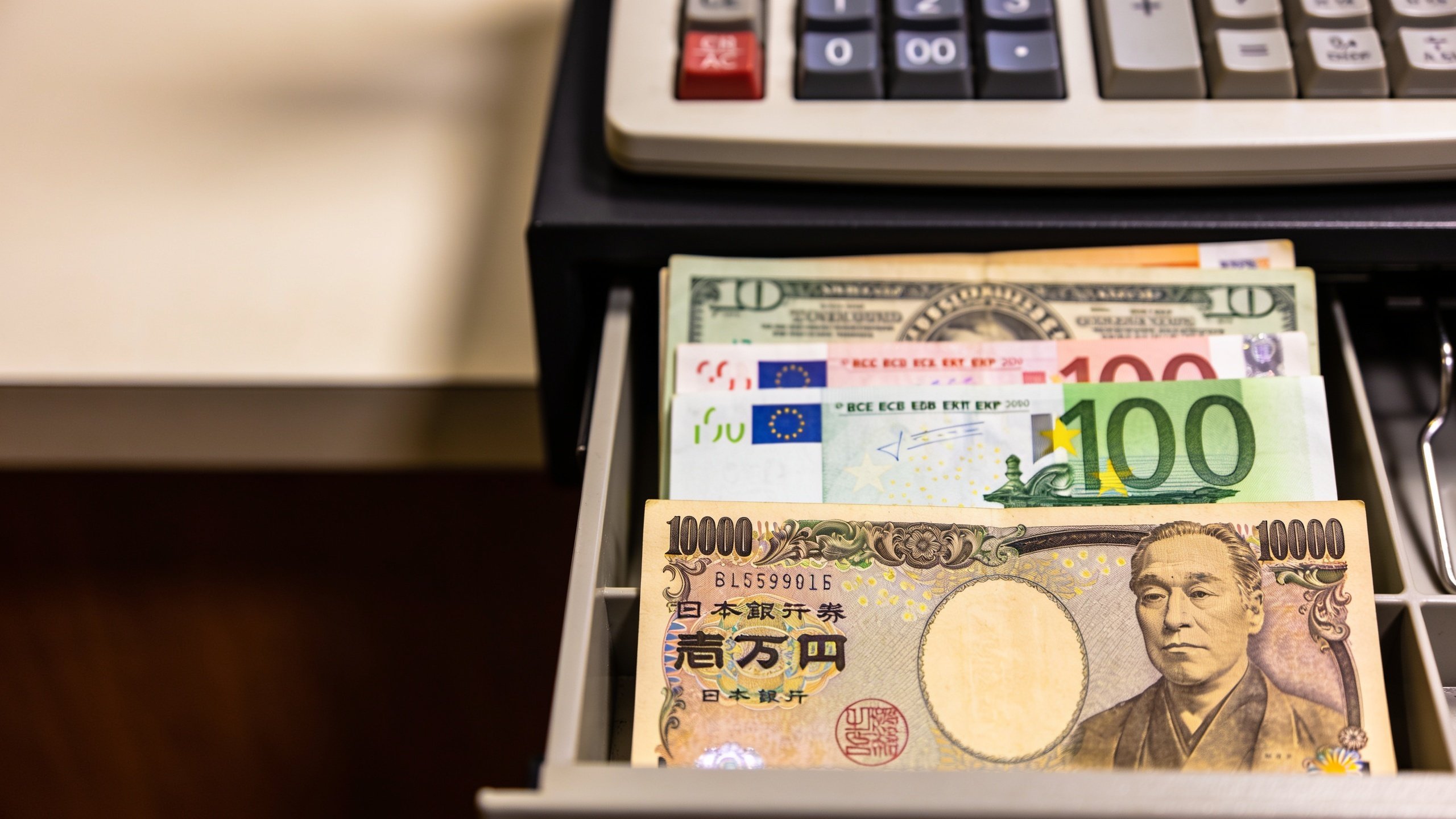
Surprise! Japan intervened in the forex market three times this summer, selling a record 154 trillion yen in three days
Japan has confirmed that it intervened in the foreign exchange market three times this summer, buying yen to support the exchange rate, corroborating earlier market reports. This included the first joint intervention with the United States to support the yen in nearly thirty years.
Crypto prices
More


