
Forbes: Bitcoin inflation rate after halving is 75% lower than the current US inflation rate

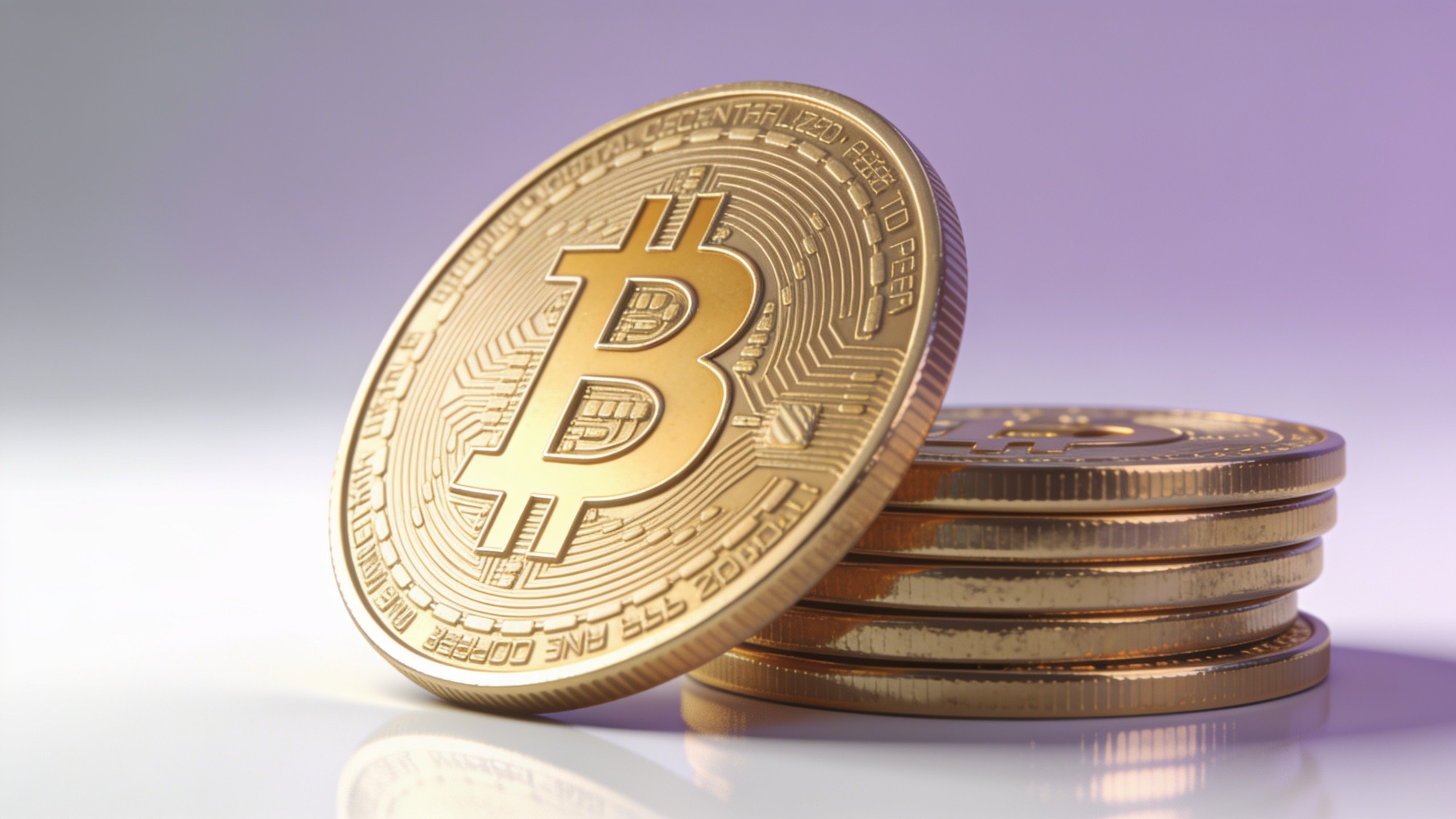
It was reported that the inflation rate of Bitcoin after halving is now 75% lower than the current inflation rate in the United States, and 72% lower than the annual issuance of gold. After the Bitcoin halving in April, the block reward was reduced from 6.25 BTC to 3.125 BTC, which had a significant impact on the issuance rate of cryptocurrency. Each halving event reduces the supply of new Bitcoin, tightens the market supply, and may increase asset value over time. Currently, about 450 BTC are mined every day, and the current inflation rate of Bitcoin is about 0.84%, while the latest inflation data in the United States in May is 3.4%. The decrease in the inflation rate of Bitcoin is an important milestone, as it is now even lower than the lower limit of the annual inflation rate of gold, which is between 1% and 3% per year. The issuance of gold mining leads to a 1% increase in supply, and recycled gold is also included in its inflation rate, resulting in a net increase in the circulation supply of gold by 3% in 2023.
Disclaimer: The content of this article solely reflects the author's opinion and does not represent the platform in any capacity. This article is not intended to serve as a reference for making investment decisions.
You may also like
Ethereum falls 8% to $2,200 as ETF outflows hit $99.9 million
Bitcoin price dips under $75K as crypto markets miss tech-stock rebound

October Non-farm Payrolls Reignite December Rate Hike Expectations! Wall Street Bets Probability Over 80%, "New Fed News Agency": AI Sell-off May Become a Policy Variable
After the non-farm payroll report, traders' bets on a December rate hike surged to as high as 85%. Wall Street analysts believe the report provides room for further rate hikes, bringing renewed pressure for a hike at a time when post-election market concerns over slowing AI development might dampen expectations. Some remain cautious about a December hike, as stock market volatility and AI investment prospects could restrain the Federal Reserve. "New Fed News Agency" notes the report has not shaken the Fed's outlook on economic growth and inflation, but whether AI asset sell-offs change financial conditions could become a new variable for the December decision. Attention should be paid to whether Waller values lagging employment data or forward-looking market signals.

Crypto prices
More


