Bitget App
Trade smarter
Buy cryptoMarketsTradeFuturesStocksEarnInstitutionAI & More
This Week Spotlight: Solana, LINK Outshine as Bitcoin Stabilizes at $67K

This Week Spotlight: Solana, LINK Outshine as Bitcoin Stabilizes at $67K

CoineditionCoinedition2024/05/19 18:49
By:Abdulkarim Abdulwahab
  • Bitcoin reclaims the $67K threshold following the U.S. CPI report for April.
  • Solana, LINK, and FTM registered double-digit percentage growth this week.
  • However, WIF and TON experienced the most significant drop among the larger-cap altcoins.

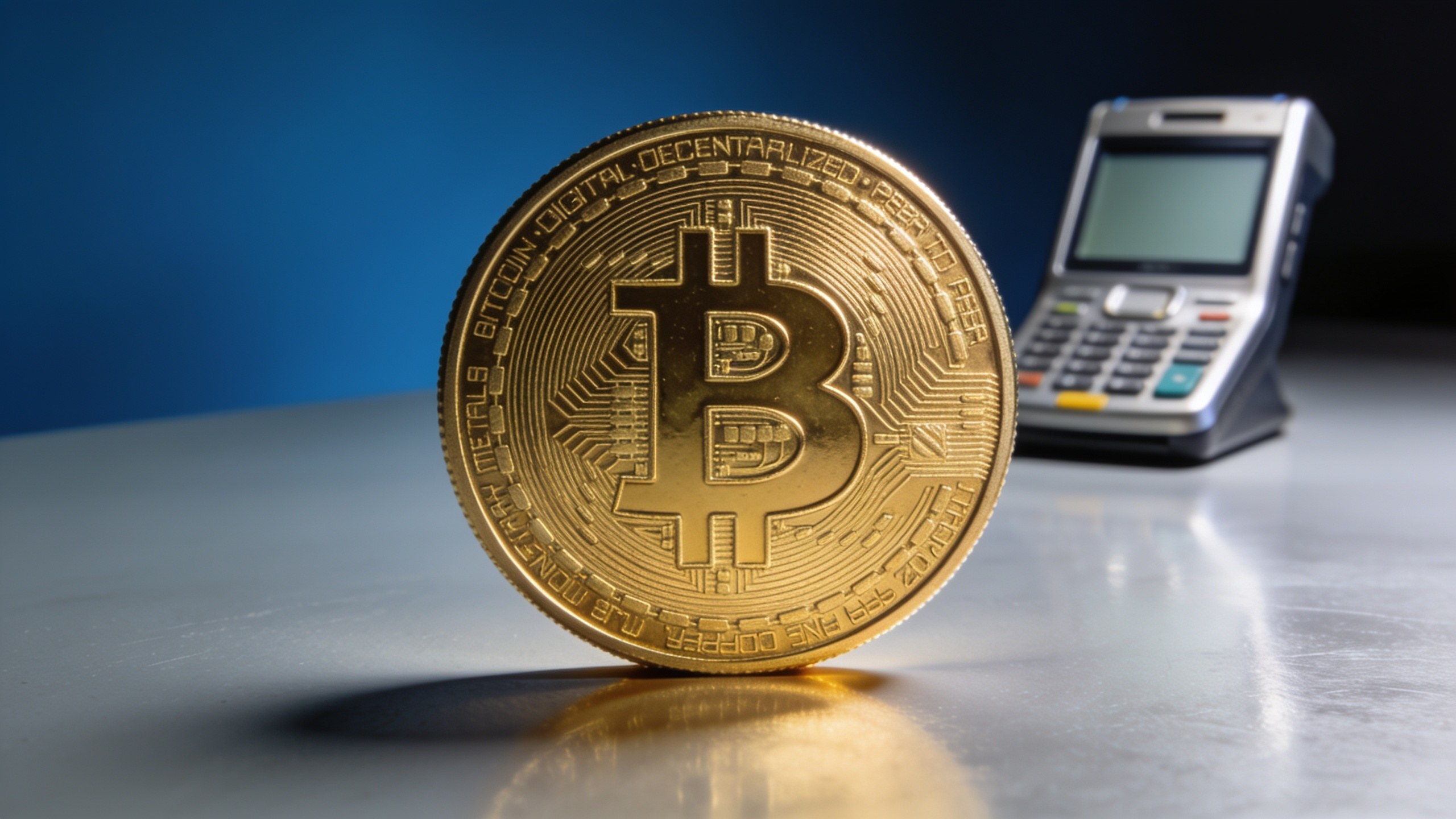
The cryptocurrency market has witnessed a relatively calm period, with Bitcoin (BTC) consolidating around the $67,000 mark. After a brief dip to $60,000 last Friday, the premier digital asset has shown resilience, bouncing back significantly following the U.S. CPI announcement for April.

Bitcoin’s journey saw it climb to over $63,000 at the start of the week, only to experience a minor pullback to $61,200 prior to the CPI data release. However, the figures acted as a catalyst, propelling BTC to a high of over $66,500 , a price point not seen since mid-April. 

Although there was a slight retracement, the bulls maintained their momentum, nearly touching $67,500. Currently, Bitcoin’s market cap stands at $1.320 trillion, commanding a 51.7% dominance over altcoins.

Amid Bitcoin’s movement, certain altcoins have made impressive strides over the week. Solana (SOL) has surged by 18.85%, reaching a multi-week peak above $175.78. Similarly, Chainlink (LINK) has witnessed a 23% increase, approaching $16.79. 

Other notable weekly gainers among the most prominent assets include Avalanche (AVAX), which has registered a 15% growth, having reclaimed $37.73. Also, NEAR and Bitcoin Cash (BCH) recorded a 13% gain, while Fantom (FTM) saw a more substantial 23% uptick.

On the flip side, Dogwifhat (WIF) has experienced the most significant drop among the larger-cap altcoins, shedding over 14.47% of its value over the past week. Likewise, Toncoin (TON) saw a comparable loss of 9% in its one-week trajectory. BNB, Optimism (OP),  and Tron (TRX) have also seen marginal losses.

Disclaimer: The information presented in this article is for informational and educational purposes only. The article does not constitute financial advice or advice of any kind. Coin Edition is not responsible for any losses incurred as a result of the utilization of content, products, or services mentioned. Readers are advised to exercise caution before taking any action related to the company.

0
0

Disclaimer: The content of this article solely reflects the author's opinion and does not represent the platform in any capacity. This article is not intended to serve as a reference for making investment decisions.

Understand the market, then trade.
Bitget offers one-stop trading for cryptocurrencies, stocks, and gold.
Trade now!

You may also like

AI "New Cloud" rebounds sharply after overselling, quickly cooling down! CoreWeave briefly switched from gains to losses, IREN's gains slashed by half

On Thursday, US stocks in the AI sector experienced a sharp sell-off, with CoreWeave, Nebius, and IREN dropping by approximately 10%, 15%, and 17% respectively. After Thursday's close, IREN's earnings report exceeded expectations with significant revenue growth from its AI Cloud business. Combined with a broad rebound in tech stocks on Friday, US pre-market saw CoreWeave up 9.3%, IREN up 24.6%, and Nebius up 13.7%. However, during the US market midday session, American media reported that Microsoft will not renew part of its computing power lease with Oracle, once again dampening the slightly improved market sentiment and narrowing gains in the Neocloud sector.

华尔街见闻•2026/11/06 20:02
AI "New Cloud" rebounds sharply after overselling, quickly cooling down! CoreWeave briefly switched from gains to losses, IREN's gains slashed by half

1998 VS 2000, Goldman Sachs executive: AI sell-off resembles LTCM crisis rather than the internet bubble, but key questions remain unanswered

Goldman Sachs Delta One Trading Head Privorotsky is more inclined to compare the recent sharp decline to the 1998 LTCM crisis, which was a liquidity shock. At that time, the fundamentals of US economic growth remained sound, and once liquidity was restored and the Fed cut rates, the market quickly recovered its losses. However, the current market does not have the support of Fed rate cuts. Privorotsky also pointed out that the real issue for AI now is whether revenues can ultimately match the capital invested, a question that remains unanswered.

华尔街见闻•2026/11/06 19:47
1998 VS 2000, Goldman Sachs executive: AI sell-off resembles LTCM crisis rather than the internet bubble, but key questions remain unanswered