Bitcoin ( BTC ) saw snap losses into the Feb. 13 Wall Street open as United States inflation data dealt a blow to risk assets.
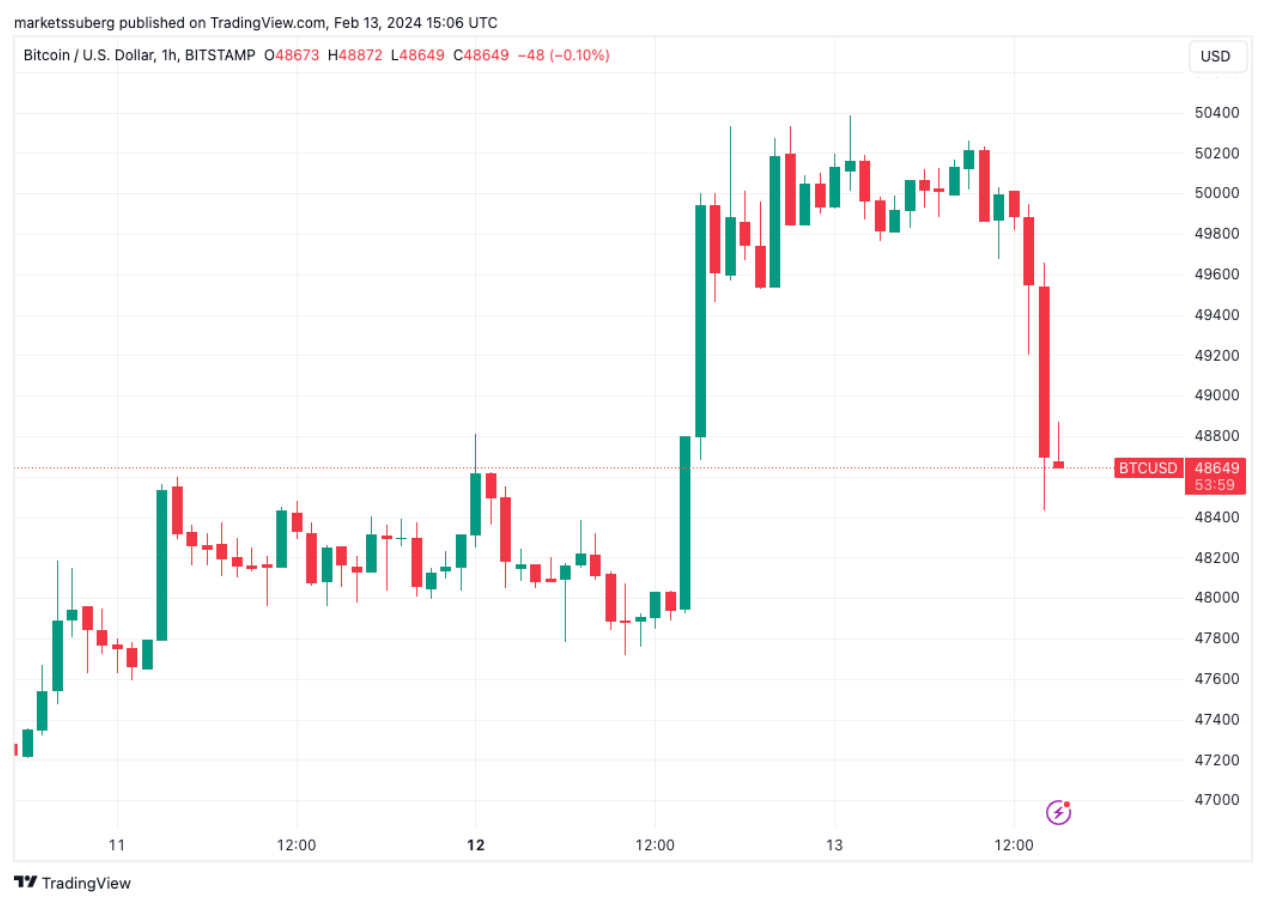

Bitcoin ( BTC ) saw snap losses into the Feb. 13 Wall Street open as United States inflation data dealt a blow to risk assets.
Data from Cointelegraph markets Pro and TradingView followed a 3.8% BTC price decline on the day, bottoming at $48,435 on Bitstamp.
Bitcoin reacted badly to the January Consumer Price Index (CPI) print, which exceeded expectations.
Month-on-month CPI came in at 0.3%, with the year-on-year figure at 3.1% — 0.1% and 0.3% higher than predicted, respectively.
"The index for shelter continued to rise in January, increasing 0.6 percent and contributing over two thirds of the monthly all items increase. The food index increased 0.4 percent in January, as the food at home index increased 0.4 percent and the food away from home index rose 0.5 percent over the month," an official press release from the U.S. Bureau of Labor Statistics read.
"In contrast, the energy index fell 0.9 percent over the month due in large part to the decline in the gasoline index."
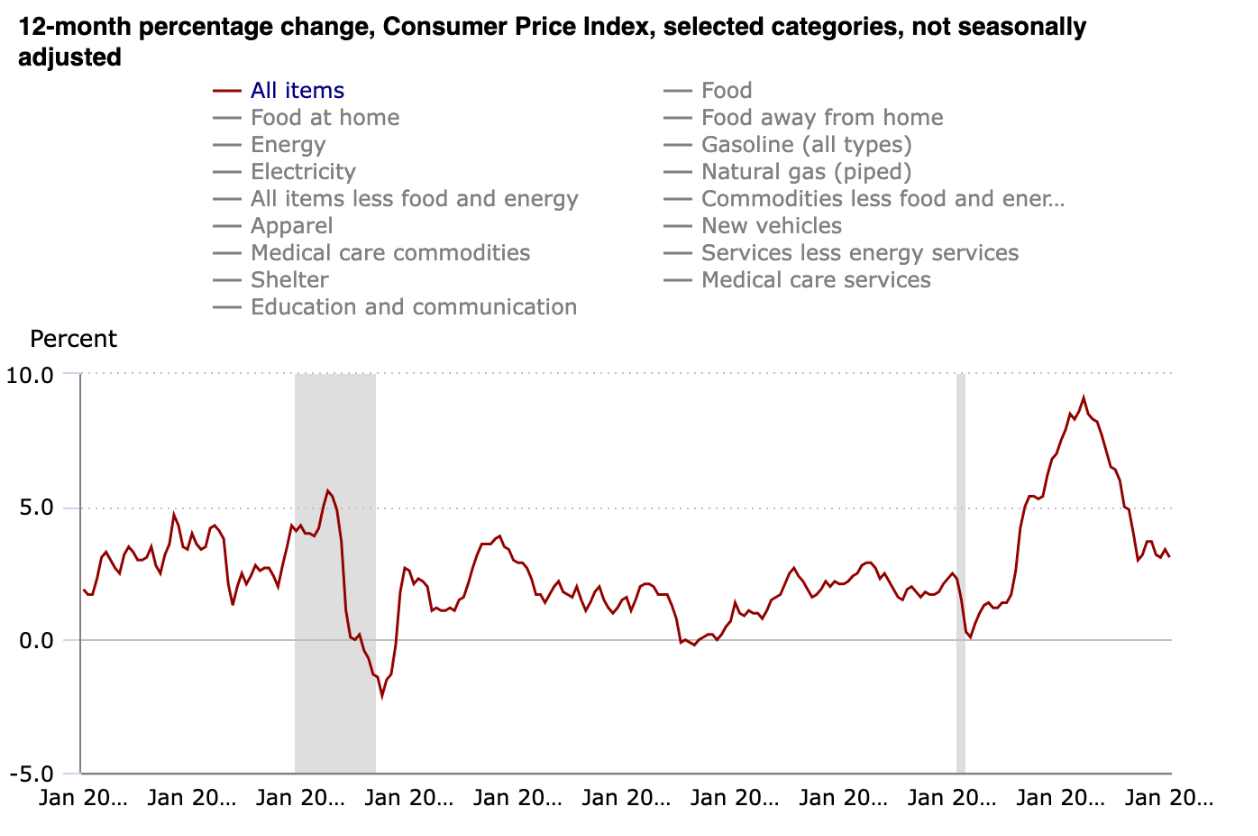
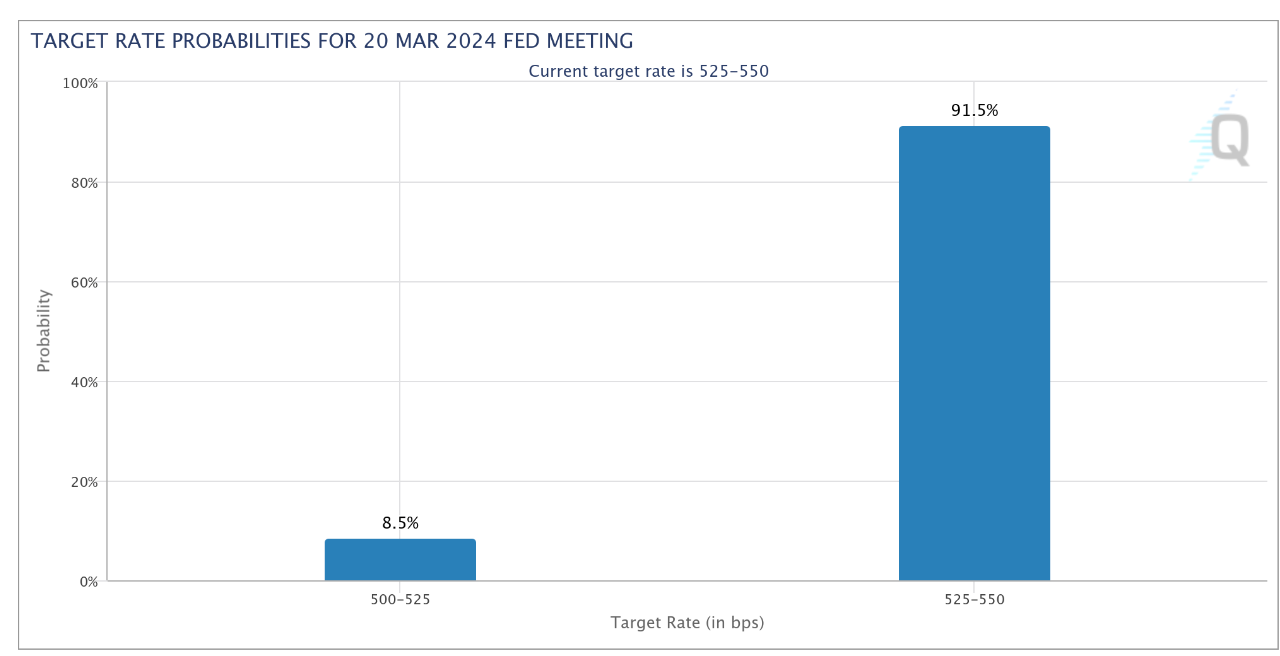
Markets immediately began reassessing the likelihood of the Federal Reserve cutting interest rates, shifting their timing from March to later in the year.
The latest data from CME Group’s FedWatch Tool put the odds of a March rate cut at just 8.5% at the time of writing versus 17.5% on Feb. 12.
“This inflation reading was much hotter than expected all around the board,” trading resource The Kobeissi Letter wrote in part of a reaction on X (formerly Twitter).
“Core CPI was expected to fall and it didn't while CPI inflation came in 20 bps above expectations. A March rate cut is likely gone.”
Kobeissi added that avoiding the premature rate cut, which would boost risk assets including crypto, was the Fed’s “top priority.”
The recommencing of inflows into the spot Bitcoin exchange-traded funds (ETFs) meanwhile did little to steady the ship for Bitcoin.
$49,000 remained out of reach at the time of writing, as the day’s outflows from the Grayscale Bitcoin Trust (GBTC) totaled around 2,400 BTC ($117 million), per data from crypto intelligence firm Arkham.
Uploading the numbers to X, popular trader Daan Crypto Trades nonetheless acknowledged positive trends persisting for ETF flows, these now absorbing the BTC supply around twelve times faster than new coins enter the market.
“$GBTC Outflows remain relatively low while the other ETFs are ramping up their buys more recently. Yesterday's ETF net flows saw another massive +$493M increase,” he wrote.
“This makes for $1.4B in net inflows during the past 3 trading days. We now have 12 consecutive positive days of net inflows.”
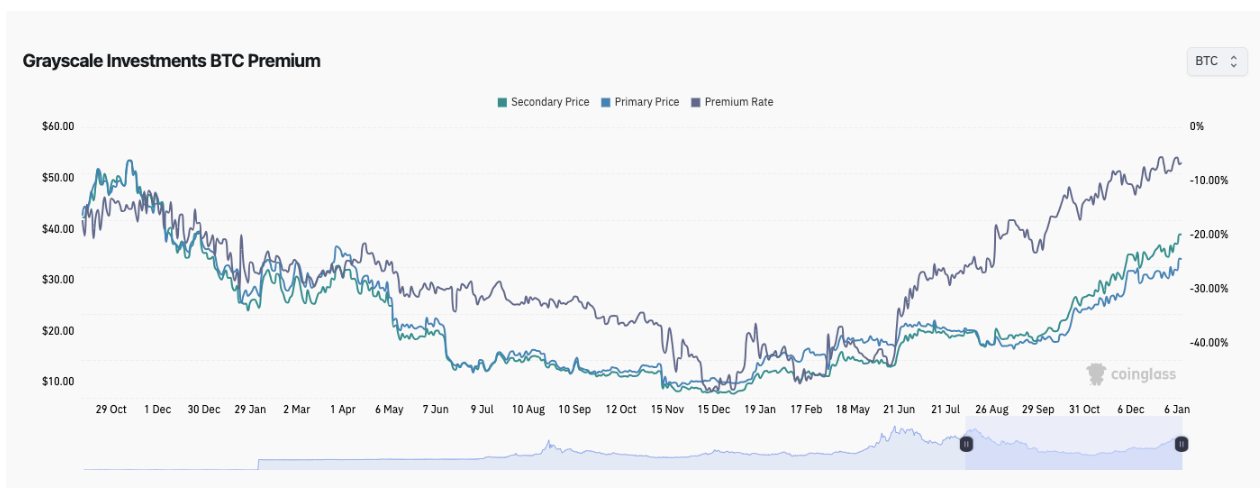
The difference between GBTC’s share price relative to Bitcoin — the so-called net asset value, or NAV — flipped positive for the first time in nearly three years last week.
This article does not contain investment advice or recommendations. Every investment and trading move involves risk, and readers should conduct their own research when making a decision.
Disclaimer: The content of this article solely reflects the author's opinion and does not represent the platform in any capacity. This article is not intended to serve as a reference for making investment decisions.
Goldman Sachs Identifies Key Trend Lines; Nasdaq's Last Line of Defense Is in Jeopardy
The Nasdaq 100 Index has declined for four consecutive weeks and is currently testing a key trend line connecting the 2025 and 2026 lows at 26,630 points. Despite strong third-quarter earnings, heightened risk aversion and surging panic indicators have led investors to factor in potential slowdown expectations for 2028, causing stock prices to continue falling. With significant outflows of foreign capital and sharp valuation divergences, the market is awaiting the test of this week's CPI data and chip giant earnings reports.

Goldman Sachs backs Oracle (ORCL.US): AI financing concerns may be exaggerated; risks of ongoing projects are controllable
Goldman Sachs maintains a "Buy" rating for Oracle with a 12-month target price of $206.

Why Are Bitcoin and US Stock Market Falling? Will the Sell-Off Continue This Week?
Midterm elections expose market vulnerability! AI trading faces rigorous scrutiny, U.S. stock earnings expectations may undergo major adjustments
The results of the US midterm elections and the subsequent market crash have exposed the vulnerability caused by the market’s excessive concentration of bets on artificial intelligence (AI). Investors may need to readjust their expectations for investment returns.